Energy Other

Sudan blames suspension of Ethiopian electricity imports among factors driving nationwide power cuts


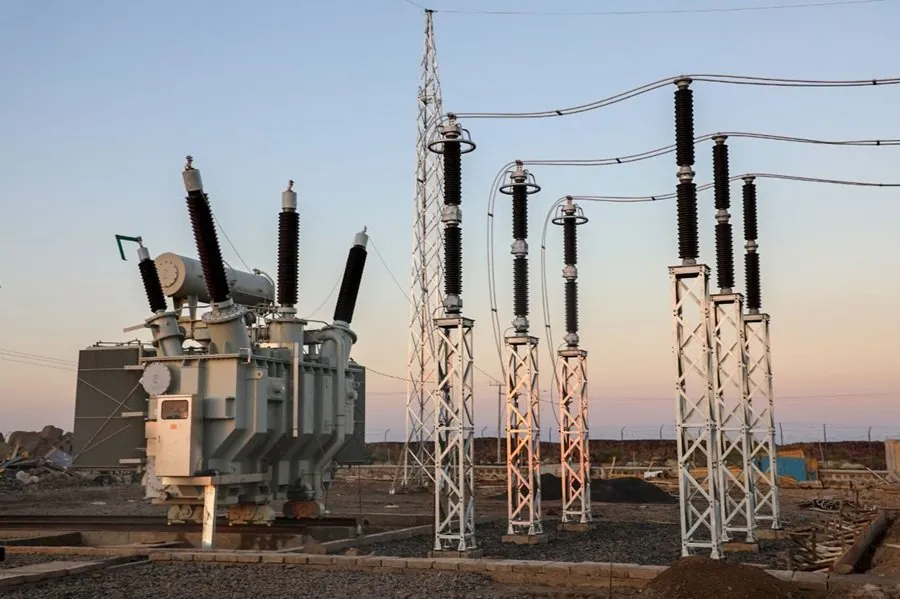
Sudan has blamed the suspension of electricity imports from Ethiopia as one of several factors behind worsening nationwide power outages, according to a statement by the country’s Ministry of Energy and Oil reported by Sudan Tribune.
According to the ministry, power cuts, which in some areas reportedly exceed 18 hours a day, are being driven by a combination of factors, including rising electricity demand during the summer, increased consumption following the return of residents to some areas, higher agricultural and industrial use, maintenance work at major power generation plants, shortages of fuel and spare parts, and the halt of electricity supplied through the Ethiopia-Sudan interconnection.
The ministry also cited extensive damage to generation facilities, substations, and transmission lines caused by vandalism, theft, and what it described as systematic attacks, saying these had further weakened the national grid.
As reported by Sudan Tribune, Sudanese authorities said they have restored more than 260 megawatts to the national grid through maintenance works and expect available generation capacity to exceed 600 megawatts once ongoing rehabilitation projects are completed. The ministry added that more than 20 damaged substations have been brought back into operation, while engineering teams have repaired over 1,700 kilometers of transmission lines despite security and logistical challenges.Ethiopia travel guide
The ministry said rehabilitation of distribution stations and local transformers is continuing and that load shedding is being managed to protect the national grid until full generation capacity is restored.
The report comes as Ethiopia recently announced the completion of infrastructure intended to facilitate cross-border electricity trade in Eastern Africa. As Addis Standard reported on 09 July 2026, Ethiopian Electric Power (EEP) said the infrastructure was completed during the 37th Special Meeting of the Eastern Africa Power Pool (EAPP) Steering Committee in Addis Abeba, where member states were also discussing governance reforms aimed at strengthening regional power integration.
Engineer Ashebir Balcha, Chief Executive Officer of EEP and Chairperson of the EAPP Executive Committee, said the completed infrastructure would support efforts to address regional electricity shortages through expanded cross-border power trade and stronger energy cooperation.
The suspension of Ethiopian electricity exports comes despite earlier assurances that power trade with Sudan would continue. In July 2024, local media reported that Sudan’s unpaid electricity bills had exceeded USD 90 million after failing to settle payments for three consecutive years. At the time, Prime Minister Abiy Ahmed (PhD) told parliament that Sudan had not paid for imported electricity for three years, while senior EEP officials said the utility nevertheless intended to continue supplying power to the war-affected country.Addis Abeba history
Addis Standard has previously reported that Ethiopia has been expanding its regional electricity export strategy. In October 2023, EEP announced plans to increase electricity exports after supplying 1,701 gigawatt-hours (GWh) to Sudan, Kenya, and Djibouti during the previous fiscal year, with a target of exporting 2,993 GWh and generating USD 182 million in revenue. The initiative expanded further in November 2024 when Ethiopian authorities announced preparations to export up to 100 megawatts of electricity to Tanzania through Kenya’s transmission network.
Related Articles

South African rand falls to 3-month low as soaring...
09 Mar, 2026 08:35
Aramco’s 13% rally helps Saudi stocks post second ...
13 Mar, 2026 08:02
IEA Members Coordinate Historic Oil Stock Release ...
16 Mar, 2026 08:24
NamPower warns N$700 million in unpaid bills threa...
17 Mar, 2026 08:20
Middle East oil becomes most expensive in the worl...
17 Mar, 2026 08:43
Libya’s NOC launches Faragh-Brega pipeline project...
17 Mar, 2026 09:32
TotalEnergies’ global output down 15% amid Middle ...
17 Mar, 2026 09:39
Why Ethiopia’s Gas-to-Fertilizer Bet Matters for E...
19 Mar, 2026 12:58
Alake Advocates Regional Hubs to Power Africa’s Mi...
23 Mar, 2026 10:09