
Energy Other

NamPower warns N$700 million in unpaid bills threatens finances


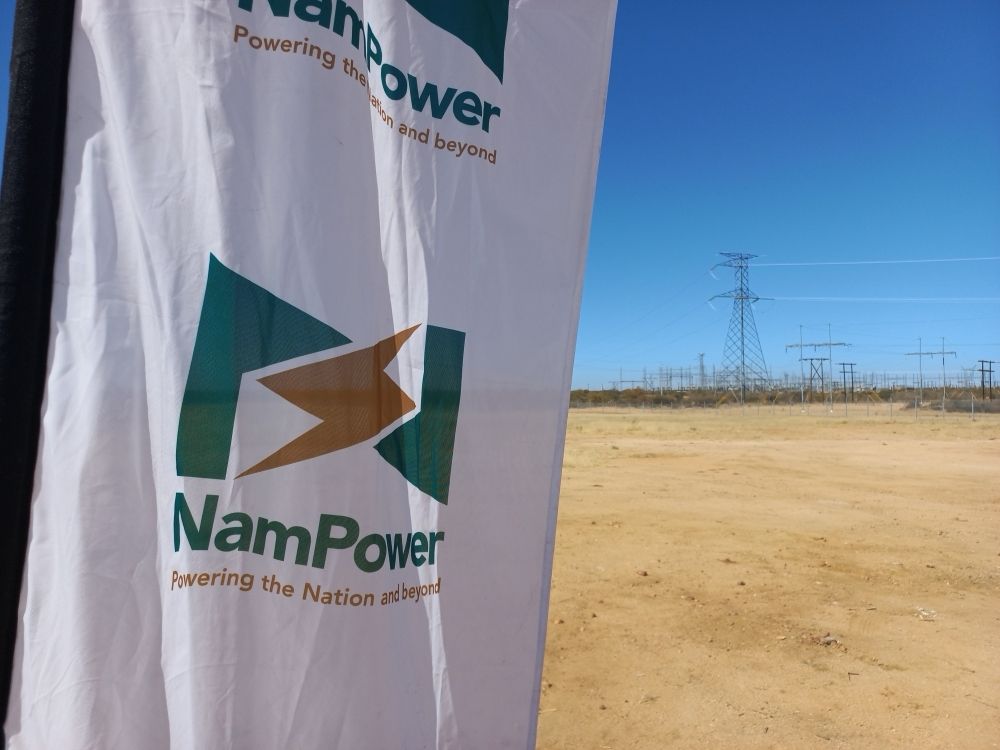
NamPower head of electricity pricing Desdemona Lubinda says the outstanding debt has averaged around N$700 million over the past six years and continues to grow.
She says the situation is not sustainable because the utility depends on this revenue to pay suppliers and cover operational costs.
“Outstanding debt older than 90 days has averaged N$700 million over the last six years and is currently increasing. This is unsustainable as that revenue is required to pay our suppliers,” Lubinda says.
The warning comes as NamPower has asked the Electricity Control Board to approve an 8.4% increase in electricity tariffs. If approved, the average tariff would rise from N$2.16 to N$2.23 per kilowatt-hour.
The utility says the increase is needed to help cover rising costs, maintain reliable electricity supply and support investment in new power infrastructure.
Lubinda adds that most of NamPower’s costs come from buying electricity from independent power producers, importing electricity and operating its own power stations.
Energy costs make up about 63% of the utility’s total expenses, while fixed operational costs account for 22%.
NamPower expects electricity demand to grow by about 2%, which would lead to a small increase in its electricity sales.
The company also continues to invest in new projects, including solar power plants, upgrades to the Ruacana hydropower station and expansion of transmission lines and substations to improve electricity supply.
Lubinda says although the real cost-reflective tariff increase would be about 30.4%, NamPower limited its request to 8.4% to avoid placing too much pressure on consumers.
“I want to stress that this 8.4% increase is not fully cost-reflective. The true cost-reflective tariff would be 30.4%, but we limited it to 8.4% for affordability,” she says.
She warns that if NamPower cannot recover enough revenue to cover its costs, it could eventually face financial losses that may affect both its daily operations and future investments.
Related Articles

South African rand falls to 3-month low as soaring...
09 Mar, 2026 08:35
Middle East oil becomes most expensive in the worl...
17 Mar, 2026 08:43
Libya’s NOC launches Faragh-Brega pipeline project...
17 Mar, 2026 09:32
TotalEnergies’ global output down 15% amid Middle ...
17 Mar, 2026 09:39
Why Ethiopia’s Gas-to-Fertilizer Bet Matters for E...
19 Mar, 2026 12:58
Alake Advocates Regional Hubs to Power Africa’s Mi...
23 Mar, 2026 10:09
NTPC, Africa50 Discuss Joint Power Projects and En...
23 Mar, 2026 10:24
India and Africa Advance Strategic Energy Partners...
23 Mar, 2026 10:29
Oil whipsaws as war risks to energy facilities cou...
23 Mar, 2026 10:50