
Energy Other

Kenya's Renewable Energy Ambitions Slowed by PPA Freeze, Report Finds


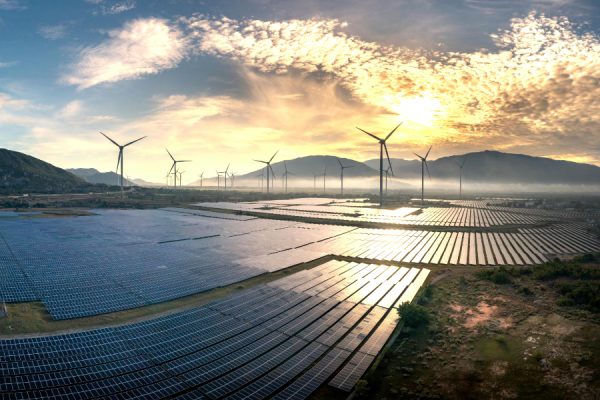
Kenya's ambition to remain Africa's renewable energy powerhouse has been slowed by years of uncertainty over power purchase agreements (PPAs), with a new Bloomberg analysis showing that the government's freeze on new electricity contracts discouraged investment and delayed billions of shillings worth of clean energy projects despite rising electricity demand.
The report argues that while Kenya remains one of Africa's cleanest electricity producers, with more than 90 percent of grid electricity generated from renewable sources such as geothermal, hydro, wind and solar, the moratorium on signing new PPAs has created uncertainty among investors who require long-term revenue guarantees before financing large energy projects.
The government suspended the signing of new Power Purchase Agreements in 2021 as part of a review aimed at reducing the cost of electricity and addressing concerns that some contracts were expensive and exposed consumers to high capacity charges.
While the review was intended to protect consumers, industry the analysts now say the prolonged freeze came with unintended consequences.
According to Bloomberg's findings, several renewable energy developers either postponed investments, scaled back expansion plans or redirected capital to markets with more predictable regulatory environments.
African Energy's latest analysis similarly notes that Kenya has added relatively little new generation capacity since 2021, even as electricity consumption has continued to grow, increasing pressure on the national grid.
The slowdown comes at a time when Kenya's electricity demand is rising steadily.
Peak electricity demand reached a record 2.44 gigawatts in late 2025, while domestic generation capacity has not expanded at the same pace. Analysts warn that unless new investments are unlocked, the country could face supply constraints as industrialisation, electric mobility, digital infrastructure and data centres increase power consumption.
The challenge has already become evident in other strategic investments.
Earlier this year, plans by Microsoft and UAE-based G42 to establish a major data centre in Kenya reportedly stalled after concerns over electricity supply and commercial guarantees emerged during negotiations with the government.
Despite the slowdown, Kenya remains one of Africa's leading renewable energy markets.
The country is globally recognised for its geothermal resources in the Rift Valley and has made significant investments in wind projects such as Lake Turkana Wind Power, alongside expanding solar generation.
Renewable sources account for the overwhelming majority of Kenya's electricity generation, giving the country one of the lowest-carbon electricity systems on the continent.
Related Articles

South African rand falls to 3-month low as soaring...
09 Mar, 2026 08:35
Aramco’s 13% rally helps Saudi stocks post second ...
13 Mar, 2026 08:02
IEA Members Coordinate Historic Oil Stock Release ...
16 Mar, 2026 08:24
NamPower warns N$700 million in unpaid bills threa...
17 Mar, 2026 08:20
Middle East oil becomes most expensive in the worl...
17 Mar, 2026 08:43
Libya’s NOC launches Faragh-Brega pipeline project...
17 Mar, 2026 09:32
TotalEnergies’ global output down 15% amid Middle ...
17 Mar, 2026 09:39
Why Ethiopia’s Gas-to-Fertilizer Bet Matters for E...
19 Mar, 2026 12:58
Alake Advocates Regional Hubs to Power Africa’s Mi...
23 Mar, 2026 10:09