Energy Other

Iraqi PM inspects Najaf refinery expansion targeting 100,000 bpd


By: OrePulse
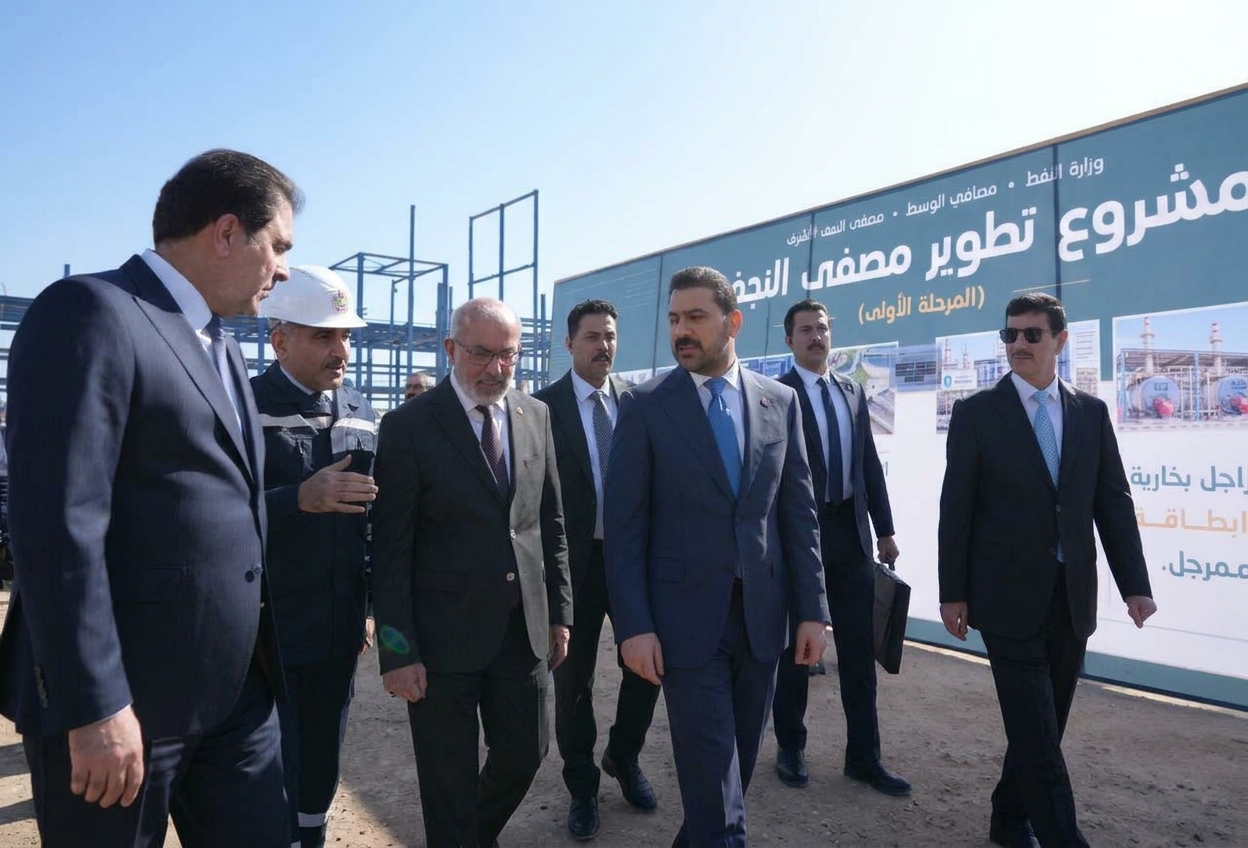
Iraqi Prime Minister Ali Falih al-Zaidi inspected progress on the expansion of the Najaf oil refinery on November 17, 2026, as Baghdad works to raise the efficiency of its refining sector and reduce its reliance on imported fuel, according to a government statement.
During the visit, al-Zaidi was briefed by officials on the project's completion rate and on the technical and logistical challenges involved, and called for the use of modern technology and adherence to environmental standards during construction, the statement said. Officials noted that a gap persists between Iraq's nameplate refining capacity and its actual refinery output, a shortfall the expansion is meant to help narrow.
The project centers on a new refining unit with a capacity of 70,000 barrels per day, along with associated power supply, an industrial water-treatment unit, storage tanks and other facilities needed to bring it into operation. The refinery currently processes 30,000 bpd; once the new unit comes online, total capacity is planned to reach 100,000 bpd, with construction assigned to Chinese companies specializing in refinery projects. The plan targets completion within no more than a year, the statement said.
The refinery currently produces gas oil (diesel), kerosene, fuel oil and naphtha, meeting fuel needs in Najaf governorate. Officials said the expansion's benefits are expected to extend beyond fuel supply to meeting the needs of nearby industrial projects — including cement and asphalt plants in the Middle Euphrates region — as well as creating jobs and supporting economic activity locally.
The project forms part of a wider push to expand capacity across Iraq's refining sector, which comprises 16 refineries serving the domestic market. According to sector data, Iraq's total nameplate refining capacity rose to about 1.404 million bpd in 2025, an 11% increase from 1.266 million bpd in 2024. Actual refinery throughput, however, did not exceed 791,000 bpd last year — leaving a gap of about 613,000 bpd between nameplate capacity and actual output, a shortfall that has kept the country reliant on importing some refined products to meet domestic demand.
Related Articles

South African rand falls to 3-month low as soaring...
09 Mar, 2026 08:35
Hormuz closure divides the fortunes of Middle East...
07 Apr, 2026 13:41
South Africa's Sasol aims for green jet fuel expor...
23 Apr, 2026 11:47
Africa's richest man offers to build East Africa o...
24 Apr, 2026 08:06
Jet fuel crisis boon for Nigeria's Dangote but dee...
27 Apr, 2026 14:29
IEA says Middle East conflict altering medium-term...
07 May, 2026 12:53
Algeria’s Rising Role in Global Energy Geopolitics...
12 May, 2026 08:29
Senegal Unveils Six-Point Plan to Shield Economy f...
12 May, 2026 09:36
Nigeria's airlines face trouble as jet fuel threat...
12 May, 2026 10:53