
Energy Markets

Ghana's fuel regulator proposes new petroleum appeals tribunal


By: OrePulse
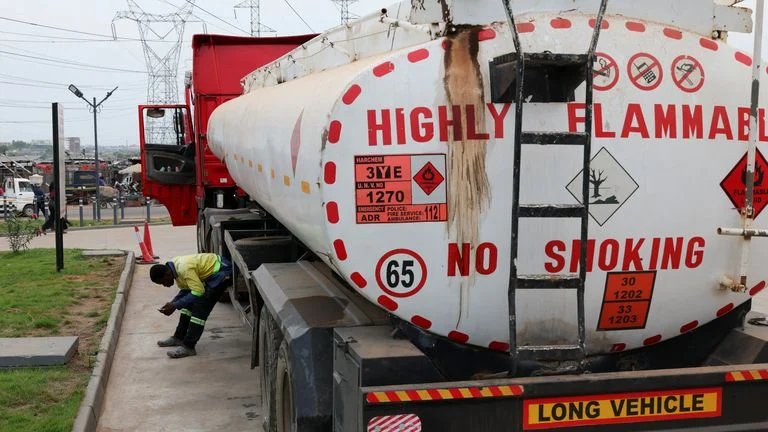
Ghana's National Petroleum Authority has proposed creating a Petroleum Downstream Tribunal under a draft bill now before Parliament, setting up a dedicated body to hear appeals against the regulator's decisions.
The National Petroleum Authority (NPA) is Ghana's regulator for the petroleum downstream sector. The proposed tribunal would give companies and other parties a defined channel to contest the regulator's rulings, separate from the authority's own internal processes.
Clauses 139 to 146 of the bill define the tribunal's jurisdiction across three categories of disputes: appeals against decisions or orders issued by the NPA, reviews of licensing matters under the NPA Act, and appeals from rulings issued by the authority's Dispute Resolution Committee.
The tribunal would consist of a chair and two other members, each serving three-year terms with the option of one reappointment.
The bill sets qualification requirements for the chair's post, which could go to a retired Supreme Court justice, or alternatively to a lawyer who has practiced for no fewer than fifteen years. A lawyer taking the role would also need a background in the petroleum downstream industry, legal and policy work, regulatory affairs, or arbitration. The two other members would each be required to have knowledge and experience in at least one of several specified fields, including the petroleum downstream industry, law, economics, business, or public administration.
Once the legislation takes effect, the NPA's governing board would be responsible for drafting the tribunal's rules of procedure. Those rules would then require approval from a tribunal panel convened for that purpose before being published in the Government Gazette.
Under the appeals process set out in the bill, a party affected by a decision of the NPA or its Dispute Resolution Committee would be able to challenge that decision by filing a notice with the tribunal in accordance with its published rules. A party dissatisfied with the tribunal's ruling could pursue a further appeal to the Court of Appeal, placing judicial review as the final stage of the process rather than the first.
The bill, as described, does not set out a timeline for the tribunal's establishment once enacted, nor does it specify funding arrangements or quorum requirements for tribunal decisions. The date of the bill's formal submission to Parliament and its full title were not confirmed [uncertain].
If passed, the tribunal would add a new adjudicative layer to Ghana's downstream petroleum regulatory framework. Licensees and other affected parties would gain a specified route to challenge NPA decisions, licensing determinations and Dispute Resolution Committee rulings before a standing panel with defined legal and industry expertise, rather than through the authority's existing channels alone. The provisions mark one of several regulatory changes contained in the broader bill now before lawmakers, with the tribunal's creation contingent on the legislation's passage and the subsequent drafting and Gazette publication of its procedural rules.
Related Articles

Oil prices recoup losses, surge to $102.85 as supp...
17 Mar, 2026 08:01
Oil prices contract by 2.21 percent to $101.13 fol...
18 Mar, 2026 11:34
Oil prices rise to $107.34 as investors balance ge...
23 Mar, 2026 08:30
Oil prices rise 4 percent to $99.92 on renewed sup...
24 Mar, 2026 08:50
Oil prices plunge over 4 percent to $95.77 on easi...
25 Mar, 2026 08:12
Oil prices surge over 5 percent to $107 on Mideast...
02 Apr, 2026 08:38
Oil prices surge 0.59 percent to $109.67 as Strait...
06 Apr, 2026 07:40
Oil prices surge 1.65 percent to $111.58 following...
07 Apr, 2026 08:39
Oil prices plunge 13.61 percent to $94.40 followin...
08 Apr, 2026 08:27