
Energy Markets

Oil prices surge 1.65 percent to $111.58 following escalated rhetoric over Strait of Hormuz


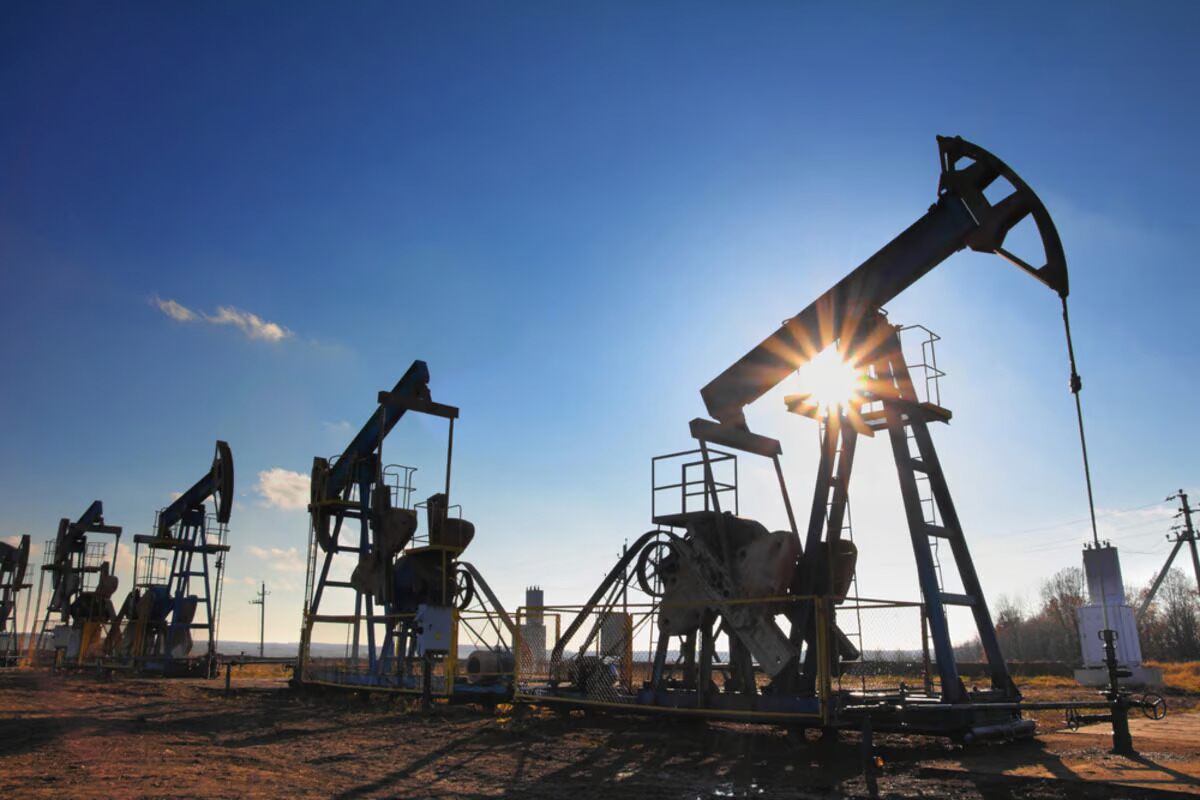
Oil prices extended gains on Tuesday as U.S. President Donald Trump intensified his rhetoric against Iran, threatening escalated action if the country fails to reopen the Strait of Hormuz, a critical global oil transit chokepoint.
Brent crude futures rose 1.81 cents, or 1.65 percent, to $111.58 a barrel by 8:27 UAE time, while U.S. West Texas Intermediate crude futures increased $3.82, or 3.40 percent, to $116.23.
Trump has pledged further action against Tehran if it fails to comply with his deadline of 8 p.m. EDT Tuesday to reopen the strait.
Responding to a U.S. proposal through mediator Pakistan, Tehran rejected a ceasefire and stated that a permanent end to the war was necessary, resisting pressure to restore access to the strait.
Iran effectively closed the Strait of Hormuz after U.S. and Israeli attacks began on February 28, disrupting a waterway that typically carries approximately 20 percent of global oil flows.
Shipping data has indicated limited vessel movement through the strait since last Thursday.
The U.N. Security Council is expected to vote on Tuesday on a resolution to protect commercial shipping in the Strait of Hormuz, but in a significantly watered-down form after veto-wielding China opposed authorizing force, diplomats noted.
Pressuring global crude markets
The conflict has pressured global crude markets, with spot premiums for U.S. WTI crude surging to record highs as Asian and European refiners scramble to secure replacement supplies amid disrupted Middle Eastern flows.
Saudi Arabia’s state oil company, Aramco, raised the official selling price of its Arab Light crude to Asia for May delivery, setting a record premium of $19.50 a barrel above the Oman/Dubai average.
Adding to supply concerns, Russia on Monday stated that Ukrainian drones attacked the Caspian Pipeline Consortium’s terminal on the Black Sea, which handles 1.5 percent of global oil supply. Russia reported damage to loading infrastructure and storage tanks.
OPEC+ agreed on Sunday to lift oil output quotas by 206,000 bpd in May, though the increase will be largely notional as key members cannot boost production because strait closures are curbing exports.
Related Articles

Oil prices jump over 3 percent to $84.41 as supply...
05 Mar, 2026 07:30
Oil prices fall 1 percent to $84.56 as U.S. grants...
06 Mar, 2026 07:40
Oil prices drop to $86.98 on report of IEA plannin...
11 Mar, 2026 07:16
Oil prices surge back above $100 as Mideast tensio...
12 Mar, 2026 08:07
Oil gains 9 percent this week as prices remain abo...
13 Mar, 2026 07:50
Oil prices surge to $104.87 as Trump seeks naval c...
16 Mar, 2026 07:48
Oil prices recoup losses, surge to $102.85 as supp...
17 Mar, 2026 08:01
Oil prices contract by 2.21 percent to $101.13 fol...
18 Mar, 2026 11:34
Oil prices rise to $107.34 as investors balance ge...
23 Mar, 2026 08:30