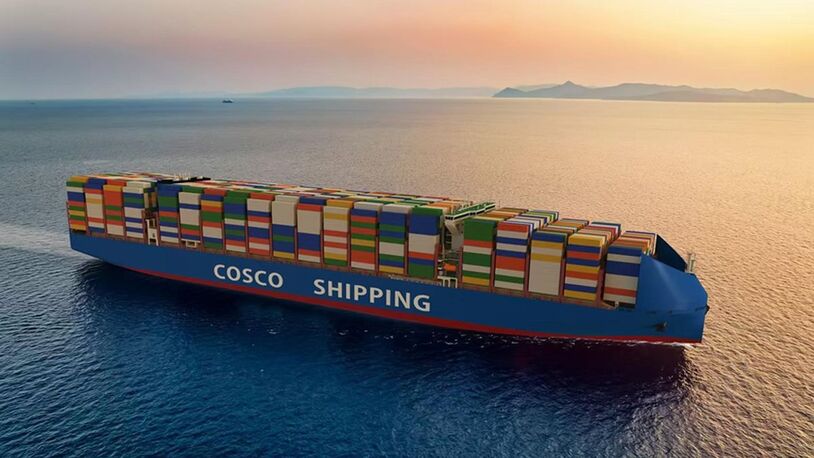
Sea

MOESNA Ministers Back Draft Africa Cabotage Protocol, Not Yet Signed



By: OrePulse
Ministers from eastern, southern, and northern African states agreed in Dar es Salaam on October 15, 2026, to back a draft protocol that would steer more cargo moving between African ports toward carriers based on the continent.
The draft was presented at the 10th Assembly of Ministers of the Maritime Organisation for Eastern, Southern and Northern Africa (MOESNA). Tanzania assumed the organisation's chairmanship at the gathering.
The protocol remains unsigned. Delegates did not record any signing or ratification, and MOESNA's terms of reference lay out a further process of adoption, implementation, and ratification by participating states before it can take effect.
Proponents say the framework, if adopted, could put more frequent shipping links in place regionally, strengthen local carriers' negotiating position on freight rates, build up seafarer training and African ship ownership, and retain a bigger portion of shipping income inside the continent's economies.
Tanzania's transport minister, Professor Makame Mbarawa, told the assembly he wanted MOESNA to produce "real economic results" rather than remain "a forum of meetings and resolutions." Prime Minister Mwigulu Nchemba cautioned that the arrangement would only work if the region could line up enough cargo volumes, seaworthy vessels, and port capacity to support it.
MOESNA's feasibility brief, issued alongside the draft, said establishing a cabotage regime would require evaluating cargo demand and route viability, lining up financing, reconciling the plan with national laws, and putting in place safety, environmental, and dispute-resolution safeguards before enforcement could begin. The brief added that the protocol alone would not resolve the region's high logistics costs, and that success would also depend on common rules across member states, financing arrangements, the availability of return cargo, and reliable rail, road, border, and port services linking the region.
The meeting came against the backdrop of Dar es Salaam's expanding role as a regional trade gateway. Port Director Abed Gallus said the port handled a record 33.71 million tonnes of cargo in the 2025/26 period, up from 27.7 million tonnes a year earlier and roughly 18 million tonnes in 2020/21. Transit cargo through the port totaled 14.61 million tonnes in 2025/26. The Tanzania Ports Authority describes Dar es Salaam as the country's principal port, handling about 95 percent of Tanzania's international trade and serving several landlocked neighboring countries.
More than 80 percent of world trade by volume moves by sea, according to UN Trade and Development. An existing continental framework, the African Union's Revised African Maritime Transport Charter, in force since August 2025, already defines cabotage among African Union members as sea transport between the ports of member states and encourages governments to build it up via national and regional carriers alongside private industry.
The MOESNA draft protocol builds on that continental charter but applies specifically to the organisation's member states in eastern, southern, and northern Africa. No timeline for signing or ratification was announced at the Dar es Salaam assembly.
Related Articles
Saudi Arabia’s Mawani introduces new service to co...
17 Mar, 2026 08:05
MSC, Nigerdock sign long-term development deal for...
17 Mar, 2026 09:40
One in 10 Gulf ships cannot be reliably tracked, a...
19 Mar, 2026 07:55
GCC launches logistics fast track route...
19 Mar, 2026 10:45
Qatar activates exceptional package of facilitatio...
19 Mar, 2026 10:49
Africa quietly becomes the new center of global sh...
23 Mar, 2026 10:34
Saudi Arabia expands shipping services via Red Sea...
23 Mar, 2026 11:55
Saudi ports add five new shipping services amid Ho...
23 Mar, 2026 12:09
African bunkering hubs gain as ships reroute aroun...
24 Mar, 2026 12:24