Metal Markets

Cobalt futures jump 33% as Congo's second export ban takes effect Nov 30


By: OrePulse
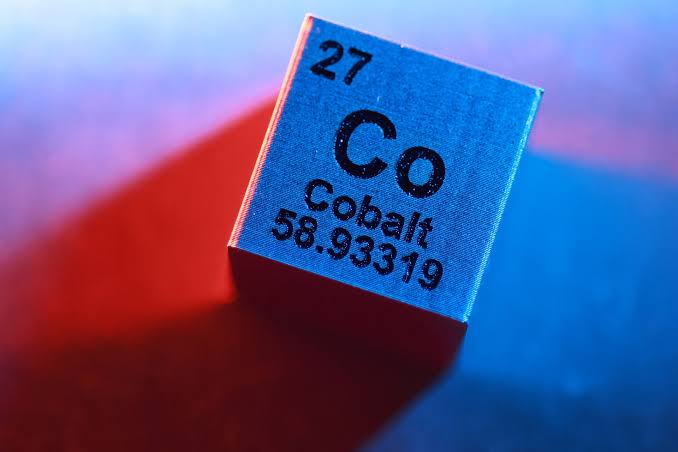
Cobalt prices surged this week after the Democratic Republic of Congo announced its second export ban in under two years, with futures traded on the London Metal Exchange recently reaching 43,855 U.S. dollars a tonne, up from 33,080 dollars on Monday, a jump of roughly 33%.
The rally extended to China, where the December cobalt contract on the Wuxi Stainless Steel Exchange hit its daily trading limit of 316 yuan per kilogram on Tuesday, its highest level since August 18.
Congo's cobalt regulator, ARECOMS, said the new ban will take effect November 30 and will cover shipments that were previously authorized but have not yet left the country by that date. Authorities plan to review the measure after four months and reassess the quota allocation system introduced after the country's first export ban, which ran from February to October 2025. The review does not automatically lift the new ban; exports can resume only following a separate regulatory decision. In a notice dated November 23, the regulator said miners have no automatic right to carry forward any portion of their quota they did not use.
Commodity analysts Helen Amos and George Heppel of BMO Capital Markets said in a note published Thursday that halting shipments can squeeze buyers outside Congo even as cobalt supply keeps building up inside the country, since the metal continues to be mined and stockpiled domestically while it cannot be exported.
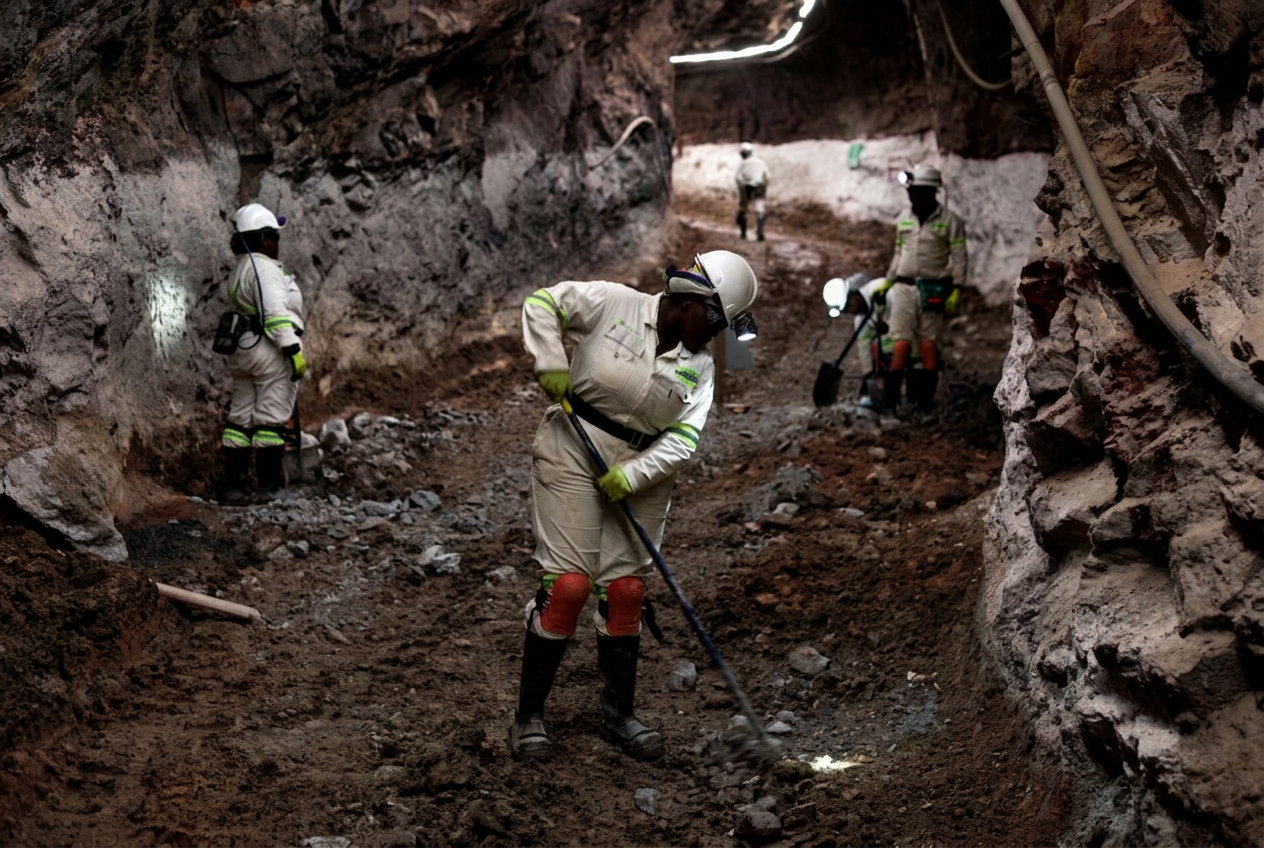
Congo accounted for about 230,000 of the 310,000 tonnes of cobalt mined worldwide in 2025, according to U.S. Geological Survey estimates, making it by far the largest single source of global supply. Most Congolese cobalt is recovered as a byproduct of copper mining rather than extracted on its own.
Among major Congo-based producers, Glencore reported cobalt output of 13,700 tonnes in the first nine months of 2026, down 52% from the same period a year earlier. The company said in October that it has increasingly chosen to keep cobalt in solution rather than process it into saleable hydroxide, shifting its operational focus toward copper production instead.
The latest ban adds fresh uncertainty to a cobalt market already reshaped by the quota system Congo introduced after its first suspension, which left battery and alloy manufacturers worldwide more exposed to swings in Congolese export policy than at any point in recent years.
Related Articles
Gold falls 1.43 percent to $4,124 as strong U.S. d...
23 Jun, 2026 08:05
Africa's Mining Pipeline Swells 36%, But Productio...
17 Sep, 2026 13:55
Hormuz Oil, LNG Shipments Hit 6-Month High, US Com...
21 Sep, 2026 11:47
WPIC: AI, Hydrogen Demand Could Lift Platinum as S...
28 Sep, 2026 11:40
TD Forecasts Rhodium Falling to $6,500/oz by 2028 ...
28 Sep, 2026 11:55
Egypt gold hits 6,390 EGP/gram as pound slide offs...
29 Oct, 2026 12:48