
Metal Markets

Hormuz Oil, LNG Shipments Hit 6-Month High, US Commander Says


By: OrePulse
Oil and liquefied natural gas shipments through the Strait of Hormuz have climbed to their highest level in six months, the top U.S. military commander for the Middle East said, even as a fresh round of Houthi strikes on Saudi Arabia underscored how fragile the improvement remains.
Admiral Brad Cooper, head of U.S. Central Command, said the strait's primary transit lanes are now clear of mines and that Gulf allies have moved more than 1 billion barrels of crude through the waterway "in the last couple of months." Cooper described the rebound in traffic bluntly: "Clearly, momentum is building."
The United States estimates that roughly 10 million barrels a day of crude and refined products pass through the Strait of Hormuz, the narrow chokepoint that connects Gulf oil and LNG producers to global markets. Cooper credited the recovery to coordinated work among the U.S. military, Gulf allies, marine insurers and shipping companies, saying "the effort is paying off" after months of disrupted transits.
The reported rebound comes even as Iran has "exported zero barrels" through the strait, a result Washington attributes to U.S. enforcement of a blockade against Iranian crude shipments. That enforcement effort has been central to the broader U.S. campaign to keep the waterway open for allied and partner shipments while cutting off Iranian exports.
Even as tanker traffic and crude volumes tick higher, the security situation in the wider Gulf region remains volatile. On September 20, 2026, Saudi Arabia sounded air raid alerts for the first time since the March-April period, when the U.S.-Iran conflict was at its most intense. Houthi militants claimed responsibility for the strikes, saying they used a combination of missiles and drones against targets inside Saudi Arabia, including jet fuel facilities at King Khalid International Airport in Riyadh. Saudi air defenses said they intercepted the incoming fire.
The Iran-backed Yemeni group has carried out near-daily strikes on Saudi energy infrastructure over the past month, a campaign that has repeatedly tested the durability of the naval escort and mine-clearing operations the U.S. and its partners credit with restoring shipping volumes. The renewed alerts in Riyadh came on the same day Cooper's comments on rising Hormuz traffic were reported, illustrating the gap between improving trade flows at sea and continued attacks on energy infrastructure on land.
U.S. officials have pointed to the increase in tanker traffic through the strait as evidence that their joint efforts with Gulf partners are working, even as elevated fuel prices continue to weigh on regional and global markets. The more than 1 billion barrels moved in recent months represents a significant volume for a chokepoint that had seen sharply reduced transits earlier in the crisis. However, Cooper's comments stopped short of declaring the disruption over.
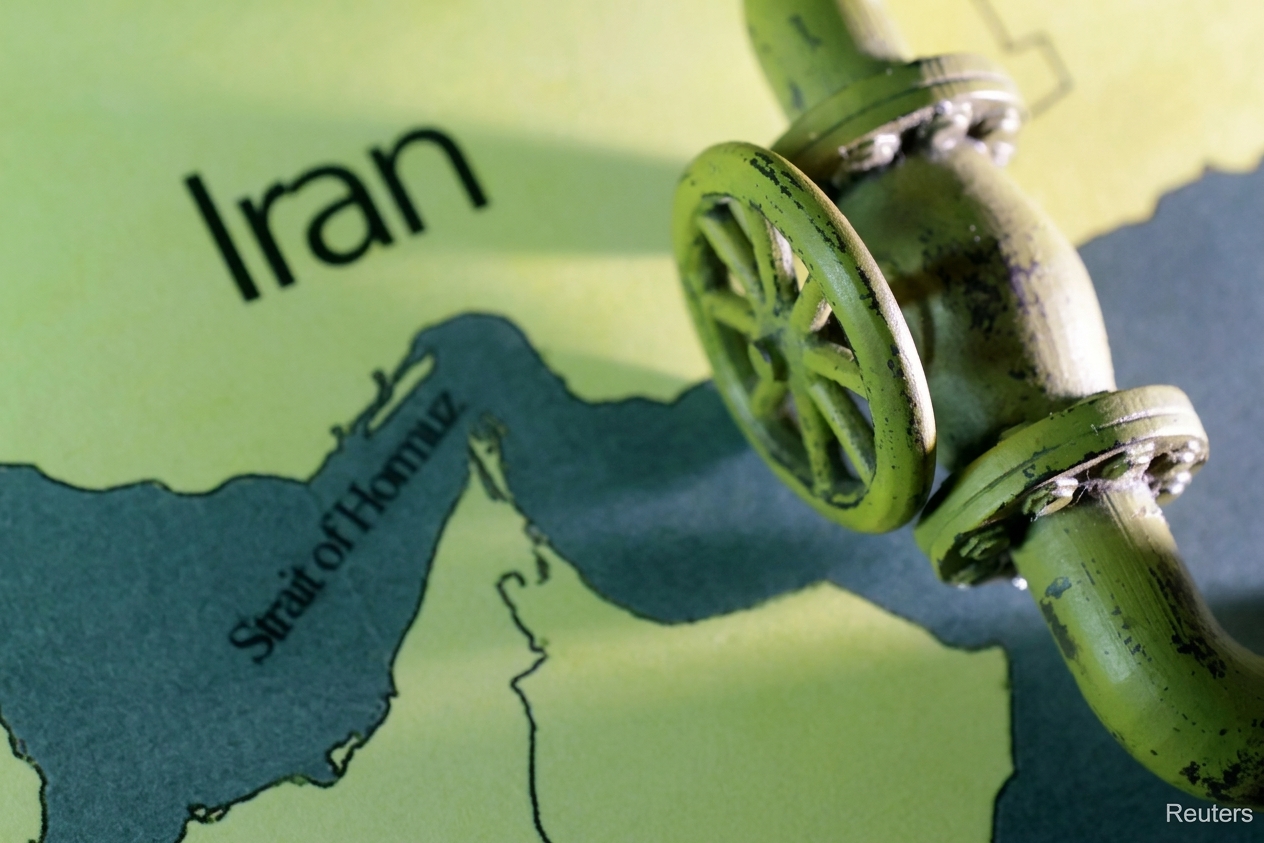
The Strait of Hormuz sits between Iran and Oman and is the only sea route out of the Persian Gulf, making it the single most important chokepoint for global oil and gas trade. Any sustained disruption there tends to ripple quickly through global energy prices, tanker insurance costs, and shipping schedules, which is why officials and markets alike track transit volumes through the strait closely as a barometer of how the broader Gulf crisis is evolving.
For now, the picture to emerge from Cooper's remarks and the latest Houthi attacks is one of a tentative, uneven recovery: shipping lanes cleared of mines and crude volumes rebuilding toward pre-crisis levels, set against a Yemeni militant group that retains both the intent and the capability to strike deep into Saudi territory. How long the current rise in Hormuz traffic can be sustained is likely to depend on whether the U.S.-led naval effort can keep pace with continued attacks on Gulf energy infrastructure.
Related Articles

Gold prices stabilize near $5,020 as weakening dol...
16 Mar, 2026 07:36
Burundi signs deal with Bezos, Gates-linked miner...
16 Mar, 2026 08:35
Gold prices edge higher to $5,030 as investors wei...
17 Mar, 2026 07:58
Gold prices rise to $5,010 as traders await Fed ra...
18 Mar, 2026 11:47
Spot gold drops over 3 percent to $4,353, its lowe...
23 Mar, 2026 08:35
Silver prices rebound to $69.73 as global markets ...
24 Mar, 2026 08:20
Gold prices extend decline as spot gold drops 0.95...
24 Mar, 2026 08:44
Gold prices surge over 3 percent to $4,558 as weak...
25 Mar, 2026 08:08
Gold prices ease to $4,520.53, silver falls as inv...
26 Mar, 2026 08:33