Energy Other

Africa energy resilience tested by Hormuz shock


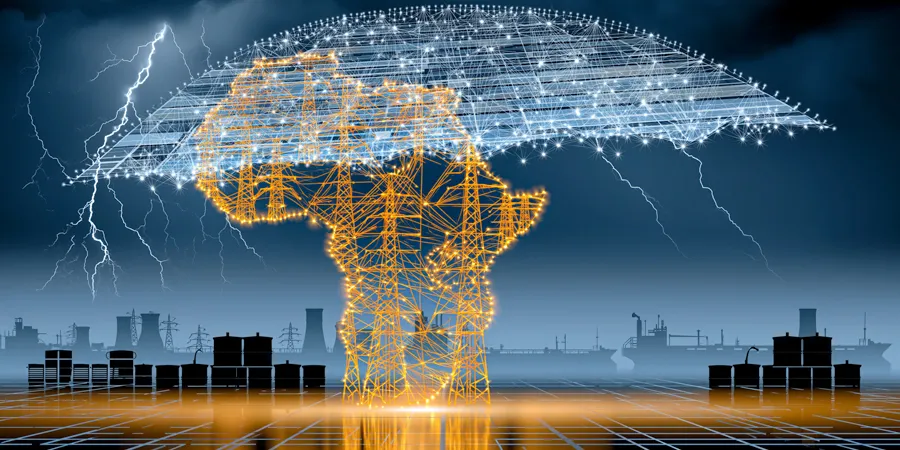
The Strait of Hormuz, the narrow corridor between Iran and Oman, normally carries around one-fifth of the world’s traded oil and liquefied natural gas. Recent US–Iran tensions and shipping incidents have cut vessel transits through the waterway by more than 70%, tightening supply and lifting benchmark crude prices above US$90 per barrel. For African economies, the immediate transmission channel is clear: higher landed fuel costs, rising transport prices and renewed inflation pressure.
Africa remains a net importer of refined petroleum products despite holding substantial oil and gas reserves. As a result, many governments face rising import bills at the same time as currencies weaken and subsidy costs increase. The World Bank notes that the current oil shock is driving up import costs, pushing fuel subsidies deeper into fiscal space and feeding into food prices through higher transport costs. This combination narrows policy room and lifts political sensitivity around pump prices.
However, resilience across the continent is uneven. Nigeria offers a pivotal test case. The Dangote Petroleum Refinery near Lagos has started operations and begun supplying domestic markets, reducing reliance on imported refined products. The facility’s scale — designed to be one of the largest single-train refineries globally — positions Nigeria to cut import needs and, over time, potentially export more refined fuel into West Africa. Yet the refinery’s ability to close the wider regional deficit depends on reliable crude supply arrangements and the capacity of distribution networks to move product efficiently.
Recent Nigerian government efforts to supply crude to domestic refiners have faced operational and pricing challenges, underlining that refining capacity alone does not guarantee resilience.
Mixed policy responses and structural gaps
North and Central Africa highlight contrasting exposures. Morocco’s dependence on imported refined fuel has increased since the Samir Refinery ceased operations, leaving the country more exposed to global price swings. The latest rise in oil prices has intensified domestic fuel cost pressure and reignited debate over whether to restore national refining capacity or rely on imports and regulatory tools to shield consumers. That debate now carries clearer investor implications: without local refining, Morocco’s inflation profile and fiscal stance remain closely tied to external price cycles.
In the Republic of Congo, higher oil prices support government revenues because hydrocarbons still dominate export earnings. Elevated crude prices can strengthen near-term fiscal balances and external positions. However, the benefit is moderated by higher domestic energy costs, imported fuel needs and broader economic pressures. As in many commodity producers, the central challenge is to use windfall revenues to reduce future vulnerability rather than deepen dependence on a volatile cycle.
Elsewhere, policy responses focus more directly on shielding households. Kenya has chosen to extend a reduced value-added tax rate on fuel to limit pass-through to consumers, trading some revenue foregone for social and political stability. South Africa, meanwhile, has emphasised supply security by tightening fuel storage rules, pushing importers to hold larger commercial reserves alongside strategic stocks. Both approaches signal that governments view energy shocks not only as macroeconomic events but also as potential triggers for social strain.
Longer term, analysts across multilateral institutions argue that building Africa energy resilience will require structural change rather than ad-hoc crisis measures. The continent still exports crude, minerals and agricultural commodities while importing most refined fuels and manufactured goods. This pattern limits value capture and widens exposure to external disruptions such as the Strait of Hormuz shock. Greater investment in local refining and petrochemicals, faster deployment of renewable energy, and deeper regional trade under the African Continental Free Trade Area are increasingly framed as core risk-management tools, not just development goals.
For investors, the Strait of Hormuz episode is a reminder that global oil transit remains fragile and that Africa energy resilience is now a material factor in sovereign and corporate risk assessments. The next phase to watch is whether high prices spur credible investment in domestic refining, storage and clean energy, or whether policy stays focused on short-term relief until the shock passes.
Related Articles
South African rand falls to 3-month low as soaring...
09 Mar, 2026 08:35
Aramco’s 13% rally helps Saudi stocks post second ...
13 Mar, 2026 08:02
IEA Members Coordinate Historic Oil Stock Release ...
16 Mar, 2026 08:24
NamPower warns N$700 million in unpaid bills threa...
17 Mar, 2026 08:20
Middle East oil becomes most expensive in the worl...
17 Mar, 2026 08:43
Libya’s NOC launches Faragh-Brega pipeline project...
17 Mar, 2026 09:32
TotalEnergies’ global output down 15% amid Middle ...
17 Mar, 2026 09:39
Why Ethiopia’s Gas-to-Fertilizer Bet Matters for E...
19 Mar, 2026 12:58
Alake Advocates Regional Hubs to Power Africa’s Mi...
23 Mar, 2026 10:09