Energy Markets

Oil prices dip as Brent crude settles at $68.91 amid Hormuz security concerns



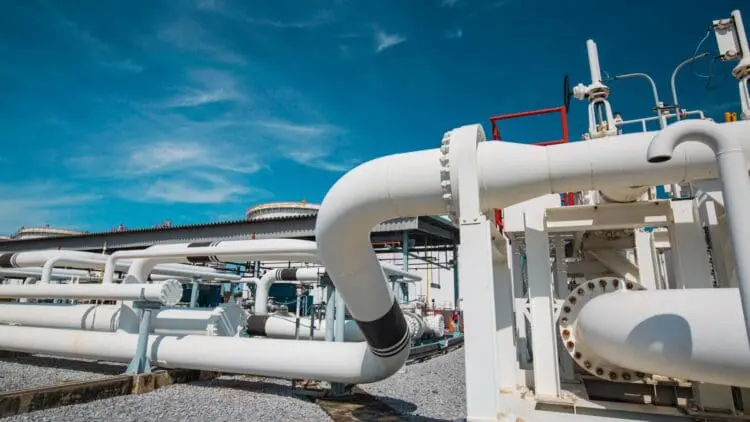
Oil prices saw a slight easing on Tuesday as market participants assessed the likelihood of supply disruptions following U.S. guidance for ships traveling through the Strait of Hormuz. This advisory kept the focus firmly on the ongoing tensions between Washington and Tehran. Consequently, Brent crude oil futures decreased by 13 cents, or 0.19 percent, to settle at $68.91 a barrel, while U.S. West Texas Intermediate crude dropped 17 cents, or 0.26 percent, to $64.19. This minor decline followed a price surge of more than 1 percent on Monday, triggered when the U.S. Department of Transportation’s Maritime Administration advised U.S.-flagged commercial vessels to maintain maximum distance from Iran’s territorial waters and to verbally refuse permission if Iranian forces requested to board.
Strait of Hormuz security
The Strait of Hormuz, situated between Oman and Iran, is a critical maritime chokepoint through which approximately one-fifth of the world’s oil consumption passes. This makes any increase in regional friction a significant threat to global oil supplies. Iran and fellow OPEC members, including Saudi Arabia, the United Arab Emirates, Kuwait, and Iraq, ship the majority of their crude exports through this strait, primarily destined for Asian markets. Notably, the new maritime guidance was released even after Iran’s top diplomat indicated last week that nuclear talks mediated by Oman with the U.S. were off to a “good start” and expected to proceed.
Shifts in global purchasing patterns
In a separate development, Indian Oil Corp purchased six million barrels of crude oil from the Middle East and West Africa. According to traders, this move comes as India avoids Russian oil in an effort to support New Delhi’s pursuit of a trade agreement with Washington.
Related Articles

Renewable Energy Storage Market 2025 Forecast - La...
21 Oct, 2025 07:12
Solar power mistake in South Africa costs homeowne...
21 Oct, 2025 07:54
An Investor’s Guide to Africa...
21 Oct, 2025 09:47
Doha Strike Shakes Global Energy Assumptions...
22 Oct, 2025 13:01
GCC and Russia Deepening ties in a multipolar Midd...
23 Oct, 2025 11:59
Tesla prepares first steps into Africa with Morocc...
23 Oct, 2025 13:29
Off-Grid Solar Energy Market to grow at 17.42 GW b...
23 Oct, 2025 13:39
Petroleum Institute Urges Early Take Off of Africa...
23 Oct, 2025 13:45
Algeria inks $5.4 billion energy pact with Saudi M...
23 Oct, 2025 14:03