Métaux précieux

South Africa Leans on Platinum Reserves to Balance US, China Ties


By: OrePulse
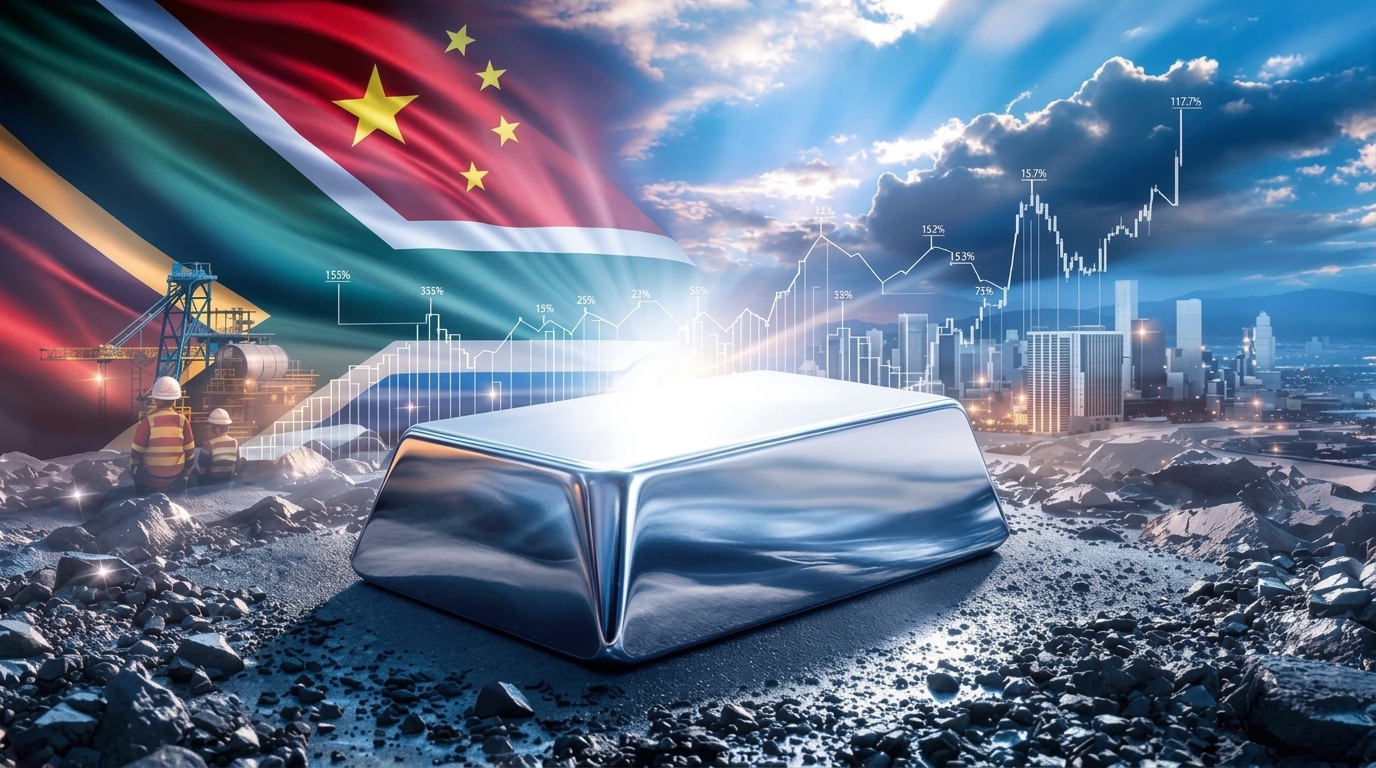
South Africa is drawing on its dominance of the world's platinum-group metal supply to keep both Washington and Beijing engaged, balancing rival demands from two powers that have taken starkly different trade approaches toward the country.
The push comes as Pretoria tries to hold on to both relationships at once, calculating that its mineral wealth gives it room to maneuver where a country with fewer strategic resources would have to pick a side.
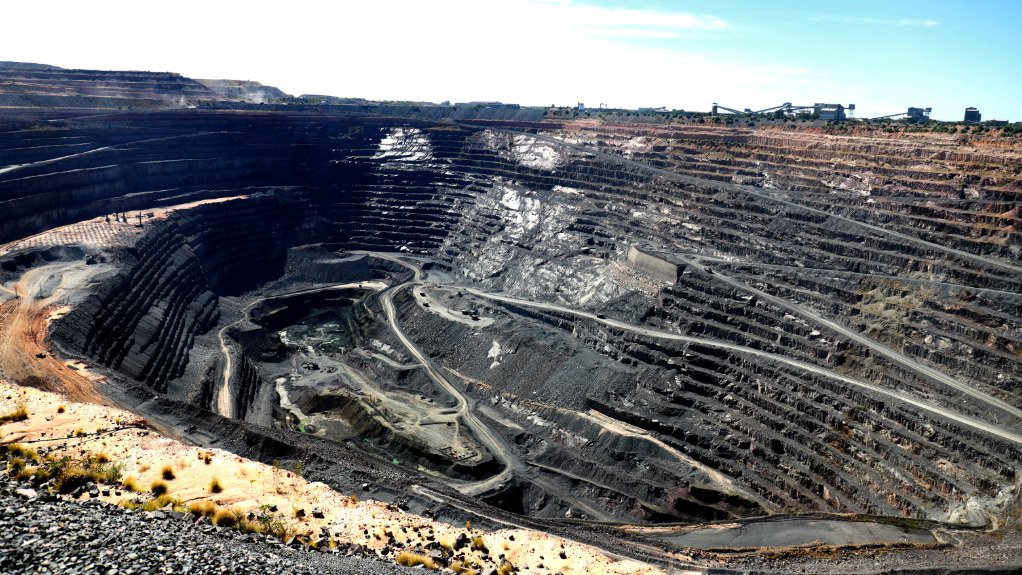
The Bushveld Igneous Complex, which holds an estimated 80 percent of the world's known platinum-group metal (PGM) reserves, sits at the heart of Pretoria's diplomatic calculus. Few other countries hold anywhere near that share of a single strategic resource, giving South Africa unusual sway over supply chains that both superpowers depend on.
Washington relies on the metals mainly for catalytic converters and military hardware, while Beijing wants them chiefly for green-hydrogen production and the buildout of artificial-intelligence data centers. The two applications are different enough that South Africa has been able to court both governments simultaneously rather than being forced to choose a single trading partner.
The two powers have nonetheless taken sharply different paths in their dealings with Pretoria. Under President Trump, Washington this year levied a 30 percent tariff on goods from South Africa and has criticized the country's land-expropriation policy alongside its Black Economic Empowerment program, framing both as points of friction in the broader relationship.
Beijing took the opposite tack, dropping duties on South African goods completely as part of a wider policy extending zero-tariff access to nations across the continent. The contrast leaves South Africa navigating a US relationship weighted toward tariffs and criticism alongside a Chinese relationship built on preferential trade access.
Rather than simply shipping ore overseas, Pretoria wants Washington's companies to invest in local beneficiation, pushing US firms to construct processing plants and smelters on South African soil instead of exporting unrefined material. The pitch aims to turn a raw-materials relationship into one that also generates manufacturing jobs and industrial investment inside the country.
South Africa's platinum sector has a direct stake in the outcome: new processing investment from the United States and continued Chinese demand would both help sustain output and jobs in the mining-dependent Bushveld region, even as the two governments pull in different policy directions.
Officials have cast the offer as a "mutually beneficial" partnership rather than a one-way supply arrangement. Negotiators are set to press the case this week on the sidelines of the United Nations General Assembly, where trade discussions between the countries are expected to continue.
Even with that leverage, people familiar with the government's thinking say South Africa is unlikely to restrict access to the metals as a bargaining tactic. Platinum-group metals account for more than a third of South Africa's exports to the United States, meaning any supply disruption would cost both sides of the trade relationship rather than pressure Washington alone.
That mutual dependence, officials believe, will keep trade ties intact even as Washington continues to criticize Pretoria over minority-rights issues. The calculation reflects a view within the South African government that economic interdependence, more than diplomatic goodwill, is what ultimately sustains the relationship.
China's move to drop tariffs across the continent suggests Beijing's outreach to South Africa is part of a broader Africa-wide strategy for critical minerals, rather than a South Africa-specific overture.
The episode illustrates how a small number of mineral-rich countries are gaining outsized diplomatic weight as major economies compete for the raw materials underpinning defense manufacturing, clean-energy technology and artificial-intelligence infrastructure. For now, South Africa appears intent on using that advantage to deepen ties with both Washington and Beijing rather than forcing either power to choose sides.
Articles similaires
China’s ‘encouraging’ hydrogen progress witnessed ...
03 mars, 2026 07:55
Lucara posts lower 2025 revenue, says additional f...
04 mars, 2026 07:48
Gold bulls say broader rally is intact despite inv...
04 mars, 2026 08:00
WorldVest Launches Gold Finance Africa, Building a...
04 mars, 2026 10:44
Gold and silver rallies likely on pause despite ne...
04 mars, 2026 11:49
Gold prices climb over 1 percent to $5,164 as Midd...
04 mars, 2026 11:59
‘Extremely robust’ platinum investment demand expe...
04 mars, 2026 13:08
Trigon Metals Launches Silver Exploration Drive in...
05 mars, 2026 08:00
The Ekapa Mine liquidation – A tragedy compounded...
05 mars, 2026 08:05