Precious Metals

The Ekapa Mine liquidation – A tragedy compounded


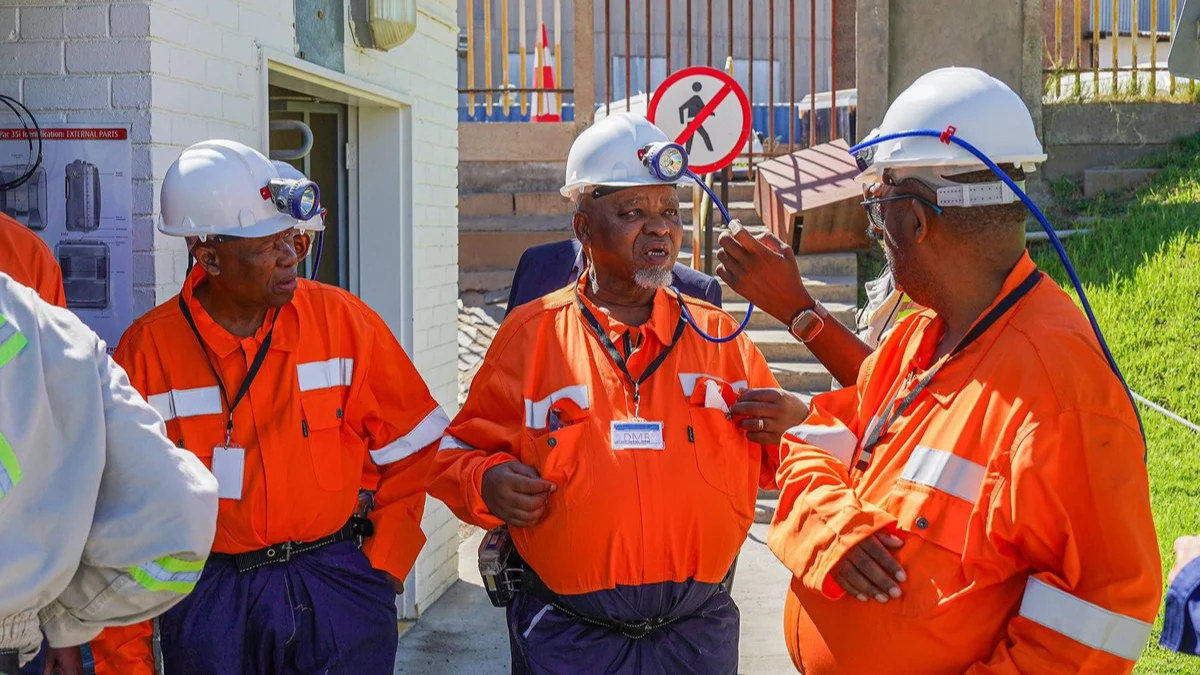
The decision to liquidate Ekapa Mining in the wake of the unfortunate mudslide at its Kimberley operation is a harsh reminder of the human cost when industrial risk and economic pressure collide. What began as a rescue effort has now spiralled into an economic and social crisis for a region long defined by its diamond legacy.
On 17 February, a sudden mud rush at the Ekapa joint shaft trapped five miners approximately 890 metres underground, prompting an intensive rescue operation involving specialised teams and government oversight. Mineral Resources Minister Gwede Mantashe said authorities were hopeful the men could be reached by Saturday after days of dewatering and debris removal – a race against time that captured the nation’s attention.
Even as rescue efforts continued, the company indicated its financial strain. Rather than building confidence, talks of retrenchments emerged while the miners were still underground – a move that drew sharp criticism from Parliament’s Mineral Resources Committee. Chairperson Mikateko Mahlaule underscored that priority must remain on bringing the missing workers to the surface before any discussions about layoffs or liquidating the business.
By late February, the inevitable had occurred: Ekapa’s operators applied for liquidation, citing the dual blows of the disaster and a prolonged downturn in the global diamond market. In a statement, the company said: “The decision follows a careful assessment which concluded that the company cannot continue to meet its financial obligations given the prolonged global diamond market downturn, exacerbated by the recent tragic incident.”
For workers and their families, the liquidation transforms tragedy into uncertainty. With about 1 000 jobs at risk, many face sudden unemployment in a region with few alternative opportunities. Union leaders have condemned the move, with some suggesting liquidation is being used to sidestep accountability for potential safety lapses that preceded the disaster.
The economic ripple effects will likely extend beyond the mine gates. Small businesses reliant on steady mine pay cheques, service providers in Kimberley and surrounding towns, and public revenue streams are all threatened. The situation poses urgent questions for regulators, the mining sector, and government: How robustly are safety protocols enforced? Do contingency plans truly protect workers and communities when disaster strikes? What social safety nets exist for displaced employees?
The end of operations at Ekapa – a mine with 158 years of history – is a profound loss for South Africa’s diamond sector. But the broader failing lies not just in lost production, but in the inadequate safeguarding of the people whose labour made that legacy possible. The coming weeks must focus on accountability, support for affected families, and preventing such compounded tragedy in the future.
Related Articles
China’s ‘encouraging’ hydrogen progress witnessed ...
03 Mar, 2026 07:55
Lucara posts lower 2025 revenue, says additional f...
04 Mar, 2026 07:48
Gold bulls say broader rally is intact despite inv...
04 Mar, 2026 08:00
WorldVest Launches Gold Finance Africa, Building a...
04 Mar, 2026 10:44
Gold and silver rallies likely on pause despite ne...
04 Mar, 2026 11:49
Gold prices climb over 1 percent to $5,164 as Midd...
04 Mar, 2026 11:59
‘Extremely robust’ platinum investment demand expe...
04 Mar, 2026 13:08
Trigon Metals Launches Silver Exploration Drive in...
05 Mar, 2026 08:00
Diamonds built Botswana. Now, it must ponder a fut...
05 Mar, 2026 09:00