Energy Other

Oil prices rebound: Brent rises to $104, WTI hits $92.02 as supply concerns persist



Oil prices climbed back up on Thursday, recovering some of the previous session’s losses as investors worried that extended tensions in the Middle East could cause further disruption to energy supplies.
By 5:35 GMT, Brent crude futures had gained $1.79, or 1.75 percent, to reach $104 a barrel, while U.S. West Texas Intermediate crude rose $1.70, or 1.88 percent, to $92.02 a barrel. The recovery comes after prices witnessed more than a 2 percent drop in the previous session, falling to $95.77 in early trading.
Supply disruption fears persist
Iran said on Wednesday that it is still considering a U.S. proposal to end the war, but stressed that it has no plans to engage in talks aimed at resolving the wider Middle East conflict.
At the same time, White House press secretary Karoline Leavitt said President Donald Trump would impose tougher measures on Iran if Tehran does not accept that it has been militarily defeated.
Although Iran has yet to formally approve the proposal, it has also avoided dismissing it outright, fueling cautious optimism that there may still be a route to de-escalation. That uncertainty has left traders uneasy, lifting oil prices on Thursday.
The Strait of Hormuz, a key chokepoint for about one-fifth of global oil flows, remains at the center of market attention, as any disruption to shipping through the passage could send prices sharply higher.
Japan calls for another IEA emergency oil stock release
Oil prices dropped on Wednesday after reports of possible negotiations eased some of the geopolitical premium that had been supporting crude. Investors are also watching developments out of Washington, where officials have warned of tougher action if Iran fails to respond constructively, adding to the uncertainty surrounding the market outlook.
Japanese Prime Minister Sanae Takaichi on Wednesday urged IEA Executive Director Fatih Birol to consider another coordinated release of emergency oil reserves, as Japan looks to protect itself against the risk of a prolonged conflict in the Middle East.
Supply worries were also reinforced by disruptions in Russia, where the country’s oil export capacity has been shut down following Ukrainian drone strikes, an attack on a major pipeline and the seizure of tankers.
Related Articles
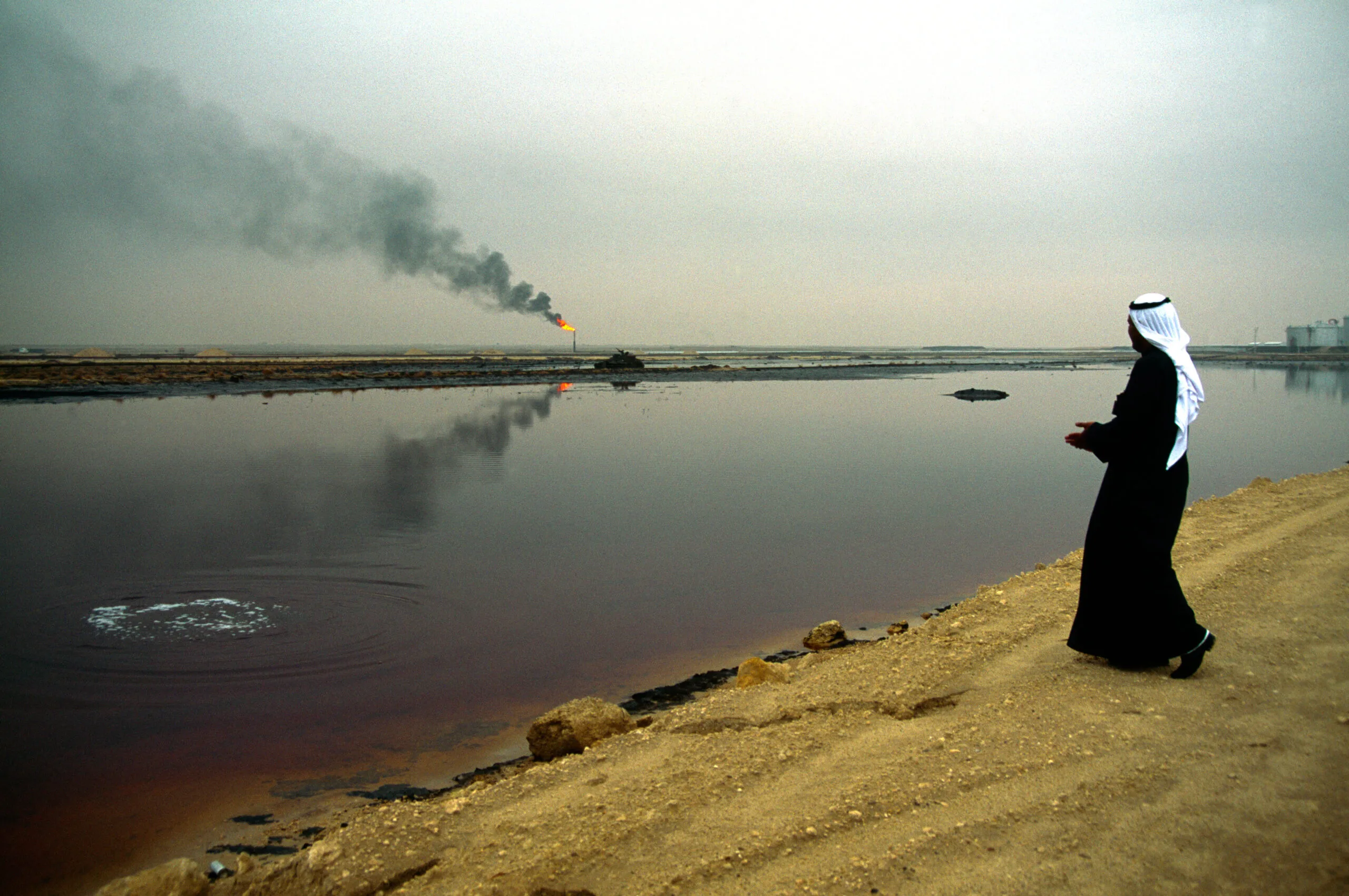
Kuwaiti oilfield comes onstream officially after 1...
22 Sep, 2025 12:56
African Energy Week (AEW) 2025: Unlocking the Pote...
22 Sep, 2025 13:22
South Africa warns illegal car imports threaten ne...
23 Sep, 2025 06:31
South Africa Confronts EU Carbon Border Mechanism...
23 Sep, 2025 12:33
South Africa, China Deepen Investment Ties in Key ...
24 Sep, 2025 07:35
Raysut Cement’s Expansion into Libya and North Afr...
24 Sep, 2025 07:40
Nextchem opens regional office in Abu Dhabi...
24 Sep, 2025 08:10
Ghanaian students win top honours in IAEA’s Female...
24 Sep, 2025 09:32
Key Sectors Linking Mauritania and Gambia...
24 Sep, 2025 09:40