Energy Other

Libya and Tunisia lead new Mediterranean energy corridor


By: Africa sustainability matters
European efforts to secure diversified, low-carbon energy supplies are driving a strategic shift toward North African electricity markets, as emerging subsea interconnector projects and regional grid integrations position the Mediterranean as a high-voltage power corridor.
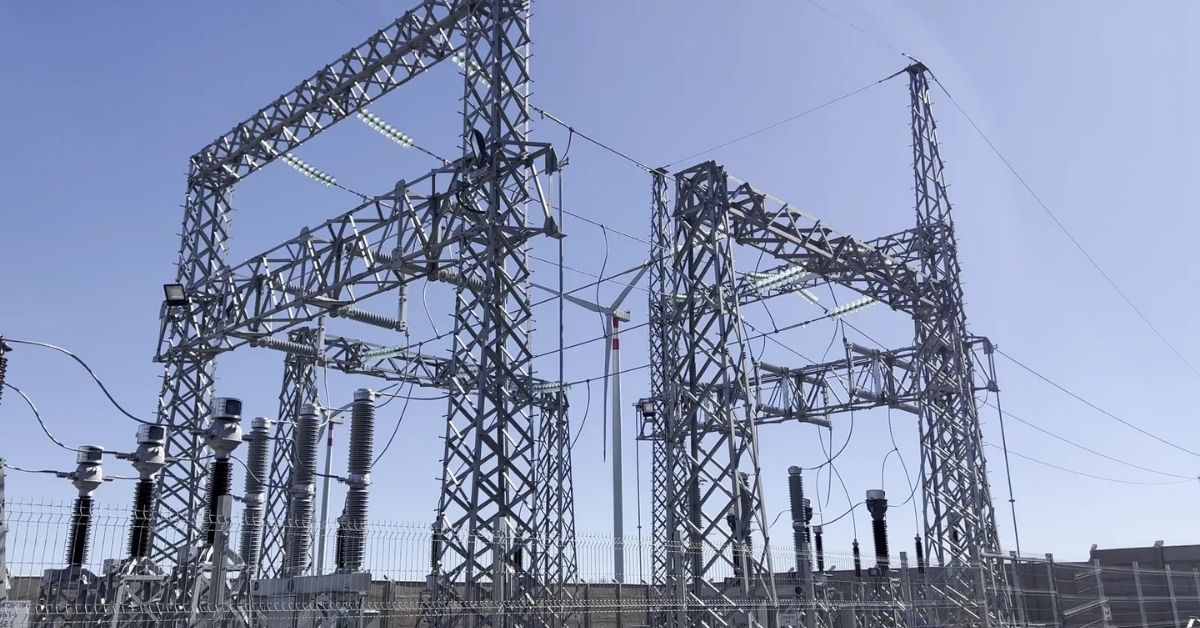
While traditionally defined by hydrocarbon pipelines, the energy relationship between the two continents is expanding into bidirectional electricity trade, underpinned by a 1.01-billion-euro investment in the ELMED interconnector between Tunisia and Sicily.
This infrastructure, alongside Libya’s renewed focus on grid modernization and solar potential, is expected to form a primary pillar of discussions at the Invest in African Energy (IAE) Forum in Paris this April, where policymakers and institutional investors will assess the fiscal and technical requirements for scaling cross-border energy flows.
The ELMED project remains the most advanced tangible link in this evolving architecture. Although global supply chain pressures and equipment shortages have recently pushed its projected commissioning toward 2030, the 600-megawatt high-voltage direct current (HVDC) link has already secured significant backing, including 582 million euros from the Tunisian government and financing from the European Bank for Reconstruction and Development.
For Tunisia and its neighbors, the interconnector represents more than an export route; it is a mechanism for grid stabilization and a catalyst for domestic renewable energy sectors that require regional integration to remain commercially viable.
According to recent government briefings in Tunis, the project is expected to generate between 71 million and 182 million euros in annual revenue, providing a critical new stream of foreign exchange for the North African economy.
Libya is also positioning itself as a central node in this Mediterranean power network, seeking to transition from its role as a primary oil producer to a regional electricity exporter. The state-owned National Oil Corporation and the Renewable Energy Authority of Libya have outlined ambitions to export up to 2 gigawatts of clean power to Europe, targeting Italy, Malta, and Greece as primary off-takers.
This strategy is reinforced by a new draft Renewable Energy Law currently under review by the House of Representatives in Tripoli, which aims to provide the legal certainty required by international financiers.
By integrating its significant gas-fired baseload capacity with new solar projects, including facilities near Ghadames and Kufra, Libya seeks to offer Europe a hybrid energy solution that balances intermittent renewables with stable gas-to-power generation.
For African economies, these developments signal a move toward deeper industrial and fiscal integration with the European market. The shift reflects the operationalization of the African Single Electricity Market (AfSEM) and the Continental Power Systems Masterplan, which requires an estimated 1.2 trillion euros to fully realize.
Rather than replacing traditional LNG exports from emerging producers such as Senegal, Mauritania, and Nigeria, these electricity corridors offer a complementary delivery system that bypasses the volatility of global shipping markets.
As investors gather in Paris, the focus is increasingly on the infrastructure of the transition: the subsea cables, storage systems, and high-voltage transmission lines that will determine whether North Africa can leverage its geography into a position of long-term energy sovereignty and economic resilience.
Related Articles
Kuwaiti oilfield comes onstream officially after 1...
22 Sep, 2025 12:56
African Energy Week (AEW) 2025: Unlocking the Pote...
22 Sep, 2025 13:22
South Africa warns illegal car imports threaten ne...
23 Sep, 2025 06:31
South Africa Confronts EU Carbon Border Mechanism...
23 Sep, 2025 12:33
South Africa, China Deepen Investment Ties in Key ...
24 Sep, 2025 07:35
Raysut Cement’s Expansion into Libya and North Afr...
24 Sep, 2025 07:40
Nextchem opens regional office in Abu Dhabi...
24 Sep, 2025 08:10
Ghanaian students win top honours in IAEA’s Female...
24 Sep, 2025 09:32
Key Sectors Linking Mauritania and Gambia...
24 Sep, 2025 09:40