توزيع الطاقة

TotalEnergies, BlackRock's GIP Ink $1.8bn Africa Infrastructure Deal


By: OrePulse
TotalEnergies SE has agreed to a $1.8 billion financing deal with Global Infrastructure Partners, the infrastructure investment platform owned by BlackRock Inc., covering assets tied to the French energy company's oil and gas operations in Africa.
Under the agreement, GIP is contributing $1.8 billion upfront. The company will recover that capital over 15 years through tariffs charged on throughput volumes at the assets, rather than through a fixed loan repayment structure. TotalEnergies did not specify which particular assets the new financing arrangement would cover.
Jean-Pierre Sbraire, TotalEnergies' chief financial officer, said the company was "pleased to strengthen our relationship with GIP through this infrastructure agreement, which crystallizes the value of some of our midstream infrastructure assets in Africa."
The structure lets TotalEnergies draw immediate cash from infrastructure it already owns, in exchange for giving GIP a claim on future tariff revenue rather than taking on additional debt or selling an outright equity stake. Major oil companies increasingly use this approach to finance large infrastructure builds without expanding their balance sheets or diluting equity stakes in the projects themselves.
The deal adds to TotalEnergies' extensive African energy investment, which includes the development of oil fields in Uganda and construction of the East Africa Crude Oil Pipeline. This $5.6 billion project will carry Ugandan crude across the border to the Tanzanian coast for export. The pipeline, known as EACOP, has drawn sustained opposition from environmental groups, which have lobbied banks and other financial institutions not to support it.
Despite that pressure, several African and international lenders have backed the pipeline, including the African Export-Import Bank, Standard Bank of South Africa, Stanbic Bank Uganda, KCB Bank Uganda and the Islamic Corporation for the Development of the Private Sector. Standard Chartered, however, opted not to fund EACOP, pointing to environmental concerns about the project.
The new GIP financing underscores continued institutional investor appetite for African midstream energy infrastructure even as some lenders keep their distance from projects facing environmental criticism. It comes as EACOP moves toward completion, with the pipeline standing as one of the largest and most closely watched energy infrastructure projects on the African continent, and as global infrastructure funds increasingly look to the continent's oil and gas transport networks for long-term, tariff-based returns.
For TotalEnergies, the financing provides fresh capital to support its broader African portfolio at a time when the company continues to expand production in Uganda ahead of EACOP's planned start of exports, while allowing it to share the financial exposure of major infrastructure assets with a well-capitalized institutional partner rather than shouldering the full cost alone.
The transaction also reflects the growing role of dedicated infrastructure funds in financing African energy projects that have proven difficult to fund through traditional bank lending alone, particularly where environmental campaigns have discouraged some lenders from participating. By pairing a throughput-based tariff structure with a multi-year repayment horizon, the deal gives GIP a long-dated, cash-generating exposure to African midstream assets while giving TotalEnergies a financing partner willing to commit capital to a region where some conventional lenders have grown more cautious.
Neither company detailed a timeline for closing the transaction or said whether additional financing partners might join the arrangement covering TotalEnergies' African midstream infrastructure in the future.
The agreement is the latest example of TotalEnergies turning to outside capital to support its African energy ambitions even as parts of its flagship EACOP project continue to face resistance from environmental campaigners and some Western financial institutions. With the pipeline advancing toward completion and Ugandan crude production ramping up, the region's midstream infrastructure, including pipelines, storage and export facilities, is increasingly being viewed by large infrastructure investors as a long-term revenue stream independent of swings in oil and gas prices, so long as throughput volumes hold up over the life of the tariff arrangement.
مقالات ذات صلة
Gas disruptions in Middle East send prices soaring...
03 مارس, 2026 13:47
Saudi Energy board proposes $773m dividend for 202...
03 مارس, 2026 13:58
Nigeria Regulator Orders Power Distributors to Ref...
06 مارس, 2026 08:25
Diesel markets, upended by Middle East conflict, t...
11 مارس, 2026 08:09
SAA on guard as Middle East tensions threaten fuel...
11 مارس, 2026 11:58
Africa’s Longest Oil Pipeline Nears Completion as ...
12 مارس, 2026 08:38
Shell, TotalEnergies and others declare FM to thei...
12 مارس, 2026 09:21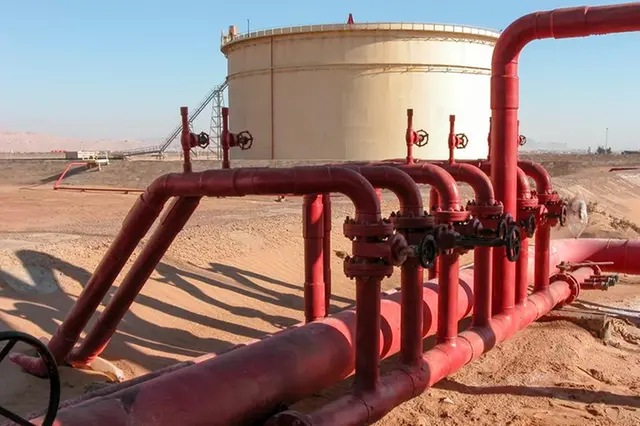
Egypt aims to boost oil, gas output with horizonta...
12 مارس, 2026 09:37
Iran Warns of $200 Oil Prices Amid Escalating Gulf...
13 مارس, 2026 08:12