أسواق الطاقة

Iran Rejects Softer Hormuz Terms After Trump Spurns Reopening Offer


By: OrePulse
Iran's government said on September 27 that it will not soften the terms of a seven-day proposal to reopen the Strait of Hormuz to shipping, after President Donald Trump publicly rejected the offer and said Tehran had "overplayed its hand." The dispute knocked more than 2% off benchmark crude prices.
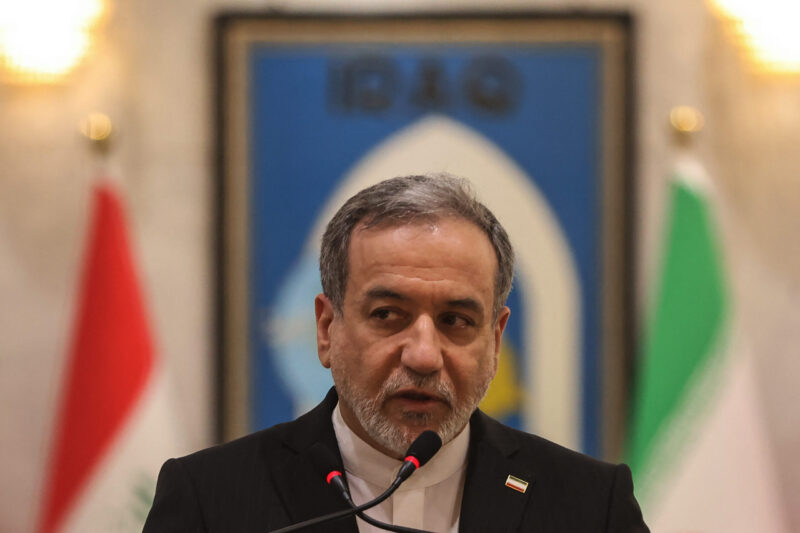
Foreign Minister Abbas Araghchi said Tehran remains open to negotiating through mediators Qatar and Pakistan but had not received an official response to its proposal through those channels even after Trump's public remarks. Speaking to NBC's Meet the Press, Araghchi said, "We are ready to open the strait if they do certain things," and stressed that Iran's conditions have not changed. He said Iran would hold that position even if the confrontation with Washington escalates further. He accused the United States of carrying out repeated attacks on Iran during Trump's second term.
Under the arrangement Iran put forward, and Trump rejected, Tehran would reopen the strait to shipping while Washington would lift its naval blockade of Iranian ports. The structure mirrored a ceasefire the two countries reached in June, which later broke down.
Trump, speaking Saturday, said the terms Iran was now demanding were ones Washington might have accepted a year earlier, and argued Tehran wanted an immediate reopening of the waterway because its position had weakened. "They want to make a deal where they open the strait immediately because they're losing so badly," he said.
Treasury Secretary Scott Bessent said on Fox News that economic pressure on Iran was working, pointing to a substantial pullback in Chinese support for Tehran. He predicted Iranian oil deliveries to China would end within two weeks, leaving Tehran with "nothing," a squeeze he argued would ultimately force Iran back toward negotiations.
Iranian President Masoud Pezeshkian, addressing the United Nations General Assembly last week, said Tehran would not allow freedom of navigation through Hormuz. At the same time, U.S. sanctions and the naval blockade remain in place, and Iran would not give up its nuclear technology development.
The standoff has unfolded alongside rising regional violence. A Saudi-backed military coalition operating in Yemen reported shooting down two Houthi drones headed for Riyadh over the weekend, along with a separate ballistic missile bound for Khamis Mushait, further south in Saudi Arabia; the interceptions came roughly a week after air-raid sirens had already sounded in the Saudi capital. Trump is said to be counting on a return to airstrikes against Iran once this November's midterm elections have passed, though he would not confirm that outlook when asked.
Brent crude futures fell 2.02%, to $97.44 a barrel, while West Texas Intermediate crude dropped 2.29%, to $92.44, as traders reacted to the collapse of the reopening talks.
Neither government showed any sign of backing down: Tehran's terms remained unchanged even after the U.S. president publicly dismissed them, leaving the strait's reopening no closer to resolution.
مقالات ذات صلة

Oil prices jump over 3 percent to $84.41 as supply...
05 مارس, 2026 07:30
Oil prices fall 1 percent to $84.56 as U.S. grants...
06 مارس, 2026 07:40
Oil prices drop to $86.98 on report of IEA plannin...
11 مارس, 2026 07:16
Oil prices surge back above $100 as Mideast tensio...
12 مارس, 2026 08:07
Oil gains 9 percent this week as prices remain abo...
13 مارس, 2026 07:50
Oil prices surge to $104.87 as Trump seeks naval c...
16 مارس, 2026 07:48
Oil prices recoup losses, surge to $102.85 as supp...
17 مارس, 2026 08:01
Oil prices contract by 2.21 percent to $101.13 fol...
18 مارس, 2026 11:34
Oil prices rise to $107.34 as investors balance ge...
23 مارس, 2026 08:30