Logistic

Impact of Middle East Conflict on Global Logistics - What Freight Forwarders Need to Know


Escalating tensions in the Middle East are affecting maritime and air transport operations, including risks to navigation in and around the Strait of Hormuz and disruptions to regional airspace. FIATA is closely monitoring the rapidly evolving security situation and its implications for global supply chains, including impacts on insurance conditions, transit times, and freight costs worldwide.
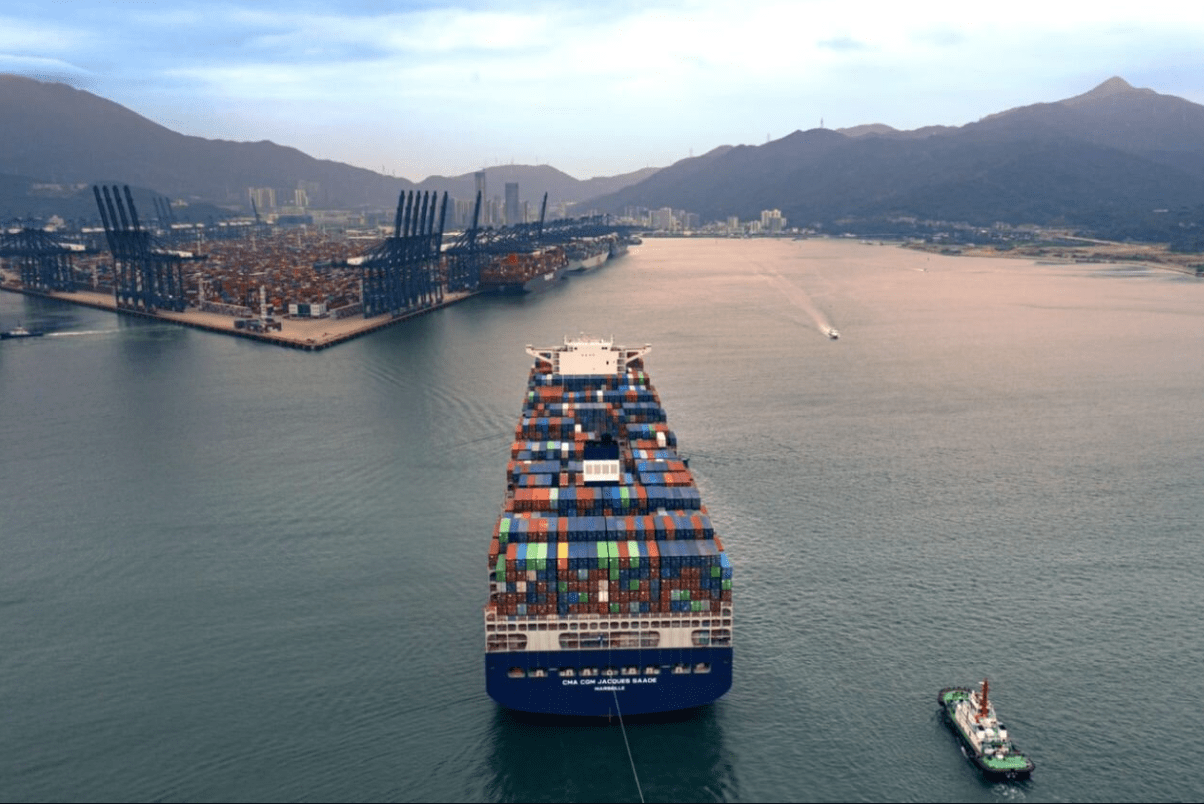
Recent industry intelligence indicates that vessels in the Gulf region have altered courses, halted movements, or reversed direction amid heightened military activity and navigational risks. Some container ships preparing to transit the Strait of Hormuz have reportedly made U-turns following announcements of closure, signalling the potential for severe disruption and congestion across global shipping networks. It is expected that this could cause surges in transhipment volumes at alternative regional hubs, increasing the risk of port congestion and cascading delays across global liner schedules.
Given the region’s central role in energy flows and east-west trade corridors, further deterioration could lead to significant operational disruption across multiple transport modes.
Key operational impacts
Maritime transport is facing heightened security risks in the Gulf region and surrounding waters, prompting vessel diversions, suspended sailings, or halted transits. At the same time, war-risk insurance premiums and related surcharges are rising sharply, increasing the cost of shipping operations. If traffic is redirected away from affected areas, alternative hub ports in the Middle East and Asia may experience significant congestion, further disrupting schedules and capacity availability.
Air cargo operations are also affected by airspace restrictions and rerouting, which are increasing transit times and reducing schedule reliability. Longer flight paths are driving higher fuel consumption and operating costs, while capacity constraints may emerge as carriers adjust networks to avoid high-risk zones.
Across supply chains more broadly, disruptions to energy, petrochemical, and industrial flows are likely to have knock-on effects across manufacturing, retail, and food systems worldwide. Volatility in freight rates, equipment availability, and contractual performance may increase as operators adapt to rapidly changing conditions and uncertain transit environments.
Immediate actions for FIATA Members
The situation remains highly fluid, and FIATA continues to monitor the situation closely. Sudden operational changes, including vessel rerouting, transit suspensions, or airspace closures, may occur with little advance notice and could trigger cascading effects across global shipping and aviation networks.
In line with FIATA best practices on risk management, contractual clarity, and operational resilience, freight forwarders are strongly advised to take the following measures while maintaining heightened vigilance as the situation evolves:
1. Protect Personnel and Operations
Monitor official government advice and carrier security notices
Review business continuity and crisis management plans
Maintain close contact with local agents and partners
2. Maintain Situational Awareness Across Shipments
Identify shipments transiting or scheduled to transit affected regions
Track cargo movements in real time and verify routing with carriers
Prepare for sudden diversions, delays, or suspension of services
Inform customers proactively of changing conditions
3. Review Contractual and Liability Positions
Assess applicability of force majeure or exceptional circumstances clauses
Clarify liability exposure for delays, deviations, or non-performance
Ensure subcontractor terms provide equivalent protections
Maintain comprehensive documentation to support claims or dispute resolution
4. Manage Insurance and Financial Risk
Verify cargo and liability insurance coverage in conflict zones
Confirm war-risk coverage, exclusions, and notification obligations
Prepare for additional surcharges, deposits, or payment guarantees
Review credit exposure where shipments may be delayed or cancelled
5. Ensure Transparent and Regular Customer Communication
Provide frequent updates on routing changes and delays
Clearly explain cost increases and surcharge drivers
Encourage flexibility in delivery timelines and service expectations
Advise customers on alternative transport solutions where feasible6. Strengthen Supply Chain Flexibility and Multimodality
Explore alternative ports, gateways, and routing options
Consider multimodal solutions where appropriate
Anticipate congestion at substitute hubs and transhipment points
Coordinate closely with carriers, terminals, and inland operators
Related Articles

China, Tanzania, Zambia sign initial agreement on ...
04 Sep, 2024 07:20
Arthur D. Little grows Middle East travel & transp...
05 Sep, 2024 08:16
Forum on "North-South" International Transport Cor...
05 Sep, 2024 10:29
APM Terminals to invest $115 million in Nigeria123...
06 Sep, 2024 13:37
Container spot rates drop 8%...
09 Sep, 2024 10:41
Africa Emerges as a Key Player in Global Airfreigh...
10 Sep, 2024 13:01
Shortlist spotlight 2024: Project Logistics Provid...
12 Sep, 2024 09:59
Logistics News ME’s September issue reflects on Em...
12 Sep, 2024 13:54
New Africa routes for SAA...
13 Sep, 2024 10:56