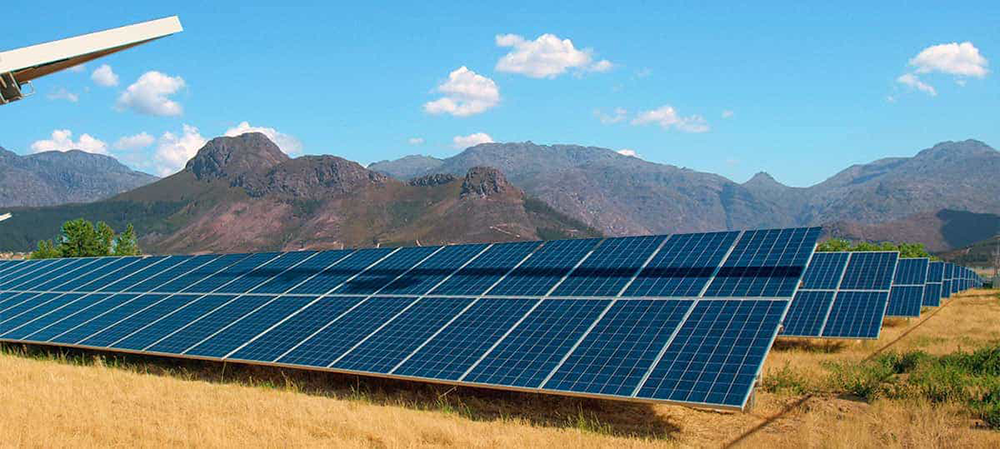
Generation

Zambia Approves Energy Projects Worth $972m Amid Power Deficit


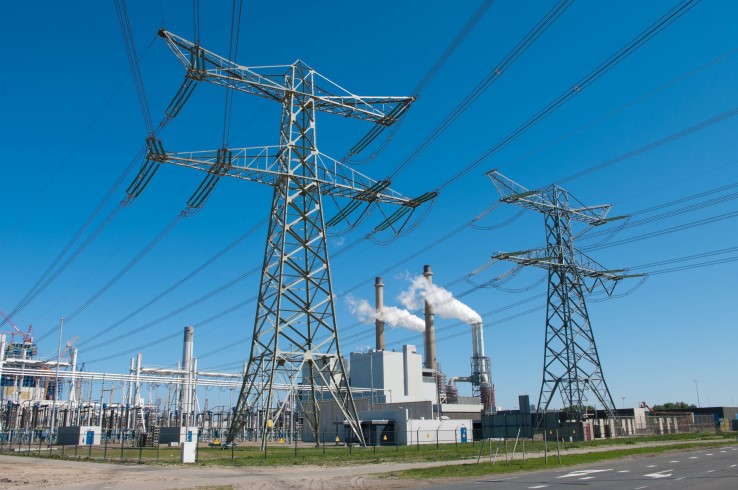
Zambia's Energy Regulation Board (ERB) has approved energy-sector investments worth about ZMW18.4 billion ($971.5 million), according to a statement issued on August 17, 2026.
The approvals comprise 23 licenses, 20 construction permits and license inclusions across the electricity, renewable-energy and downstream petroleum sectors. They cover renewable-energy equipment manufacturing and supply, petroleum transportation and distribution, lubricant imports and blending, as well as 116 petroleum transporters. The regulator also authorized the commissioning of five retail service stations and two utility-scale solar projects.
The approvals come as Zambia continues to address an electricity deficit that emerged after severe drought reduced hydropower generation. In February, the government told Parliament that available domestic generation had fallen to 1,635 MW, compared with national demand of about 2,400 MW, requiring 511 MW of electricity imports at the time.
The International Monetary Fund expects Zambia's electricity deficit to widen further in 2026 as additional generation remains insufficient to meet growing demand from households, mines and other large businesses. The government has responded by pursuing additional solar and thermal generation while continuing to invest in hydropower.
The renewable-energy component of the latest approvals is therefore relevant to Zambia's efforts to increase supply and reduce its exposure to hydrological shocks. More broadly, the ERB's 2025 Energy Sector Report estimated that projects already in the pipeline could add about 500 MW of renewable generation capacity in 2026 as projects linked to the government's 1,000 MW solar target are expected to come online. The latest statement, however, does not provide the expected generation capacity or investment value of the two utility-scale solar projects specifically.
The ERB decision also extends beyond electricity generation. Zambia remains dependent on imported petroleum products, with fuels entering the landlocked country through neighboring states and then being distributed domestically through road and pipeline networks. The government has said industrialization, mining, agriculture and population growth are increasing petroleum demand, making transportation and distribution capacity an important part of the country's energy system.
These authorizations come as Zambia's petroleum supply chain undergoes broader reforms. In July, the government said petroleum-procurement debt had fallen from more than $900 million in 2022 to about $210 million, while the TAZAMA Open Access Framework had contributed to a reduction in diesel pump prices from K32.54 per litre in March 2025 to K28.11 in July 2026. The government also reported strategic stocks equivalent to 21 days of diesel and 15 days of petrol consumption.
For electricity, however, regulatory approval does not necessarily translate immediately into additional generation. The ERB has previously identified financial close as a constraint on renewable-energy development, citing weaknesses in project conceptualization, financial modelling and project packaging. The extent to which the newly approved projects contribute to narrowing Zambia's electricity gap will depend on their progress from approval through financing, construction and commercial operation.
Related Articles
QatarEnergy ceases LNG production following milita...
03 Mar, 2026 08:20
Africa’s expected hydrogen mobility build-out deta...
03 Mar, 2026 09:21
South Africa energy build risks stalling without f...
04 Mar, 2026 12:01
LNG shutdown sinks Qatar stocks but Tadawul reboun...
04 Mar, 2026 12:19
Africa's energy transition must support industrial...
04 Mar, 2026 12:50
Funding for Africa clean energy financing surges d...
04 Mar, 2026 13:09
Kenya: Spenomatic Group Opens Solar Learning Centr...
05 Mar, 2026 08:30
NEDC Backs Solar Mini-Grid Rollout in Niger State...
05 Mar, 2026 09:16
Dr Kgosientsho Ramokgopa frames energy as Africa’s...
06 Mar, 2026 08:17