Sea

Nigeria launches ₦1.45trn overhaul of Lagos' Apapa, Tin Can ports


By: OrePulse
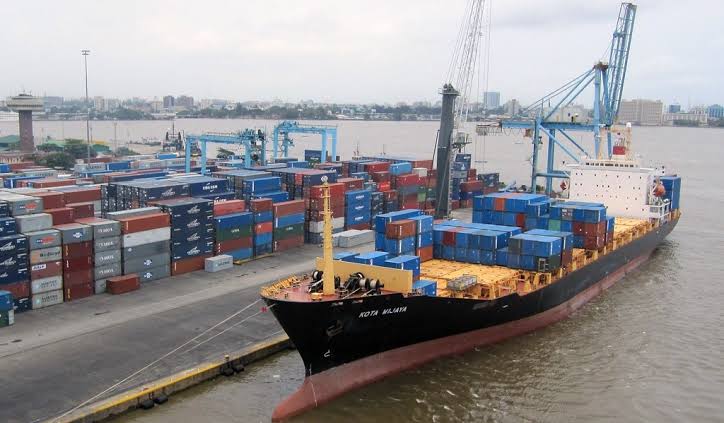
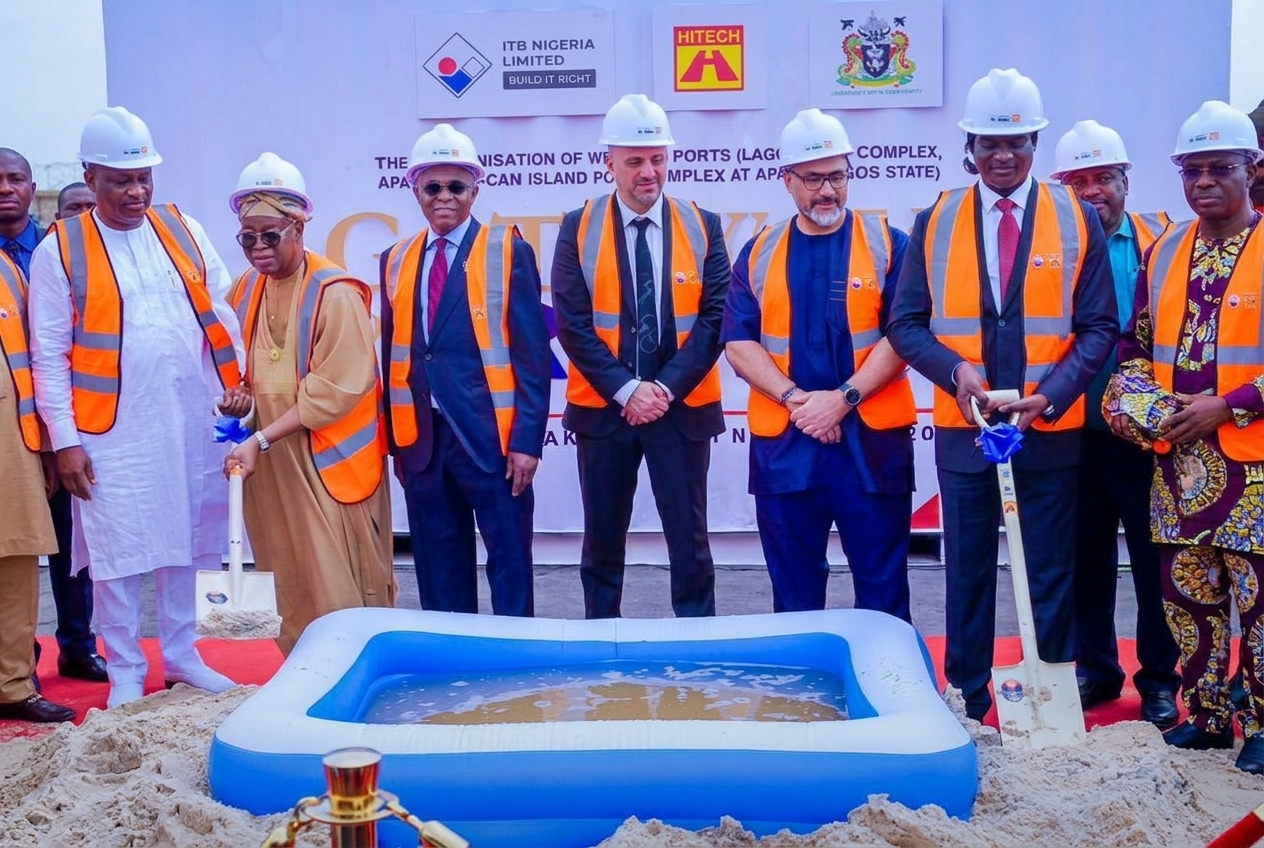
Nigeria broke ground on November 25 on a 1.45 trillion naira, or roughly £746 million, project to modernize the Lagos Port Complex at Apapa and the Tin Can Island Port, the country's two busiest container gateways, which together handle more than two-thirds of Nigeria's container trade.
The ceremony was held at Tin Can Island Port in Lagos State and was led by Marine and Blue Economy Minister Adegboyega Oyetola, with Finance Minister Taiwo Oyedele also in attendance. "The cost of inaction is far greater than the cost of modernisation," Oyetola said, adding that the country "cannot achieve this ambition with infrastructure that falls behind the demands of modern shipping."
The works will rehabilitate quay walls and berths, dredge navigation channels, and upgrade access roads, cargo-handling equipment and operating systems at both ports. Contractor ITB Nigeria's own project documents put the cost at $901.86 million, according to a separate report, with construction expected to take 48 months and to rebuild 20 berths — pointing to completion around the end of 2030.
Oyetola said cargo currently takes 10 to 18 days to clear Nigerian ports, compared with three to five days at leading international ports, and that the resulting delays and congestion cost the economy as much as $4 billion a year. He said the modernization is intended to cut clearance times to 48 hours and would create at least 20,000 direct and indirect jobs.
Nigeria's container trade has been under pressure even before construction begins. Apapa's cargo throughput fell 5 percent to 535,000 tonnes in the first half of the year, with 18 fewer vessel calls, while Tin Can Island's vessel calls dropped 3.4 percent to 488 and average turnaround time rose to 5.1 days from 4.4, according to the supporting report citing port data.
Accounts of the project's financing differ. Oyedele called it Nigeria's "largest sovereign export credit transaction since 2009" and said it marked the first Nigerian project for Poland's export credit insurer, KUKE. A separate report instead attributed the backing to UK Export Finance, saying the funding had been agreed roughly eight months earlier following a state visit to the United Kingdom by President Bola Tinubu, and that the groundbreaking had twice been delayed from earlier target dates [uncertain which account is accurate]. Officials from both countries attended the ceremony: Poland's deputy foreign minister, Marcin Bosacki, and its ambassador to Nigeria, Michal Cygan, as well as Britain's deputy high commissioner in Lagos, Jonny Baxter.
Nigerian Ports Authority Managing Director Abubakar Dantsoho called the groundbreaking a landmark moment for the agency and said it would provide technical supervision and quality assurance throughout construction, while working to protect the continuity of port operations.
To manage disruption during the four-year build, Oyetola said he had set up a committee drawing on his ministry, the Ports Authority and the Nigeria Ports Economic Regulatory Agency, tasked with producing a plan for keeping cargo moving and port operations stable throughout construction. That plan is expected to cover the phasing of construction work, vessel scheduling and truck traffic, and to identify alternative ports or transport routes where needed.
Oyetola said the Lagos project forms part of a broader national effort that has also approved modernization work at the ports of Onne, Rivers, Delta and Calabar, though he gave no further detail on the scope or timing of those plans.
Tin Can Island Port was commissioned in 1977, when Nigeria's population stood at about 67.2 million, annual trade was valued at roughly $17 billion, and the port handled 8.11 million metric tonnes of cargo a year. The country's population has since grown to about 240 million, annual merchandise trade now exceeds $100 billion, and cargo volumes across Nigerian ports have risen to 129.3 million metric tonnes — nearly 16 times the 1977 level. Apapa Port, Nigeria's oldest, was established in 1913.
Related Articles
Port of Beirut Breaks Ground on $100 Million Expan...
15 Sep, 2026 13:06
Hapag-Lloyd Locks In Strategic Capacity Across Fiv...
15 Sep, 2026 17:27
Lagos Ports Dominate as Nigeria's Trade Concentrat...
16 Sep, 2026 12:49
Iran's Hormuz Blacklist Triples in Three Weeks as ...
16 Sep, 2026 13:35
Egypt's Sokhna Port Begins Trial Operations at New...
18 Sep, 2026 09:20
Six Charged, Including Ghana Customs Officers, Ove...
18 Sep, 2026 09:35
Egypt's Damietta and Red Sea Ports See Vessel Traf...
18 Sep, 2026 10:04
When Both Ends of the Red Sea Corridor Go Dark: Ya...
18 Sep, 2026 16:41
Suez Canal August traffic jumps 27%, revenue hits ...
21 Sep, 2026 13:13