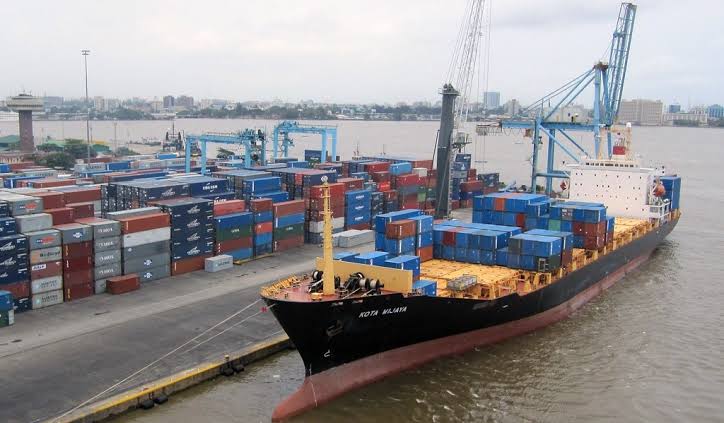
Sea

Marsa Maroc pitches $230m Monrovia port terminal as congestion bites


By: OrePulse
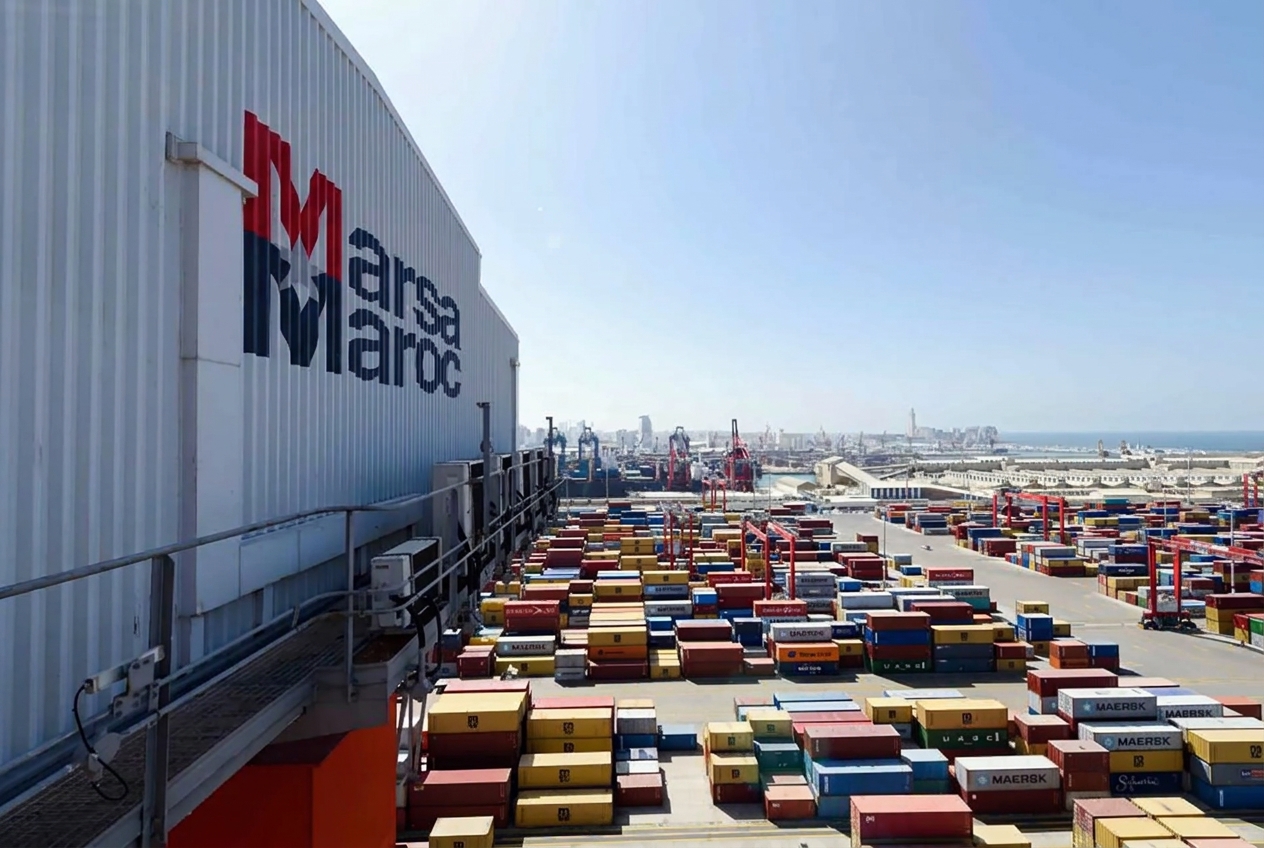
Moroccan port operator Marsa Maroc has proposed building a new multipurpose terminal at Liberia's Freeport of Monrovia under a 25-year build-operate-transfer concession estimated at $230 million, according to an investment presentation reviewed by a Liberian news outlet, as congestion at the port drives up costs and delays for importers.
The proposal must still clear Liberia's executive branch and be ratified by the legislature. It follows a November 2024 memorandum of understanding in which the National Port Authority (NPA) and Marsa Maroc agreed to pursue the new terminal through a public-private partnership structure, alongside a separate arrangement covering the Port of Buchanan. Under a separate agreement reached after an earlier international tender, the company already operates two jetties at the Freeport of Monrovia.
Congestion at Monrovia has already produced direct costs for shippers. French carrier CMA CGM imposed a surcharge, effective November 1, on cargo bound for Monrovia from ports in Northern Europe: 250 euros for each standard dry container and 600 euros for each refrigerated container. Traders say some goods from China have taken up to seven months to arrive. APM Terminals Liberia, which runs the container terminal, reported that containers now remain in its yard for 15 to 16 days on average this year, up from seven to eight days in 2025 — a shift the operator linked to customs-clearance delays occurring beyond the port gates that have nearly halved its usable storage space.
A port master plan prepared for the NPA by Tanger Med Engineering, a subsidiary of Morocco's Tanger Med Group, estimates that congestion costs importers more than $25 million a year in extra shipping and storage charges that are ultimately passed on to consumers. The plan also warns that, without new capacity, demand for cargo handling at the Freeport will exceed its current annual throughput of about 4.5 million metric tons by more than 5 million metric tons before 2035.
NPA Managing Director Sekou Dukuly, who took office in 2024, said in a 2025 interview that infrastructure investment needs to keep pace with the economy's expansion. "As the country and economy grow, you need the right infrastructure to support that growth," Dukuly said. The NPA said Liberia's gross domestic product has grown to roughly $5.7 billion today from about $3.3 billion in 2016.
Liberian authorities convened the Economic Management Team, the National Security Council and port industry representatives on November 16 to address the bottleneck. Out of that meeting came three immediate measures: an extra 30 days of free container storage, a halt to surcharges tied to vessel movements, and a shift to 24-hour port operations. The government has also signed a contract to dredge the Freeport's basin and navigation channel to accommodate larger vessels. Separately, shipping line Maersk plans to route its W5A service to call at Monrovia first, starting in January 2027 — unloading cargo there directly rather than transshipping it through Abidjan as before.
Harbor Master Capt. Samuel M. Lynch said the Freeport operates seven berths under the National Port Authority's management, compared with roughly 29 at Ghana's port of Tema. A 2017 World Bank study found that Monrovia's then-planned capacity addition of 200,000 containers a year was the smallest among major West African ports it surveyed, compared with 750,000 containers planned for Freetown and 3.5 million for Tema; the study had projected that container volumes across the region would roughly double within eight years. Several neighboring ports have since added capacity, including a second container terminal opened in Abidjan in 2022, an extended quay in Freetown in 2018, an expansion under way at Cotonou, and a new deep-water port planned at Ndayane in Senegal.
For its part, APM Terminals Liberia pointed to investment of over $15 million in handling equipment at the terminal and said a third mobile harbor crane would arrive next year. The operator added that the backlog has multiple causes beyond berth space, citing slow movement of containers out of the port, customs and paperwork holdups, and congestion at transshipment hubs elsewhere in the region.
Related Articles
Port of Beirut Breaks Ground on $100 Million Expan...
15 Sep, 2026 13:06
Hapag-Lloyd Locks In Strategic Capacity Across Fiv...
15 Sep, 2026 17:27
Lagos Ports Dominate as Nigeria's Trade Concentrat...
16 Sep, 2026 12:49
Iran's Hormuz Blacklist Triples in Three Weeks as ...
16 Sep, 2026 13:35
Egypt's Sokhna Port Begins Trial Operations at New...
18 Sep, 2026 09:20
Six Charged, Including Ghana Customs Officers, Ove...
18 Sep, 2026 09:35
Egypt's Damietta and Red Sea Ports See Vessel Traf...
18 Sep, 2026 10:04
When Both Ends of the Red Sea Corridor Go Dark: Ya...
18 Sep, 2026 16:41
Suez Canal August traffic jumps 27%, revenue hits ...
21 Sep, 2026 13:13