Energy Other

Madagascar Extends Energy Emergency as Fuel Shortages Persist


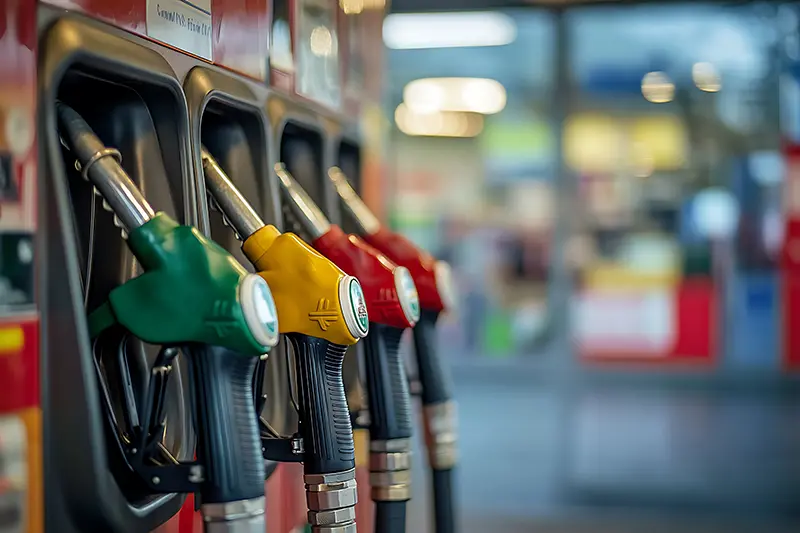
Madagascar extended its energy emergency for 15 days as fuel supply tensions persist and disruptions continue to affect several service stations across the country.
The Council of Ministers approved the extension on April 23 to stabilize a fuel market under pressure. Authorities said the measure aimed to strengthen control over supply chains and prevent further distribution disruptions.
Under the emergency framework, the government retains powers to regulate pump prices and directly intervene in fuel imports and distribution. As a result, authorities maintain broader coordination over national supply flows.
In addition, the government continues to suspend the automatic fuel pricing adjustment mechanism. This decision prevents immediate transmission of international price fluctuations to domestic consumers.
Authorities attributed the ongoing tensions to logistical bottlenecks and financial constraints affecting petroleum imports. They also cited rising global costs and extended delivery times as contributing factors.
The extension follows earlier emergency measures introduced to stabilize the fuel sector amid repeated shortages and uneven supply across stations.
Domestic fuel prices remain frozen
The Office Malgache des Hydrocarbures kept regulated fuel prices unchanged in April 2026 compared with March levels. The agency set diesel at 4,660 ariary per liter (about $1.12), gasoline at 4,900 ariary ($1.18), and kerosene at 3,510 ariary ($0.85). However, government data published by local media 2424.mg showed that the import cost of diesel reached around 6,000 ariary per liter ($1.45) before freight, handling and distribution costs.
As a result, the state absorbs the gap between import and retail prices, increasing pressure on the national budget. This subsidy burden adds to existing economic vulnerabilities. The World Bank and the International Monetary Fund project inflation at 8.3% in 2026, while economic growth remains limited to 3.6%.
Moreover, the World Bank estimates that 66.5% of the population lives below the poverty line, which leaves households highly exposed to any rise in energy costs.
Conditions are more severe in the southern region of the country. A report from the Famine Early Warning Systems Network indicates that populations in the Grand Sud remain in crisis (IPC Phase 3) through September due to extreme drought and cyclone damage.
In this context, any increase in fuel prices would likely intensify pressure on food supply chains and worsen food insecurity.
Related Articles
South African rand falls to 3-month low as soaring...
09 Mar, 2026 08:35
NamPower warns N$700 million in unpaid bills threa...
17 Mar, 2026 08:20
Middle East oil becomes most expensive in the worl...
17 Mar, 2026 08:43
Libya’s NOC launches Faragh-Brega pipeline project...
17 Mar, 2026 09:32
TotalEnergies’ global output down 15% amid Middle ...
17 Mar, 2026 09:39
Why Ethiopia’s Gas-to-Fertilizer Bet Matters for E...
19 Mar, 2026 12:58
Alake Advocates Regional Hubs to Power Africa’s Mi...
23 Mar, 2026 10:09
NTPC, Africa50 Discuss Joint Power Projects and En...
23 Mar, 2026 10:24
India and Africa Advance Strategic Energy Partners...
23 Mar, 2026 10:29