Energy Markets

Ghana Fuel Prices: Petrol, Diesel Dip Oct. 16 as LPG Jumps 18.5%


By: OrePulse
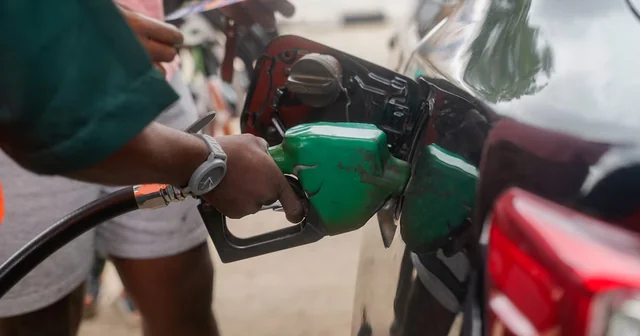
Pump prices for petrol and diesel in Ghana are set to edge down from October 16, 2026, even as the cost of liquefied petroleum gas (LPG) is projected to climb sharply, the Chamber of Oil Marketing Companies (COMAC) said.
COMAC, which represents companies that import and distribute fuel in Ghana, said petrol prices would fall by 1.20 to 1.67 percent in the new pricing window, bringing the price to about 17.67 cedis per liter. Diesel was projected to drop 2.60 to 3.32 percent, to roughly 19.60 cedis per liter.
LPG, which is widely used by Ghanaian households for cooking, was headed in the opposite direction. COMAC projected the price would climb 18.5 percent, to about 20.60 cedis per kilogram, a steep increase relative to the modest relief expected at the petrol and diesel pumps.
The chamber attributed the price movements to higher global crude oil costs and a weaker national currency. It said average crude prices rose 2.03 percent to 126.73 dollars per barrel amid supply concerns, citing Ukraine's response to a proposed energy ceasefire and attacks on Saudi Arabia among the factors affecting global supply. COMAC also pointed to government fuel subsidy measures and a cedi that depreciated 1.61 percent against the dollar, trading at about 11.82 cedis per dollar.
Ghana's National Petroleum Authority (NPA), the industry regulator, separately adjusted its minimum reference prices for the new pricing window. It lowered the floor price for petrol to 16.09 cedis per liter, down from 16.45 cedis, and cut the diesel floor to 17.09 cedis per liter, down from 17.97 cedis. The regulator raised its LPG floor to 13.87 cedis per kilogram, up from 11.10 cedis. These floor prices exclude the premiums and margins that individual oil marketing companies add on top of the regulator's benchmark figures.
The roughly 25 percent increase in the LPG floor price was larger than the 18.5 percent rise COMAC projected for pump prices. The pricing update did not explain the gap between the two figures.
Ghana's retail fuel prices move through periodic pricing windows that take into account international product costs, the cedi's exchange rate and the NPA's floor benchmarks, which is how shifts in crude markets and currency values feed through to both pump and cooking-gas prices. COMAC's latest projection points to modest relief for motorists even as households that depend on LPG for cooking face a steeper monthly bill. Both the petrol and diesel pump prices remained above the NPA's lowered floors, leaving room for individual companies to set their own margins within the new benchmarks.
The adjustments follow a period in early October when most oil marketing companies held pump prices steady in the month's first pricing window, after the government introduced an intervention that cut diesel prices by 2 cedis per liter.
Related Articles
Oil prices recoup losses, surge to $102.85 as supp...
17 Mar, 2026 08:01
Oil prices contract by 2.21 percent to $101.13 fol...
18 Mar, 2026 11:34
Oil prices rise to $107.34 as investors balance ge...
23 Mar, 2026 08:30
Oil prices rise 4 percent to $99.92 on renewed sup...
24 Mar, 2026 08:50
Oil prices plunge over 4 percent to $95.77 on easi...
25 Mar, 2026 08:12
Oil prices surge over 5 percent to $107 on Mideast...
02 Apr, 2026 08:38
Oil prices surge 0.59 percent to $109.67 as Strait...
06 Apr, 2026 07:40
Oil prices surge 1.65 percent to $111.58 following...
07 Apr, 2026 08:39
Oil prices plunge 13.61 percent to $94.40 followin...
08 Apr, 2026 08:27