Distribution

DR Congo and Zambia finalize cross-border electricity protocol


By: OrePulse
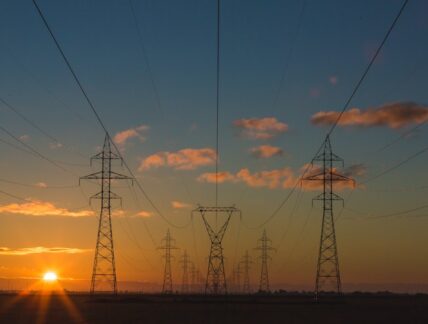
The Democratic Republic of Congo and Zambia finalized an intergovernmental protocol on electricity cooperation during talks in Kinshasa on November 19 and 20, covering new hydropower plants and a series of cross-border transmission links between the two countries' mining regions.
The protocol was initialed by the Democratic Republic of Congo's Minister of Hydraulic Resources and Electricity, Aimé Sakombi Molendo, and Zambia's Minister of Energy, Peter Kapala. Sakombi Molendo said the agreement marks a shift away from "a cooperation based on electricity exchanges" toward "a strategic cooperation focused on the joint development of our energy resources," a change he said reflects a more structured, longer-term approach to how the two countries plan and finance power infrastructure together.
Kapala said the two delegations "agreed on the way forward," referring to the roadmap set out during the talks. He said the two countries' heads of state are expected to sign the memorandum formally in Zambia the following week.
The protocol opens the electricity sector to private investment and sets out how the two governments will jointly develop generation and transmission infrastructure, treating cross-border interconnection as a driver of economic development rather than only a stopgap for supply shortfalls, according to the ministers.
Among the projects discussed were planned hydroelectric plants on the Luapula River, along with the transmission networks needed to carry their output, and several new links between Zambia's Copperbelt and the Democratic Republic of Congo's Haut-Katanga mining region. These include a backbone line connecting Kansanshi, Fungurume and Panda; a corridor linking Kasumbalesa and Chilabombwe to Karavia in Lubumbashi; a direct line between Kalumbila and Kolwezi routed through Sakabinda; and additional interconnections between Solwezi and Kolwezi, and between Luano and Kasumbalesa.
The talks also addressed unpaid bills owed by the Democratic Republic of Congo's state utility, SNEL, to Zambia's ZESCO, which has supplied emergency power to the Congolese grid in the past. Both sides said resolving the financial relationship between the two utilities was necessary to attract private investment in the planned infrastructure, rather than leaving new projects dependent on arrangements between the state companies alone.
The two delegations agreed on a roadmap, a timetable and a joint communique, and signed minutes of the meeting.
The Copperbelt and Haut-Katanga regions, which straddle the Zambia-Democratic Republic of Congo border, host much of both countries' copper and cobalt mining industry, and opening the sector to private investors was intended to help finance the new generation and transmission capacity set out in the protocol.
Related Articles
Nigeria’s Dangote boosts oil exports amid Africa's...
08 Apr, 2026 11:35
Nigeria faces jet fuel shortage as Strait of Hormu...
21 Apr, 2026 13:40
Togo advances PRIME-GAS plan to connect regional g...
11 May, 2026 09:13
Adnoc Gas opts for dividend despite revenue declin...
12 May, 2026 09:46
TotalEnergies Extends Angola Block 32 Operations T...
13 May, 2026 07:59
Oil rises after attack on UAE nuclear power plant...
18 May, 2026 11:14
Iraq’s oil exports via Hormuz drop to 10m barrels ...
18 May, 2026 11:20
Somalia to Import Power From Ethiopia, Energy Mini...
19 May, 2026 12:07
Kenya Seeks New Fuel Supplies Amid Mounting Social...
20 May, 2026 08:43