
Energy Markets

China's independent refiners boost Mideast crude as premiums fall


By: OrePulse
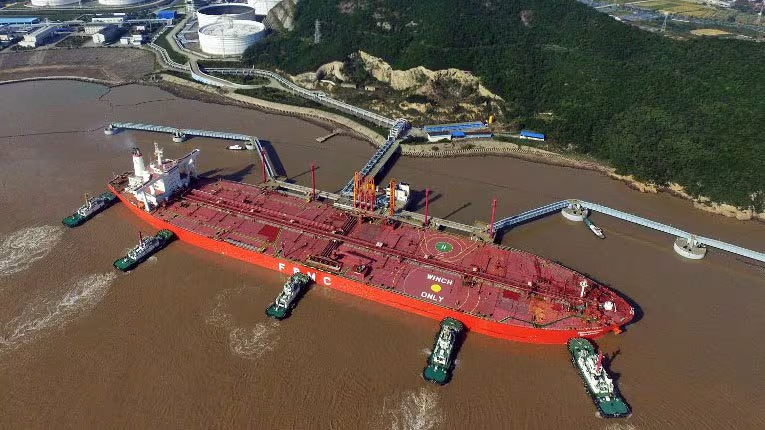
Chinese independent refiners increased their purchases of Middle East crude in mid-November, taking advantage of lower price premiums and improved crude flows from the Gulf as they worked to secure supply more cheaply before year-end, according to deal details relayed by market participants.
The pickup in Chinese demand coincided with a drop in Brent futures prices following the U.S. midterm elections, along with lower sea-freight costs, which made Gulf cargoes more attractive to refiners looking to use up their remaining crude-import quotas for the year.
China's Middle East purchases are gaining importance as the country's crude-supply mix shifts: Iranian oil flows have been disrupted by a U.S. naval blockade, and the cost of some Russian crude has risen, pushing independent refiners toward other sources offering more competitive prices.
Global trading houses played a central role in arranging and shipping the cargoes to Chinese refineries. ADNOC Trading sold volumes of Iraqi Basrah Medium and Basrah Heavy crude to an independent refinery in China's Shandong province for late-December delivery, at a premium of about $6 a barrel over March ICE Brent. Totsa sold 2 million barrels of Basrah Heavy to another independent Chinese refinery for January delivery at a premium of $7 to $8 a barrel over ICE Brent. Mercuria sold 2 million barrels of Upper Zakum crude from the United Arab Emirates to a third refinery, with cargoes due to arrive in the second half of January at a premium of about $8 a barrel over March Brent. Vitol sold 1 million barrels of Qatar's Al-Shaheen crude to a fourth Shandong refinery at a premium of about $9 a barrel over February Brent.
Iraqi oil topped the list of crudes sold in the deals, though Emirati and Qatari barrels also featured. Price premiums on Iraqi crude have fallen to single digits, drawing in Chinese refiners after trading houses lowered their offers as flows stabilized and supply improved.
Before the war, Iranian oil accounted for about 13% of China's seaborne crude imports, but Iranian shipments to the Chinese market have fallen almost to zero after roughly nine months of conflict because of the U.S. naval blockade. The rising cost of Russian oil has further boosted Iraqi crude's competitiveness, particularly as Baghdad has offered price discounts to attract buyers willing to route tankers through the Strait of Hormuz to load cargoes.
Mercuria and Vitol have been especially active in moving Iraqi oil to China: Mercuria alone sold up to 20 million barrels of Iraqi crude in recent weeks to at least eight independent Chinese refineries, delivering most of it directly to receiving ports in Shandong using its own and chartered tankers.
Prices recorded last week illustrated the gap between Iraqi crude and some Russian alternatives: Basrah Medium for December delivery traded at a premium of $13 a barrel over ICE Brent, versus $11 for Basrah Heavy, while Russian ESPO crude was offered at a premium of up to $24 a barrel over the same benchmark—making Iraqi oil the more cost-competitive option for Chinese buyers.
Related Articles

Oil prices jump 4.48 percent to $105.77 as Strait ...
11 May, 2026 08:49
Oil prices rise 0.72 percent to $104.96 as global ...
12 May, 2026 07:10
Oil prices drop 1.39 percent to $106.27 as Strait ...
13 May, 2026 07:51
Oil prices rise to $107 as China expresses interes...
15 May, 2026 06:55
Oil prices surge as Brent tops $111, WTI rises 2.2...
18 May, 2026 09:12
Oil prices fall over 2 percent as Trump signals Mi...
19 May, 2026 07:47
Brent drops 0.17 percent to $110.79 as WTI slips 0...
20 May, 2026 07:02
Oil prices rise above $105 as concerns persist ove...
22 May, 2026 07:33
Oil prices drop over 5 percent to two-week lows on...
25 May, 2026 07:44