Generation

ACWA Power's 5GW Turkey plan moves ahead with new 3GW wind pact


By: OrePulse
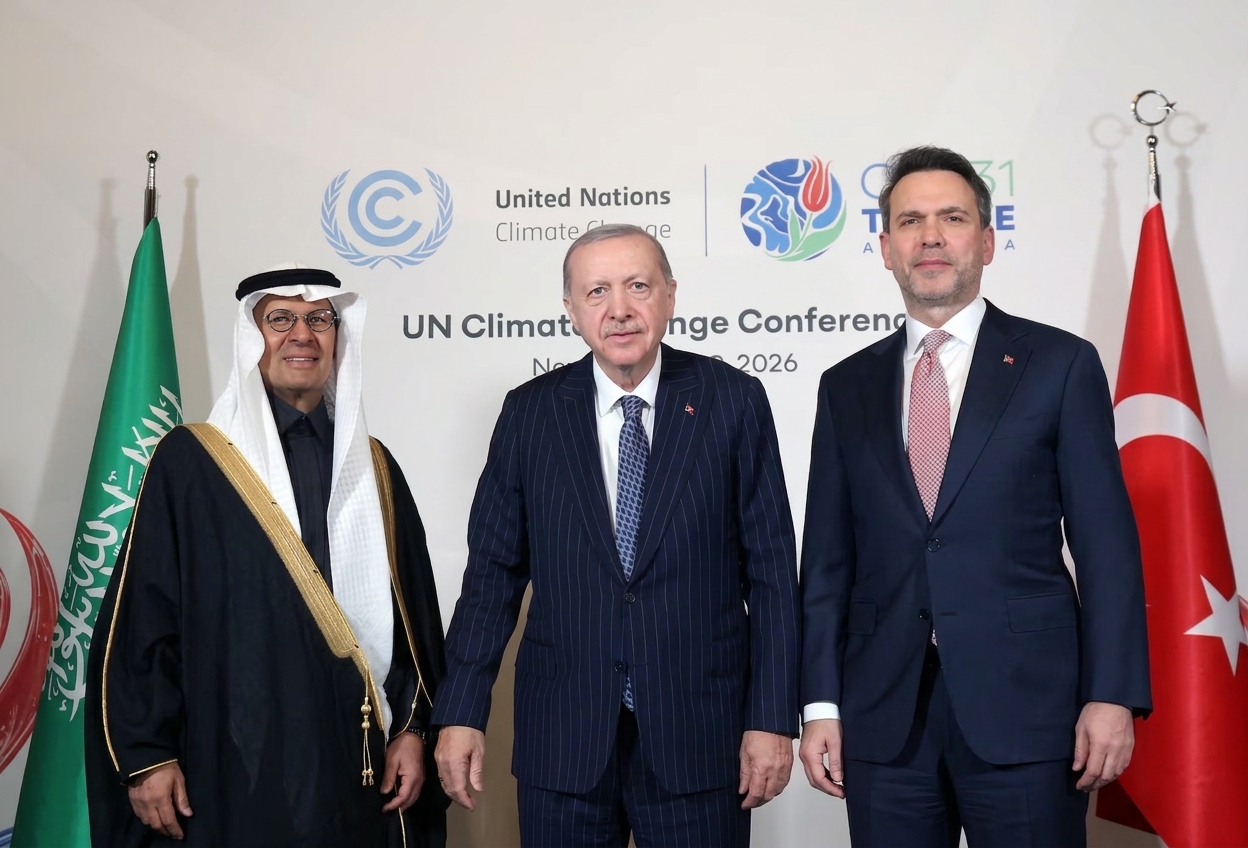
Saudi Arabia and Turkey signed a memorandum of understanding on electricity cooperation on the sidelines of the COP31 climate conference in Antalya, Turkey, advancing a second phase of 3,000 megawatts of wind power development within a wider 5,000-megawatt renewable energy program led by Saudi developer ACWA Power.
Prince Abdulaziz bin Salman, the Saudi Minister of Energy and Minister of Industry and Mineral Resources, and Alparslan Bayraktar, Turkey's Minister of Energy and Natural Resources, signed the memorandum on November 11. Turkish President Recep Tayyip Erdogan attended the signing ceremony, held on the margins of COP31, the United Nations climate summit being hosted in the Turkish coastal city this year.
The new memorandum builds on a renewable energy cooperation agreement the two countries signed on February 3, 2026, which took effect on October 21, 2026. That earlier agreement set out plans for 5,000 megawatts of renewable capacity to be developed in Turkey in two phases, with ACWA Power named as the Saudi-designated investor responsible for carrying out the program.
The program's first phase covers 2,000 megawatts of solar power in the Turkish provinces of Sivas and Karaman. Saudi Arabia has committed about $2 billion to the solar installations, which officials said should be enough to supply roughly 2.1 million households with electricity once they are completed. Officials said the solar phase is being funded entirely from outside Saudi Arabia, including credit extended by international financial institutions, and that progress has been made on building out the projects.
The second phase, the 3,000 megawatts of wind power addressed in the Antalya memorandum, has reached an advanced stage, officials said. It is to be supported by high-voltage direct current transmission lines, which move electricity over long distances with lower losses, along with battery energy storage facilities. Turkish officials said the planned wind additions would represent roughly 20% of the country's existing installed wind power base. The Antalya memorandum carries that wind phase forward; it does not enlarge a wind facility already running, according to the available official accounts.
Bayraktar said, "We are deepening our strategic energy cooperation with Saudi Arabia." Announcing the earlier solar phase, he had described the investments as "one of the most important examples of direct foreign investment" in Turkey's energy sector.
Turkish officials said meeting the country's low-carbon capacity targets would require adding about 10 gigawatts of new generation capacity every year, a pace that underscores the role foreign-backed programs such as the ACWA Power project are expected to play in Turkey's broader power build-out over the coming years.
Saudi Arabia aims to generate about 50% of its electricity from renewable sources by 2030 and to reach net-zero emissions by 2060, targets set under the kingdom's Vision 2030 economic diversification plan. The Turkey program is among the overseas renewable energy commitments Saudi Arabia has made as it works toward those goals, with ACWA Power acting as the implementing developer for both the solar and wind phases.
Taken together, the two phases amount to 5,000 megawatts of renewable generation capacity for Turkey, split between the 2,000 megawatts of solar already under development in Sivas and Karaman and the 3,000 megawatts of wind power now moving toward construction and full financing under the memorandum signed in Antalya. Officials from both countries framed the signing as a step toward implementing the cooperation agreement that entered into force last month, rather than as a new standalone commitment.
The energy ministries of Saudi Arabia and Turkey are expected to continue coordinating on project implementation, financing and technical planning as the wind phase advances, according to the available official accounts of the signing. No completion date for either phase was given in those accounts.
Related Articles

TotalEnergies discovers hydrocarbons in Congo near...
13 Apr, 2026 09:36
Africa, Southeast Asia drive China solar panel exp...
22 Apr, 2026 10:33
Iraq advances Basra solar project, a step towards ...
28 Apr, 2026 13:28
Adnoc Drilling plans $263m dividend after revenue ...
11 May, 2026 11:34
Egypt Plans Rooftop Solar Program for 7,000 Factor...
13 May, 2026 08:12
Masdar JV gets development approval for UK wind fa...
15 May, 2026 09:37
EWEC targets major solar growth across Abu Dhabi...
18 May, 2026 11:10
Abu Dhabi-listed TAQA says capex surges 46% to $87...
19 May, 2026 10:10
Niger and China Settle a Year of Oil Tensions...
20 May, 2026 08:36