Generation

Zimbabwe Nears Launch of Africa’s First Lithium Sulphate Plant, Boosting Clean Energy Ambitions


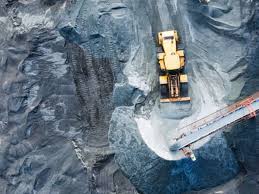
Situated at Huayou’s Bikita Mine, the plant is being developed by Prospect Lithium Zimbabwe (PLZ) in collaboration with China’s Zhejiang Huayou Cobalt Co. It ranks among the largest recent investments in Zimbabwe’s mining industry, with capital outlays estimated at about USD 500 million. The project has entered the equipment commissioning stage, indicating that full operations are close.
When production begins, the facility is expected to generate over 60,000 metric tonnes of lithium sulphate each year. This refined material is a critical input for electric vehicle batteries and renewable energy storage technologies. Output is scheduled to start in the first quarter of 2026. PLZ general manager Henry Zhu said in October 2025 that initial production would commence early next year, noting that final volumes would depend on the plant’s configuration, given its new design.
Lithium, widely dubbed “white gold,” has become essential to the global energy transition. Zimbabwe’s entry into lithium sulphate processing marks a deliberate shift from exporting raw minerals to value-added beneficiation, enabling the country to retain more economic value while embedding itself more deeply in international clean energy supply chains.
The project’s impact extends beyond industrial production. Reports indicate that it is contributing to wider industrialisation goals while supporting investments in infrastructure, environmental stewardship, healthcare, and education. These efforts are expected to drive meaningful development in nearby communities. A company spokesperson described the plant as a catalyst for economic change, emphasising its role in job creation, community empowerment, and Zimbabwe’s integration into strategic global markets.
Zimbabwe has already cemented its position as Africa’s leading lithium producer, recording the continent’s highest output in 2024. Production is forecast to reach 160,000 tonnes of lithium carbonate equivalent by 2030, surpassing other regional producers. In the first half of 2025, the country sold 586,197 metric tonnes of lithium spodumene concentrate, representing a 30 percent rise year-on-year.
Related Articles
Parliament Committee says no need to review three ...
10 Sep, 2024 07:57
Zimbabwe’s Biggest Miners Seek $182 Million for So...
12 Sep, 2024 06:57
GreenGo Energy Expands into Namibia with Strategic...
12 Sep, 2024 07:51
OPEC Fund approves $1.2 billion for development pr...
13 Sep, 2024 08:59
Floating solar starts to gather pace in Africa, as...
13 Sep, 2024 13:18
Prominent South African energy company files for l...
16 Sep, 2024 11:00
Libyan Export Decline and Fed Speculation Propel O...
17 Sep, 2024 08:00
South Sudan says it is ready to restart pumping oi...
17 Sep, 2024 13:23
Interest grows in Africa’s oil and gas hotspot...
18 Sep, 2024 10:42