
Metal Markets

Gold prices surge to $4,820 as UAE rates climb amid shifting Fed expectations silver recovers to $83


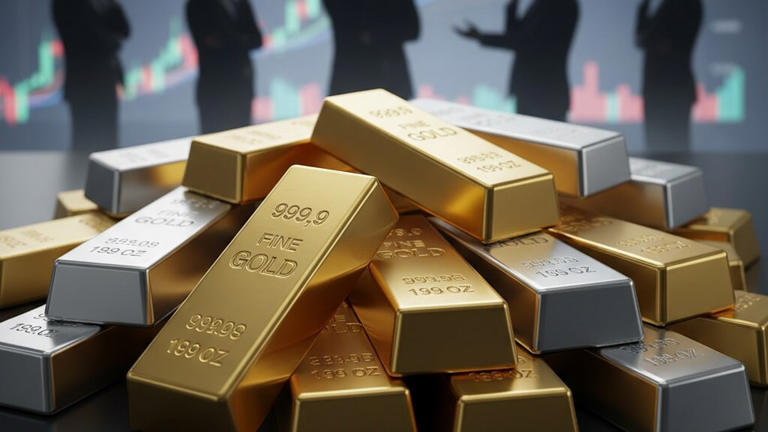
Gold prices entered Tuesday amid cautious consolidation, seeking stability after a tumultuous start to the month. Following a January that brought bullion prices close to record highs due to rising geopolitical tensions, the narrative has shifted significantly within just the first seventy-two hours of February.
Globally, spot gold was seen trading at $4,827.82 per ounce on Tuesday, reflecting a modest recovery of 4.11 percent after a sharp sell-off in the previous session. Additionally, U.S. gold futures rose 4.43 percent to $4,858.40. Silver also followed a similar pattern, hovering 7.71 percent higher at $83.12 per ounce as traders weighed the impact of a resurgent U.S. dollar against a brightening outlook for global trade.
In the UAE, gold rates have risen, with 24-carat gold up by AED15.50 to AED579.75. Similarly, 22-carat gold saw an increase of AED14.50, reaching AED537.00. Meanwhile, 21-carat gold gained AED13.75 to reach AED514.75, and 18-carat gold rose by AED11.75, now priced at AED441.25.
The primary driver of the current market stabilization is the dual impact of American domestic policy and international diplomacy. On the domestic front, the nomination of Kevin Warsh to succeed Jerome Powell as Federal Reserve Chair has sent shockwaves through the fixed-income and commodities markets. Warsh, known for his historically hawkish stance on inflation and monetary discipline, is expected to maintain a higher-for-longer interest rate environment when he takes the helm in May. This “Warsh Effect” has significantly bolstered the U.S. dollar, which reached its highest level in over a week on Tuesday. Because gold and silver are priced in the greenback, a stronger dollar naturally pressures these assets, making them more expensive for international buyers and dampening the “inflation hedge” appeal that drove prices higher throughout 2025.
Geopolitical shifts impacting gold
Parallel to the Fed’s new direction is a sudden and surprising de-escalation in the Middle East. Over the weekend, President Donald Trump announced that the United States and Iran are prepared to engage in high-level nuclear negotiations in Türkiye this coming Friday. For much of the winter, gold prices carried a “war premium” of nearly $100 per ounce as analysts feared a direct military confrontation in the Persian Gulf. However, the prospect of a diplomatic breakthrough has effectively erased that premium. Market participants are now interpreting the scheduled Turkey summit as an encouraging step back from confrontation, prompting a rotation out of safe-haven assets like gold and into riskier equities, which saw a notable bounce in Asian and European trading on Tuesday morning.
The currency markets provided additional headwinds for gold as the Australian dollar surged following a surprise move by the Reserve Bank of Australia. The RBA raised its benchmark interest rate by 25 basis points, citing persistent service-sector inflation and a robust domestic labor market. This move hoists the Aussie dollar and reinforces a global trend of central bank tightening that challenges non-yielding assets. When interest rates rise globally, the opportunity cost of holding gold—which pays no dividend or interest—increases significantly. This dynamic was evident as institutional investors trimmed their holdings in gold-backed exchange-traded funds (ETFs) for the third consecutive day, seeking higher returns in the bond and currency markets.
Metals market technical outlook
Silver’s performance on Tuesday reflected its unique position as both a precious metal and a critical industrial commodity. While it suffered from the same dollar-related pressures as gold, silver found some underlying support from the burgeoning “green energy” sector. As the second Trump administration emphasizes domestic manufacturing and high-tech infrastructure, the demand for silver in solar panel production and electric vehicle components remains a structural pillar for the market. However, silver’s sensitivity to broader commodity trends saw it dip toward $28.90 earlier in the day before buyers stepped in at the psychological $29.00 level. Analysts suggest that silver will remain highly volatile in the coming weeks, acting as a “beta” play on both the U.S. dollar and the success of the upcoming Turkey-Iran summit.
The technical outlook for gold suggests a period of range-bound trading as the market awaits the outcome of Friday’s negotiations. Currently, $2,350 per ounce acts as a critical support level; a breach below this could see gold test the $2,300 mark, a level not seen since the early autumn of 2025. Conversely, if the talks in Turkey stall or if geopolitical rhetoric turns aggressive again, gold could quickly reclaim its $2,450 resistance zone. Traders are also closely monitoring the U.S. Treasury yields, which have remained elevated following the Warsh nomination, further cementing the view that the era of “easy money” is firmly in the rearview mirror.
Shifting global gold demand
In China, the physical demand for gold remains a wild card. While the People’s Bank of China has slowed its official gold purchases in recent months, private demand among Chinese consumers remains high as they seek refuge from a volatile domestic property market. Reports from the Shanghai Gold Exchange on Tuesday indicated steady premiums, suggesting that despite the global sell-off, the floor for gold may be higher than historical averages due to persistent Eastern demand. This bifurcation between Western institutional selling and Eastern retail buying is expected to be a defining theme of the 2026 metals market.
Related Articles

Saudi Arabia champions global partnerships to powe...
21 Oct, 2025 06:51
Can Turkey Become a Rare Earth Element Power?...
23 Oct, 2025 13:24
Orion Minerals Set to Develop Secure, Responsible,...
23 Oct, 2025 14:12
Investing in Platinum Stocks...
24 Oct, 2025 06:56
Copper And Aluminum Prices Climb As Supply Worries...
24 Oct, 2025 07:09
Dubai 24-carat gold prices dip AED3.75 as global r...
24 Oct, 2025 12:06
Bauxite sales up but tariffs on Chinese metal ship...
27 Oct, 2025 13:15
Angola bids for majority stake in De Beers, source...
28 Oct, 2025 07:02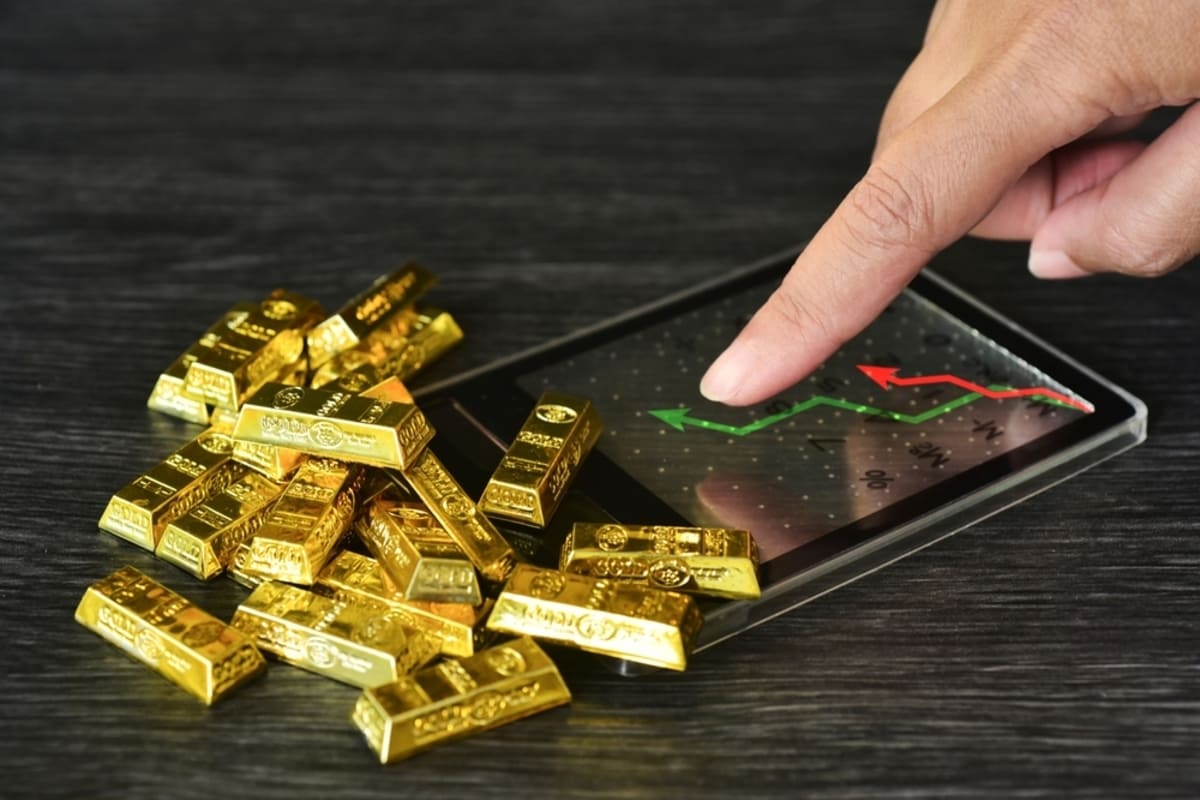
Dubai 24-carat gold price today drops AED479; glob...
28 Oct, 2025 08:15