
Logistic Other

UAE, Saudi Arabia and India set to lead global aviation growth with order backlog of over 3,000 aircraft


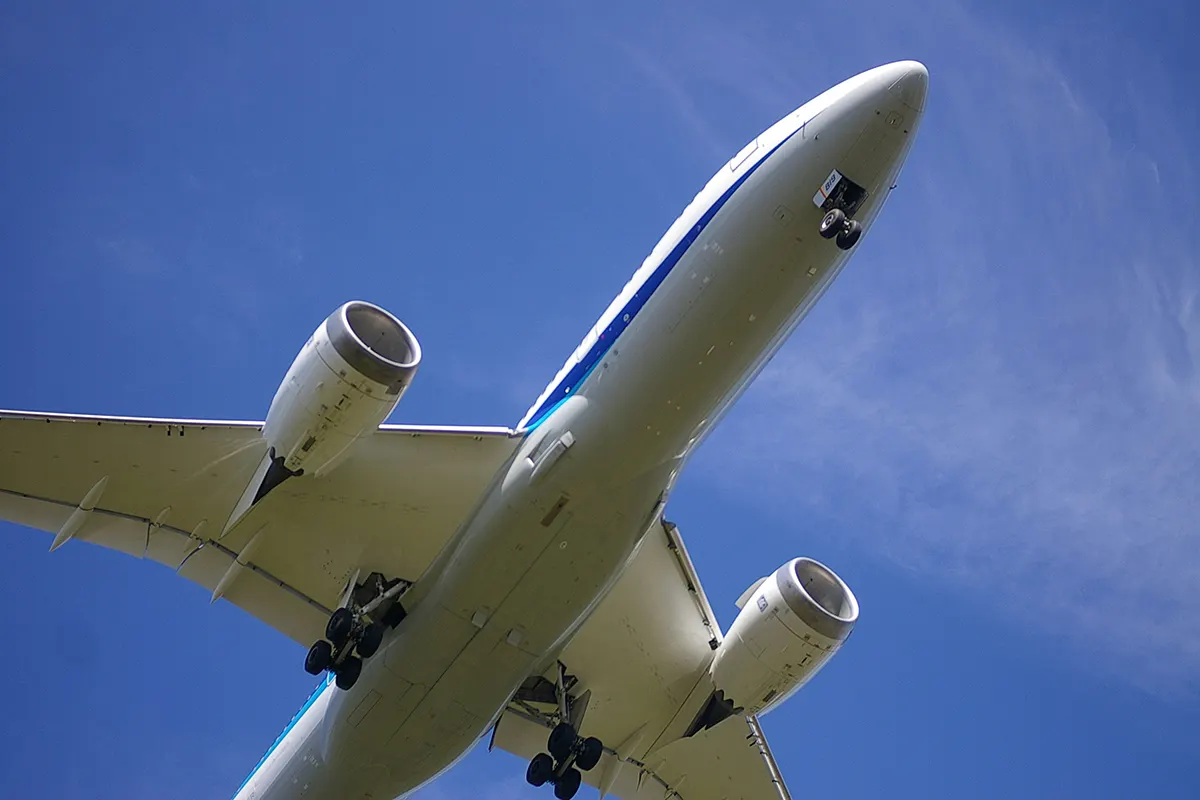
The UAE, Saudi Arabia and India are positioned to lead aviation’s next growth cycle, with the three countries’ combined order backlog at over 3,000 aircraft, said aviation lessor Avolon in its latest report. This represents more than double the current in-service fleet, with 900 aircraft to be delivered over the next 3 years.
The continuation of low fuel prices and economic growth is expected to help global airline industry profits reach $41 billion in 2026. This year is set to mark the fourth consecutive profitable year for the sector, helping airlines to recover over 80 percent of the $182 billion lost during the pandemic.
Demand fundamentals remain positive, but airlines risk missing out on growth opportunities due to the persistent structural undersupply of aircraft. Order backlogs at Airbus and Boeing now extend to over 11 years. The ongoing supply shortage will support higher lease rates and strong residual values, while increasing the strategic value of lessor-held slots for under-ordered airlines, said the report.
Regional growth to remain varied
Regional growth will be varied. India, the UAE and Saudi Arabia are emerging as the next growth regions for the aviation sector. European growth is being driven by low-cost carriers as the majors focus on consolidation.
Meanwhile, U.S. network carriers are transitioning into lifestyle brands that run highly profitable loyalty and credit card businesses, while low-cost carriers continue to struggle as they work to realign their networks and products.
Asia-Pacific is limited by fleet constraints, with China having a near-term requirement for 1,000 new aircraft.
Lower fuel prices were a key driver for airline performance in 2025, with $8 billion in reduced fuel expenses accounting for a fifth of the airline industry’s net profits. This trend is expected to continue in 2026, helping airlines further repair their balance sheets despite operational challenges and increasing labor and maintenance costs.
“Global connectivity and economic growth continue to be supported by the aviation sector, underpinned by strong demand and lower fuel costs. India, the UAE and Saudi Arabia are emerging as the next engines of aviation growth with order backlogs that are double their current in-service fleet. With an industry requirement to finance around $120 billion of new aircraft in 2026, lessors will continue to play a vital role as a driver of the transition of the global fleet to lower emissions new-technology aircraft,” said Jim Morrison, Chief Risk Officer of Avolon.
Market shifts toward larger aircraft variants
Despite the uncertain geopolitical backdrop, large investment decisions are being made with orders for over 2,000 new aircraft placed with Airbus, Boeing and Embraer in 2025. The market is shifting toward larger aircraft variants, with the A321neo outselling the A320neo aircraft three-to-one over the past three years.
The A330neo is benefiting as the only new passenger widebody available before 2032. Engine manufacturers are increasing shop visits and spare part pricing at rates well above general inflation as they manage higher input costs and deliver rising shareholder returns. The market value of two full-life engines now represents around 80 percent of a new aircraft’s value.
The report also notes that a structural re-rating of the aircraft leasing business model has occurred, with eleven lessors now achieving investment-grade ratings, positioning them to outperform in a market of scarce aircraft. Around $120 billion of new aircraft are expected to be delivered in 2026, up 20 percent on last year. With lessors expected to provide around half of the global fleet’s overall financing requirements, their importance in supporting the transition to lower emissions, new-technology aircraft has never been stronger.
“Airline financial performance continues to strengthen, with the industry expected to record its fourth consecutive year of profitability. Airlines’ ability to capture sector tailwinds will be impacted by a shortage of new aircraft deliveries and the long order backlogs at Airbus and Boeing. Well-capitalized lessors with order books of new-technology aircraft are strongly positioned to outperform in the current market,” added Morrison.
However, the rapid growth of AI is intensifying competition with aviation for capital and talent. Geopolitical risk will continue to be in focus in 2026, and whilst tariff fears for aviation subsided in 2025, they remain a sensitive issue. Economic growth proved resilient in 2025; 80 of the largest economies grew by more than 1 percent and 90 are expected to do so in 2026, with none expected to shrink.
Related Articles

South African table grape industry and Transnova A...
22 Oct, 2025 08:25
Spiro Raises US$100 Million in Africa’s Largest-Ev...
22 Oct, 2025 09:33
NXN and SAEED unite within Sharjah’s logistics sec...
24 Oct, 2025 07:48
TAHA Unveils HortiMarket A Digital Platform Revolu...
24 Oct, 2025 08:21
Chinese technology takes center stage at Ghana's t...
27 Oct, 2025 09:17
Kenya Airways flies first African route, from Nair...
27 Oct, 2025 09:23
Madbouly inaugurates $85mln DP World's logistics p...
27 Oct, 2025 12:56
Airbus cargo outlook shows 3.3% annual growth and ...
28 Oct, 2025 08:21
Nominations now open for the Logistics Saudi Award...
28 Oct, 2025 08:27