Logistic Other

TLM’s T4 shows us what’s next for chemical logistics in the Middle East


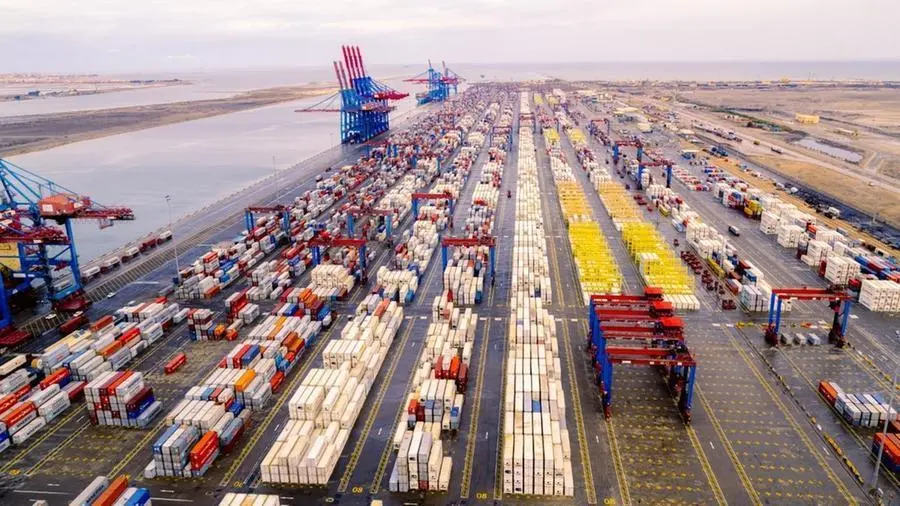
The GCC's chemical export market, valued at over $60 billion, is driving a significant transformation in the region's logistics landscape. This shift moves the focus from sheer scale and throughput to specialized infrastructure that prioritizes safety, traceability, and regulatory maturity. Chemical logistics, once a niche field, has now become a strategic pillar for Gulf economies as they commit tens of billions of dollars to expand their downstream and specialty chemical industries.
This growth presents a unique complexity challenge. The storage and movement of chemicals involve managing products that can be flammable, corrosive, or temperature-sensitive, requiring a sophisticated intersection of regulation, science, and risk management. As these chemicals increasingly supply end-user industries like pharmaceuticals, automotive, and renewables, the logistics supply chain must guarantee precise segregation, multi-temperature control, and full regulatory compliance across all borders and transport modes.
Dubai has established a distinct maturity advantage in this competitive field. Its strength lies in the powerful combination of multimodal connectivity through hubs like Jebel Ali Port and Al Maktoum International Airport, a clear and established regulatory framework, and industrial free zones that enable compliant value-added services. This regulatory clarity, including well-defined frameworks for handling dangerous goods, removes a major barrier to investment for global operators.

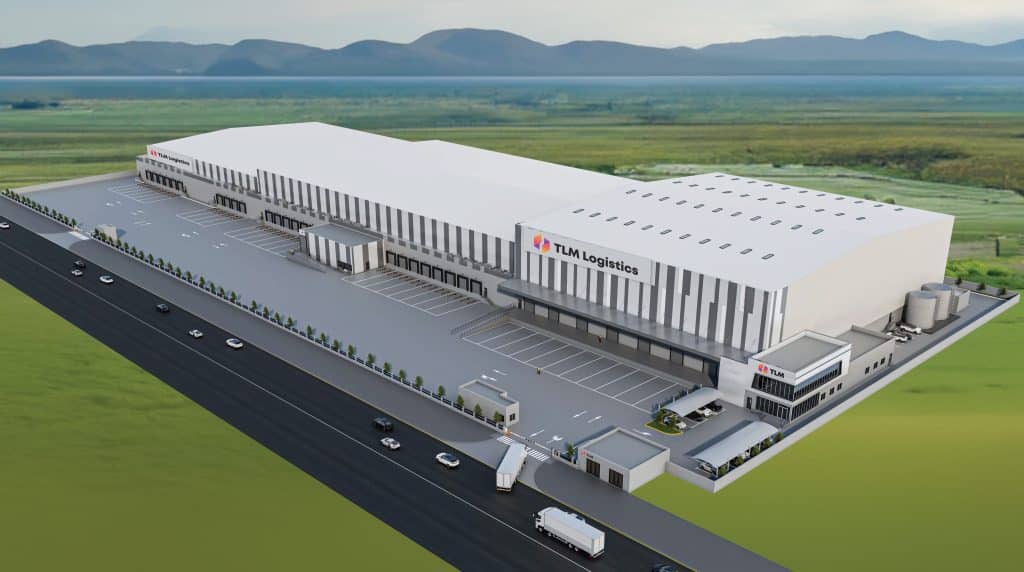
The recently opened T4 facility by TLM Logistics exemplifies the new standard for chemical warehousing in the region. Unlike traditional warehouses retrofitted for dangerous goods, T4 is a purpose-built facility within Dubai Logistics City, designed from the ground up for complex, regulated inventories. Its key features include a massive footprint, dedicated chemical zones, an advanced fire suppression system, and temperature-controlled chambers, all integrated with direct multimodal access.
This specialized infrastructure provides shippers with tangible business advantages, including faster cross-border movement, reduced dwell times, and lower compliance risk, which directly influences the total cost of risk. The facility is a direct response to the market's shift towards higher-value chemical industries, which demand services aligned with international standards like GMP/GDP, batch traceability, and value-added logistics.
Competition in the region is intensifying as GCC governments push to localize manufacturing in sectors such as EV battery materials and industrial coatings. This is attracting global distributors and logistics providers, forcing the entire sector to evolve. International manufacturers now actively seek logistics partners with proven dangerous goods track records, demonstrable compliance to reduce insurance costs, and the flexibility to handle diverse, high-value inventories.
The Middle East's chemical logistics market is now entering a value-driven maturity stage, shaped by key trends. These include rising demand for specialty chemicals, a trend toward near-shoring supply chains with Dubai as a central hub, and tightening ESG and regulatory requirements. These forces collectively favor logistics markets that can offer a combination of global connectivity, regulatory clarity, and scalable, compliant infrastructure.
Related Articles
South African table grape industry and Transnova A...
22 Oct, 2025 08:25
Spiro Raises US$100 Million in Africa’s Largest-Ev...
22 Oct, 2025 09:33
NXN and SAEED unite within Sharjah’s logistics sec...
24 Oct, 2025 07:48
TAHA Unveils HortiMarket A Digital Platform Revolu...
24 Oct, 2025 08:21
Chinese technology takes center stage at Ghana's t...
27 Oct, 2025 09:17
Kenya Airways flies first African route, from Nair...
27 Oct, 2025 09:23
Madbouly inaugurates $85mln DP World's logistics p...
27 Oct, 2025 12:56
Airbus cargo outlook shows 3.3% annual growth and ...
28 Oct, 2025 08:21
Nominations now open for the Logistics Saudi Award...
28 Oct, 2025 08:27