
Energy Other

The LNG market’s most fragile moment in a decade


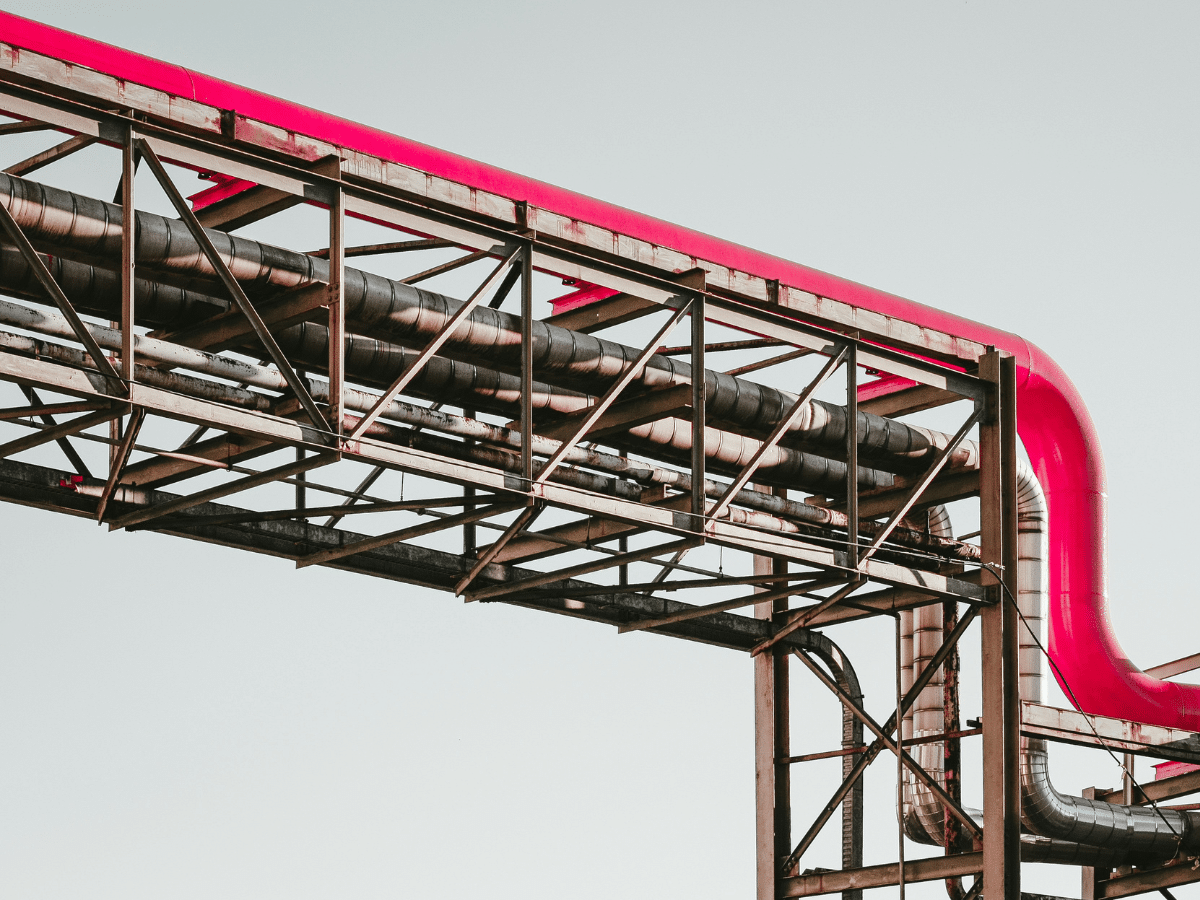
The global liquid natural gas (LNG) market is entering a high risk phase as supply reliability tightens across multiple corridors and buyers compete for fewer uncommitted cargoes. QatarEnergy has declared force majeure on LNG shipments after halting production, removing a supplier that shipped 80.97 million metric tonnes in 2025 and representing roughly a fifth of global LNG exports. Demand centres in Asia and Europe are exposed to rapid price discovery because the market holds limited spare liquefaction capacity and shipping availability is deteriorating in parallel with supply.
The resulting imbalance is amplified by constraints on maritime traffic through the Strait of Hormuz, which normally carries around a fifth of global oil and gas flows and also serves as the sole route for Qatar’s LNG exports. With transits reduced, freight costs have risen sharply and charterers are paying insurance premia that can exceed the underlying margin on some spot trades. Reuters reported that chartering a crude carrier for a Gulf to Asia voyage has reached around $30 million, a level that signals broader stress across tanker and gas shipping markets.
The market’s main balancing supplier
Qatar’s immediate importance to LNG is not only its scale but its role as a volume stabiliser for long haul buyers. Long term contracts cover much of its production, yet the market depends on reliable loading schedules to manage seasonal demand and storage. When a producer of this size declares force majeure, portfolio sellers and utility buyers are pushed toward short term procurement, which tightens prompt pricing and reduces flexibility for downstream distributors.
Liquefaction shutdown and restart processes are technically complex and could require weeks to restore capacity, with a staged cooldown and reactivation sequence needed to protect equipment. That timeline matters because the northern hemisphere is approaching a period when European storage levels and Asian cooling demand begin driving competing call options for the same cargo pool. Qatar’s storage at Ras Laffan can buffer only a limited number of loadings, meaning the disruption converts rapidly into a physical availability problem for importers.
The commercial implication is straightforward. More buyers are chasing fewer cargoes while shipping capacity is also being rationed by risk pricing. That combination typically pushes volatility higher than the move in the headline benchmark, since delivered cost is shaped by shipping, insurance, port congestion and contract optionality rather than commodity price alone.
Freight and insurance costs
Even if benchmark LNG prices rise moderately, delivered prices can jump much faster once freight and risk premia rise. A key feature of the current disruption is the speed at which shipping conditions have changed, with some charterers pausing fixtures entirely and others only proceeding under enhanced cover. Washington’s proposal to offer political risk insurance and financial guarantees, combined with the possibility of naval escorts, would require substantial international coordination and would not restore normal flows quickly.
For LNG specifically, higher voyage risk tends to compress the effective supply curve. Modern LNG carriers are limited in number and often tied to long term employment. When charterers price risk into the voyage, marginal ships shift away from the corridor, reducing available tonnage for flexible trades. This pushes up the cost of diversion and encourages sellers to prioritise term customers with stronger contractual protections, leaving spot buyers facing wide bid offer spreads.
The shipping premium is also interacting with physical bottlenecks on the producer side. Storage constraints are forcing some Gulf producers to curb output within days if exports cannot clear, with Saudi Arabia and the UAE drawing on pipelines and onshore storage to manage flows while capacity limits remain binding. While those figures relate primarily to crude logistics, they illustrate a wider regional issue that affects gas condensate movements, marine fuel availability and port operating tempo, all of which feed into LNG voyage planning.
Europe’s supply strategy
Europe’s LNG dependence has increased since 2022, and the region has also been tightening regulatory pressure on legacy pipeline relationships. On 26 January 2026, EU countries gave final approval to a stepwise ban that halts Russian LNG imports by end 2026 and pipeline gas by 30 September 2027, with limited flexibility to shift the deadline to 1 November 2027 if storage filling becomes difficult.
This policy backdrop means European utilities have less room to manage a short term LNG shock by leaning on legacy supply. Russian President Vladimir Putin has publicly floated the idea of stopping gas supplies to Europe earlier than the EU timetable, framing the decision as a commercial response to higher prices in alternative markets. Even without an immediate policy change, the signalling adds uncertainty to forward supply assumptions and can lift risk premia embedded in winter contracts.
The market impact is magnified because Europe’s LNG procurement is highly price sensitive at the margin. If Asian buyers bid up spot cargoes, Europe may be forced to draw storage more aggressively or pay for longer haul diversions from the Atlantic Basin. That pushes up regasification utilisation and can strain inland distribution, especially during periods when industrial demand competes with residential needs.
Asia faces competition
Asia accounts for a large share of global LNG demand, and many buyers rely on delivered cargoes to support power generation and industrial use. When a major producer cannot load, the regional effect is not uniform. Portfolio buyers with diversified supply and floating storage can mitigate disruption. Smaller utilities and newer importers often have less flexibility and may be exposed to spot market prices and vessel availability.
Qatar’s 2025 export volume of 80.97 million metric tonnes, indicates how much of the global system is indirectly indexed to Qatar’s loading cadence. Any extended outage forces contract counterparties to activate contingency plans, including increasing drawdowns, switching fuel in power generation, or seeking temporary cargo swaps. Those adjustments usually carry a cost that is not captured by the commodity price. It appears in grid balancing expenses, industrial curtailments, and higher shipping and insurance line items.
In parallel, uncertainty around key sea lanes encourages some buyers to reprice contract flexibility, including diversion rights and destination clauses. That repricing can persist even after physical supply returns, because counterparties update their view of tail risk and incorporate it into contract renewals and portfolio planning.
Limited mitigation tools
Policy responses are being deployed, yet their capacity to deliver near term relief is limited. The US plan to provide political risk insurance, financial guarantees and potential escorts are a complex undertaking that could take days or weeks to organise at scale. In a market where storage can fill quickly and liquefaction restarts are measured in weeks, the timing gap matters more than the intent.
On the supply side, incremental LNG from the US and other producers can help, but spare capacity is limited and much of it is already contracted. On the demand side, fuel switching can reduce gas burn in some power systems, yet that option is constrained by environmental rules, plant configuration and fuel availability. For many importers, the lever is price, which means clearing the market through demand destruction rather than through additional supply.
Should risk provisions not be immediate and strategic inventories prove insufficient, the LNG market is likely to remain in a high volatility environment where delivered costs outpace benchmarks and contract performance becomes a critical operational risk.
Related Articles
Kuwaiti oilfield comes onstream officially after 1...
22 Sep, 2025 12:56
African Energy Week (AEW) 2025: Unlocking the Pote...
22 Sep, 2025 13:22
South Africa warns illegal car imports threaten ne...
23 Sep, 2025 06:31
South Africa Confronts EU Carbon Border Mechanism...
23 Sep, 2025 12:33
South Africa, China Deepen Investment Ties in Key ...
24 Sep, 2025 07:35
Raysut Cement’s Expansion into Libya and North Afr...
24 Sep, 2025 07:40
Nextchem opens regional office in Abu Dhabi...
24 Sep, 2025 08:10
Ghanaian students win top honours in IAEA’s Female...
24 Sep, 2025 09:32
Key Sectors Linking Mauritania and Gambia...
24 Sep, 2025 09:40