Sea

Moses parts the Red Sea Israel’s strategic challenges as new routes emerge


A Strategic Megaproject
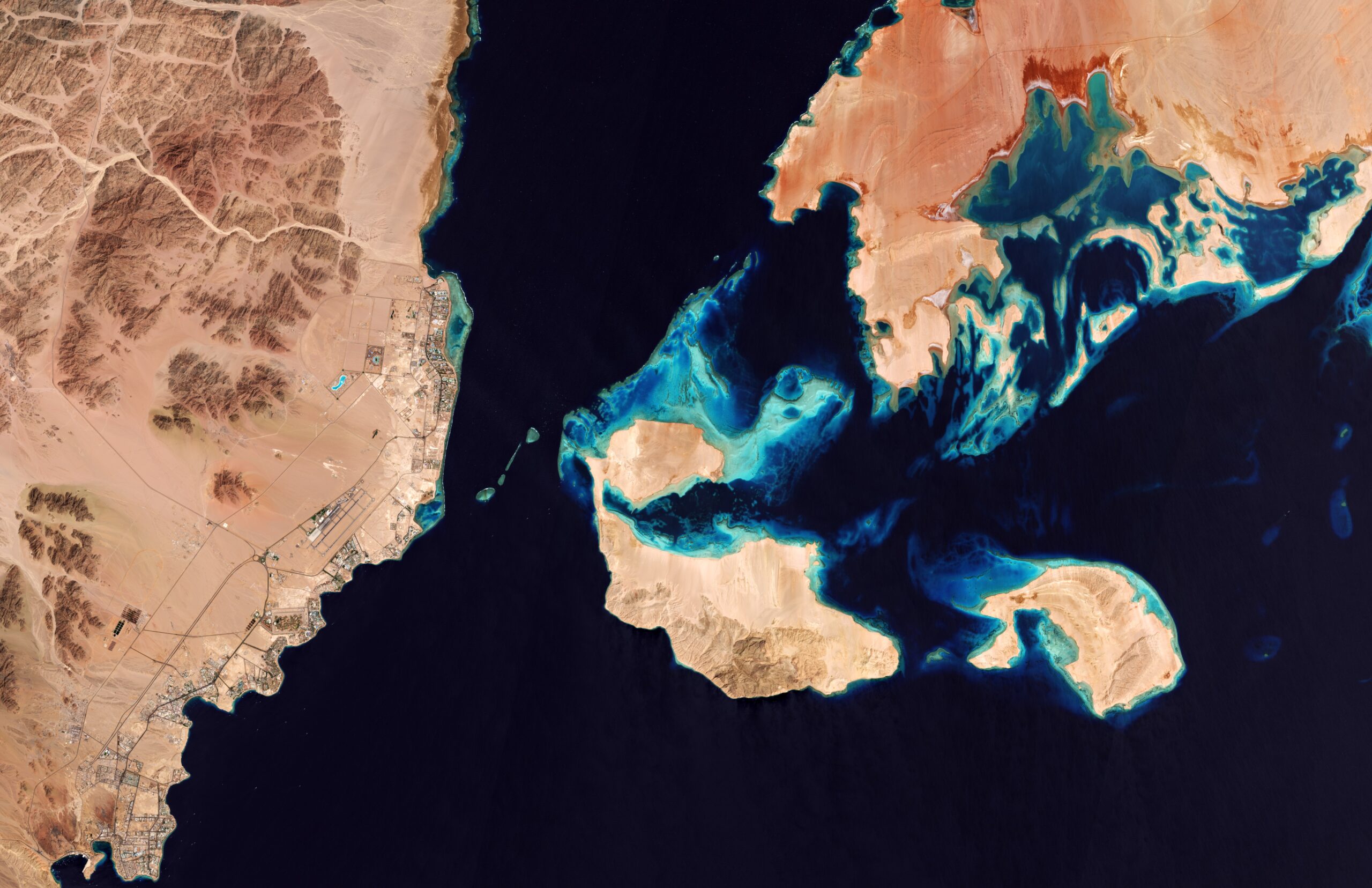
Saudi Arabia and Egypt have finalized plans for the $4 billion "Moses Bridge," a 32-kilometer causeway spanning the Strait of Tiran to connect the two countries. Fully financed by Riyadh, this megaproject is a cornerstone of Saudi Vision 2030, designed to bolster trade, tourism, and pilgrimage routes by creating a direct land link between Asia and Africa, bypassing maritime chokepoints.
Geopolitical Reconfiguration and Israeli Exclusion
The bridge carries significant geopolitical weight, as it creates an alternative trade corridor that entirely bypasses Israel. This directly challenges the proposed India-Middle East-Europe Economic Corridor (IMEC), where Israel was meant to be a key transit node. The project signals a potential future of regional integration that excludes Israel, especially while the Palestinian conflict remains unresolved and Saudi public opinion strongly opposes normalization.
Saudi Arabia's Hedging Strategy
For Saudi Arabia, the bridge is a tool of strategic hedging and infrastructure diplomacy. It allows the kingdom to diversify its connectivity options, reducing reliance on any single route or partner. By investing in this and other corridors that bypass Israel, such as those through Iraq and Syria, Riyadh is building a depoliticized trade network that insulates it from the risks of the Israeli-Palestinian conflict.
The Diminishing Prospect of IMEC
The momentum behind the Moses Bridge highlights the stalled prospects for IMEC. The Gaza war has dampened regional enthusiasm for cooperation with Israel, putting Saudi-Israeli normalization on hold. Consequently, the strategic and economic benefits that IMEC promised Israel are now in jeopardy, as regional powers pursue independent connectivity solutions that marginalize Israel's role.
A Call for Strategic Reassessment
The article concludes that Israel and the US should view this development not as a threat, but as a wake-up call. To remain relevant, Israel must take pragmatic action: rebuild trust through de-escalation in Gaza, invest in its own digital and physical logistics infrastructure, and the US must proactively champion IMEC. The coexistence of multiple corridors is possible, but requires Israel to strategically demonstrate its value as an indispensable logistics partner.
Related Articles
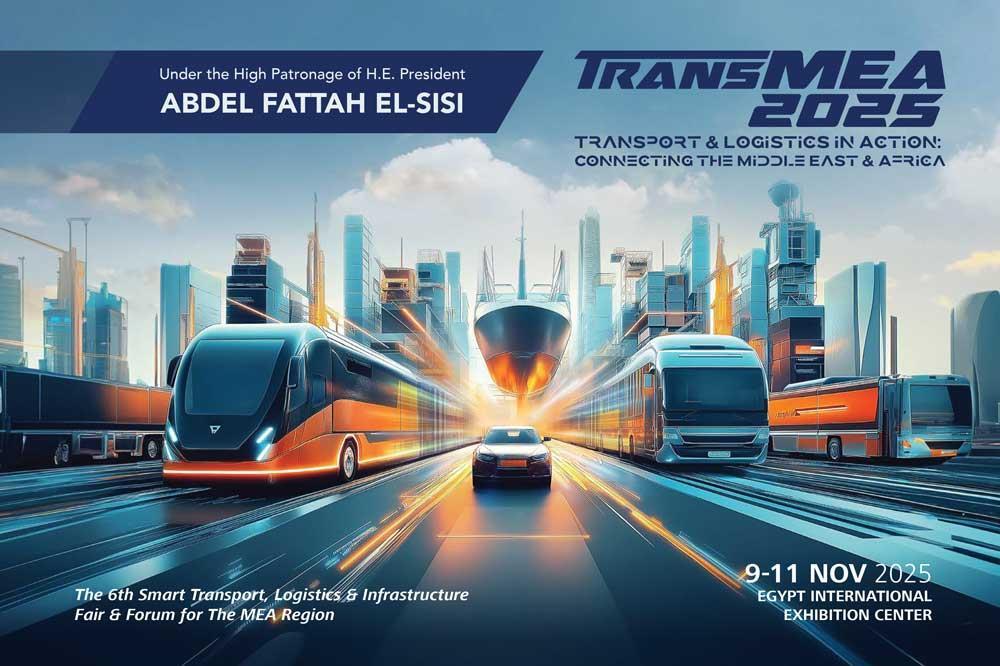
Transport & Logistics in Action – Connecting the M...
22 Oct, 2025 08:40
Appeal made for cargo harmonization across the SSA...
22 Oct, 2025 08:46
4 deals signed between Turkiye, Kuwait...
22 Oct, 2025 13:31
Beit Logistics invests $10.50mln to develop Safaga...
23 Oct, 2025 12:18
Khalifa Port rises to 39th position in Lloyd’s Lis...
23 Oct, 2025 12:24
ASCELA awarded Africa Logistics Zone Development P...
23 Oct, 2025 12:49
FG begins procurement for port modernization proje...
23 Oct, 2025 12:56
NZF delay extends unlevel playing field for EU por...
27 Oct, 2025 09:30
DP World Launches $85 Million Logistics Hub in Egy...
27 Oct, 2025 10:48