Metal Markets

Gold prices surge past $5,088 as Middle East naval clashes ignite historic safe haven rally silver rises to $88


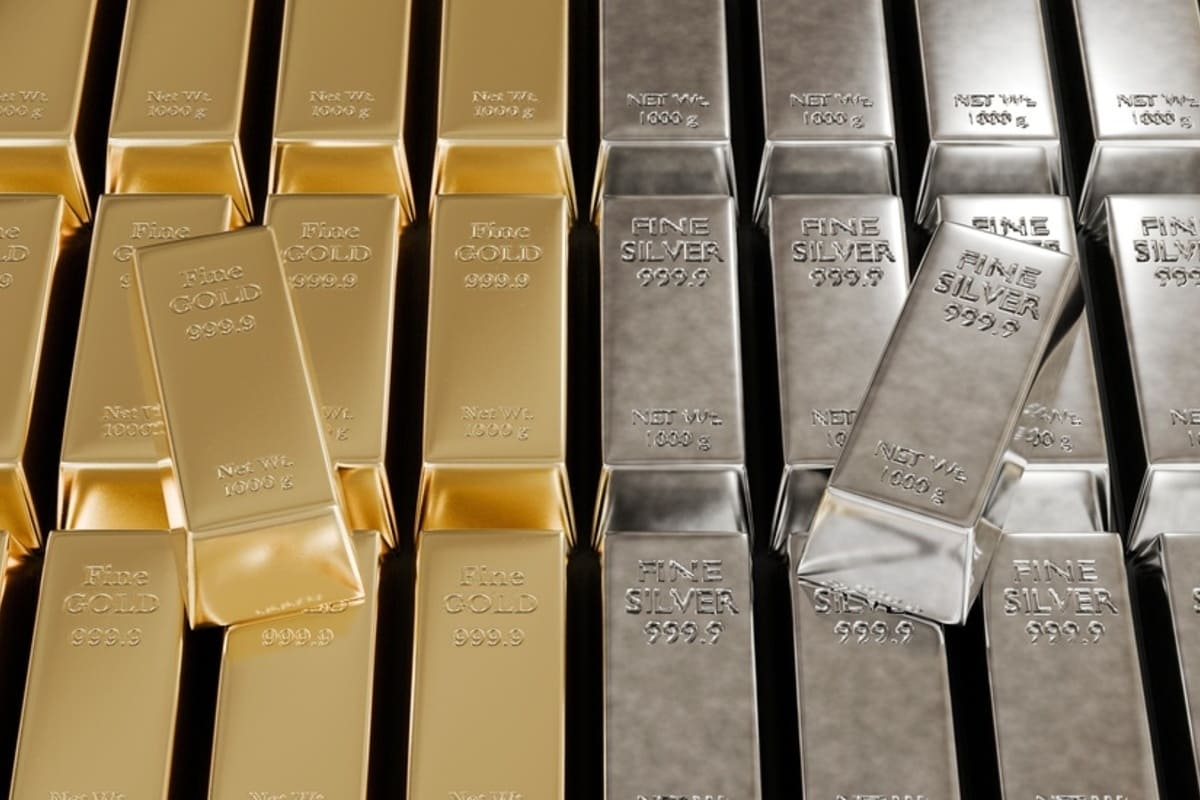
Gold prices surged on Wednesday, as escalating military hostilities between the United States and Iran prompted a massive flight to safety across global financial markets. The precious metal extended a remarkable rally that began earlier in the week, capitalizing on its traditional role as a store of value during times of intense geopolitical upheaval. As news of naval confrontations in the Persian Gulf reached trading floors, investors rapidly shed riskier assets in favor of bullion. This sudden shift in market sentiment pushed gold to historic levels, with spot prices decisively breaching the $5,000 mark and reaching $5,088.46 per ounce, reflecting a deep-seated anxiety regarding the stability of the Middle East and the potential for a wider international conflict. Additionally, U.S. gold futures increased by 3.49 percent, reaching $5,107.01. Similarly, silver saw a rise of 5.77 percent, trading at $88.00 per ounce.
In the UAE, gold rates have surged significantly, with 24-carat gold increasing by AED17.50 to AED611.75. Likewise, 22-carat gold rose by AED16.25, reaching AED566.50. Meanwhile, 21-carat gold gained AED15.50 to hit AED543.25, and 18-carat gold increased by AED13.25, now priced at AED465.50.
The primary driver behind the Wednesday morning spike was a series of military incidents involving United States and Iranian forces. Reports confirmed that the United States military shot down an Iranian drone that had approached an American aircraft carrier in the Arabian Sea, an event that was quickly followed by reports of Iranian gunboats harassing a United States-flagged oil tanker near the Strait of Hormuz. These physical confrontations effectively shattered the cautious optimism that had previously been building around scheduled diplomatic talks. With the threat of a closed transit corridor for global energy and a direct military escalation, gold prices broke through several technical resistance levels in a matter of hours.
Risk repricing and fragile diplomacy
Gold’s momentum was further sustained by a weakening United States dollar, which fell against a basket of major currencies as traders bet that the Federal Reserve might have to reconsider its interest rate path if a regional war dampens global economic growth. Lower interest rates generally make non-yielding assets like gold more attractive to international investors.
Market analysts noted that the scale of the move was indicative of a total repricing of risk. Satoru Yoshida, a commodity analyst with Rakuten Securities, stated that heightened tensions in the Middle East provided support to the market. He suggested that the physical proximity of the naval incidents to critical energy infrastructure and international shipping lanes meant that the premium for safety would likely remain elevated for the foreseeable future. Other institutional traders pointed out that the speed of the rally suggested a high volume of short-covering, where traders who had bet on falling prices were forced to buy back positions quickly as the market moved against them.
The diplomatic situation added further fuel to the fire as the prospects for a peaceful resolution seemed to dim. While the White House initially signaled that nuclear negotiations with Tehran were still on the calendar for Friday, the Iranian government issued a series of new demands that complicated the process. Tehran requested that the venue be moved to Oman and that the scope of the talks be strictly limited to nuclear technicalities, pointedly excluding any discussion of its regional maritime activities or drone programs. This perceived intransigence led many market participants to conclude that the Friday meeting would either be postponed or fail to produce a de-escalation, leaving the door open for further military friction.
Inflationary convergence and structural support
Beyond the immediate geopolitical headlines, gold was also supported by significant movements in the energy sector. Oil prices surged alongside the precious metal, with Brent crude rising to $67.86 and WTI reaching $63.94, creating an inflationary backdrop that traditionally benefits bullion. As crude benchmarks climbed, concerns about a renewed spike in global inflation began to circulate. Investors often turn to gold as a hedge against the erosion of purchasing power that accompanies rising energy costs. The combination of a security crisis and a potential inflationary shock created a perfect storm for gold bulls, who have been waiting for a decisive breakout after months of range-bound trading.
Central bank activity also played a role in the day’s price action. Reports from several emerging market central banks indicated a continued interest in diversifying reserves away from the dollar and into physical gold. These institutions have been steady buyers of the metal over the last two years, providing a structural floor for prices even during periods of relative calm. On Wednesday, the sudden spike in volatility appeared to accelerate this trend, as some sovereign wealth funds were rumored to be increasing their allocations to gold to protect their portfolios against a potential systemic shock in the Western banking system or a collapse in regional trade.
Converging economic drivers
The focus of the market remained firmly on the Pentagon and the State Department for any further signs of escalation. White House Press Secretary Karoline Leavitt addressed the media, stating that the president is prioritizing diplomacy as it relates to the current situation with Iran. Despite these verbal attempts to calm the markets, the physical reality of drone shoot-downs and maritime harassment continued to dictate the flow of capital. For many investors, the risk of being under-allocated to gold in such an environment was far greater than the risk of buying at the current highs.
The technical outlook for the metal now suggests that if the $5,000 level holds as support, the next target for bulls could be the prior peak of $5,586 seen in late January. However, some cautious voices in the market warned that a sudden diplomatic breakthrough could lead to an equally sharp correction. For the moment, however, the fear of conflict and the instability of the Middle East have firmly established gold as the asset of choice for the start of February 2026.
Related Articles

Saudi Arabia champions global partnerships to powe...
21 Oct, 2025 06:51
Can Turkey Become a Rare Earth Element Power?...
23 Oct, 2025 13:24
Orion Minerals Set to Develop Secure, Responsible,...
23 Oct, 2025 14:12
Investing in Platinum Stocks...
24 Oct, 2025 06:56
Copper And Aluminum Prices Climb As Supply Worries...
24 Oct, 2025 07:09
Dubai 24-carat gold prices dip AED3.75 as global r...
24 Oct, 2025 12:06
Bauxite sales up but tariffs on Chinese metal ship...
27 Oct, 2025 13:15
Angola bids for majority stake in De Beers, source...
28 Oct, 2025 07:02
Dubai 24-carat gold price today drops AED479; glob...
28 Oct, 2025 08:15