Energy Markets

Oil prices jump to $67.86 on Middle East naval clashes, declining U.S. crude inventories


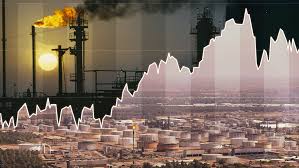
Oil prices extended their upward trajectory on Wednesday, as escalating military friction in the Middle East and a substantial decline in United States crude inventories spurred a wave of reactive buying. The market shifted its focus from recent diplomatic overtures to the immediate physical risks facing global energy corridors. The geopolitical risk premium had firmly re-embedded itself into trading valuations, effectively reversing the brief downward trend observed earlier in the week.
The immediate catalyst for the price rally was a series of maritime incidents in the critical Strait of Hormuz and the Arabian Sea. According to reports from the United States military, American forces shot down an Iranian drone that had aggressively approached the aircraft carrier Abraham Lincoln. This confrontation was compounded by reports from maritime security consultancies indicating that a group of armed Iranian gunboats had harassed a United States flagged oil tanker, identified as the Stena Imperative, in the waters north of Oman. These developments reignited long-standing fears regarding the security of the world’s most vital oil transit point, through which approximately one-fifth of global crude consumption flows daily.
Geopolitical risk premiums surge
By early Wednesday, Brent crude futures rose by 53 cents, or 0.79 percent, to reach $67.86 per barrel. Simultaneously, United States West Texas Intermediate crude climbed 61 cents, or 0.97 percent, to trade at $63.82 per barrel. These gains followed a nearly 2 percent jump on Tuesday, signaling a concerted effort by bulls to break through recent price ceilings. Market analysts noted that the volatility was largely driven by headlines rather than structural shifts, with Satoru Yoshida, a commodity analyst with Rakuten Securities, stating that heightened tensions in the Middle East provided support to the oil market.
Beyond the military friction, the diplomatic landscape added another layer of complexity to the market outlook. Tehran reportedly issued new demands regarding scheduled nuclear negotiations with the United States. Iranian officials insisted that the talks, originally slated for Turkey, be moved to Oman. Furthermore, Iran requested that the scope of the dialogue be narrowed strictly to two-way negotiations on nuclear issues, excluding broader regional security concerns. These demands cast significant doubt on whether the Friday meeting would proceed as planned, prompting traders to hedge against the possibility of a diplomatic breakdown that could lead to further sanctions or conflict.
Tightening supply dynamics
Adding fundamental support to the geopolitical rally was a startling report from the American Petroleum Institute. The industry data indicated that United States crude inventories fell by more than 11 million barrels last week, marking the largest weekly draw since the previous June. This massive decline far exceeded analyst expectations, which had actually predicted a slight build in stocks. If confirmed by the official Energy Information Administration report due later in the day, the data suggests that domestic demand remains robust even as global supply chains face potential disruptions.
The market is also closely monitoring shifting trade alliances that could impact the flow of sanctioned oil. Recent reports indicated a potential trade agreement between the United States and India, which would see New Delhi halt its purchases of Russian crude in exchange for reduced tariffs on Indian goods. Such a deal would likely increase India’s reliance on American, Middle Eastern, and potentially Venezuelan oil, further tightening the market for non-sanctioned barrels. Analysts pointed out that the ongoing conflict between Russia and Ukraine continues to ensure that Moscow’s oil remains under heavy international sanctions, providing a persistent floor for prices.
Navigating structural headwinds
From a production standpoint, the Organization of the Petroleum Exporting Countries and its allies, known as OPEC+, have maintained a cautious stance. The group recently decided to pause its planned monthly output increases for the first quarter of the year, citing weak seasonal demand. However, with prices now testing two-year resistance levels, market participants are looking toward the March 1 meeting for signals on whether the group will resume production hikes. Iran’s position as the third-largest producer within OPEC in 2025 further highlights why any threat to its export capacity or regional stability triggers such an immediate reaction in global pricing.
Despite the current rally, some financial analysts remain wary of a long-term bullish trend. Structural concerns, such as the accelerating deployment of clean energy and the rise of electric vehicle adoption, continue to dampen the outlook for global demand growth. Some projections suggest that the oil market could still face an average surplus throughout 2026 if geopolitical tensions subside. For now, however, the immediate threat of supply chain interruptions in the Persian Gulf has eclipsed these long-term concerns, leaving traders focused on the high-stakes navigation of the Strait of Hormuz and the outcome of the fragile diplomatic efforts between Washington and Tehran.
Related Articles

Renewable Energy Storage Market 2025 Forecast - La...
21 Oct, 2025 07:12
Solar power mistake in South Africa costs homeowne...
21 Oct, 2025 07:54
An Investor’s Guide to Africa...
21 Oct, 2025 09:47
Doha Strike Shakes Global Energy Assumptions...
22 Oct, 2025 13:01
GCC and Russia Deepening ties in a multipolar Midd...
23 Oct, 2025 11:59
Tesla prepares first steps into Africa with Morocc...
23 Oct, 2025 13:29
Off-Grid Solar Energy Market to grow at 17.42 GW b...
23 Oct, 2025 13:39
Petroleum Institute Urges Early Take Off of Africa...
23 Oct, 2025 13:45
Algeria inks $5.4 billion energy pact with Saudi M...
23 Oct, 2025 14:03