Logistic Other

East Africa Logistics Market Size to Hit USD 37.8 Billion by 2034 Grow CAGR by 4.67%



According to IMARC Group's latest research publication, "East Africa Logistics Market: Industry Trends, Share, Size, Growth, Opportunity and Forecast 2026-2034", The East Africa logistics market size reached USD 25.1 Billion in 2025. Looking forward, IMARC Group expects the market to reach USD 37.8 Billion by 2034, exhibiting a growth rate (CAGR) of 4.67% during 2026-2034.
How AI is Reshaping the Future of East Africa Logistics Market
- AI-powered route optimization and real-time traffic analysis are slashing delivery times and fuel costs for trucking firms in Kenya and Tanzania, where companies like Lori Systems use machine learning to match loads and drivers more efficiently across thousands of daily trips.
- Predictive analytics tools help logistics operators forecast demand and manage inventory better, reducing stockouts and overstocking in warehouses, especially in Rwanda and Uganda where last-mile delivery networks are expanding rapidly to serve growing e-commerce demand.
- Major players like DHL and Maersk are deploying AI for automated customs clearance and shipment tracking in East Africa, cutting border delays significantly and improving visibility for clients in a region where cross-border trade remains a major bottleneck.
- Government initiatives such as Kenya's Digital Superhighway project and Rwanda's Smart Logistics Strategy promote AI adoption in transport and supply chains, creating supportive policies and digital infrastructure that enable smarter freight management and lower operational risks.
- AI-driven fleet management systems monitor vehicle health and driver behavior in real time, boosting safety and reducing accidents in East Africa's road-heavy logistics networks while helping companies maintain higher uptime and reliability for customers.
Grab a sample PDF of this report: https://www.imarcgroup.com/east-africa-logistics-market/requestsample
East Africa Logistics Market Trends & Drivers:
The East Africa logistics market is experiencing strong momentum from the rapid growth of e-commerce and digital retail platforms across Kenya, Tanzania, Uganda, Rwanda, and Ethiopia. Rising smartphone penetration and affordable internet access have enabled millions to shop online, increasing demand for efficient last-mile delivery, warehousing, and reverse logistics. Platforms like Jumia and local startups are scaling operations, requiring cold-chain capabilities for perishables and reliable urban distribution networks. Cross-border e-commerce within the East African Community further intensifies the need for faster customs clearance and integrated regional tracking. This digital shift is transforming traditional logistics into agile, customer-centric systems that prioritize speed, transparency, and flexibility to meet growing consumer expectations.
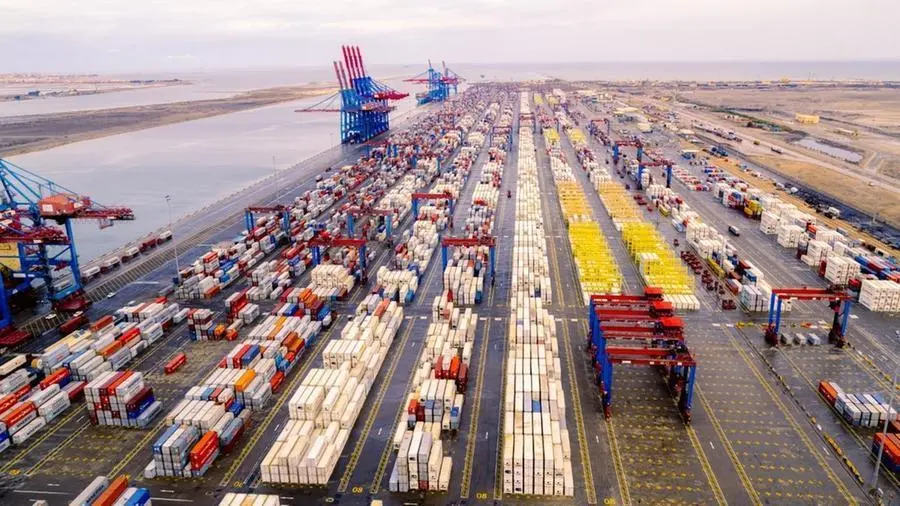
Major infrastructure investments along key trade corridors are reshaping the logistics landscape in East Africa. Upgrades to the Northern Corridor (Mombasa-Nairobi-Kampala) and Central Corridor (Dar es Salaam-Kigali-Bujumbura), including port modernization at Mombasa and Dar es Salaam, railway extensions, and dry port developments, are reducing transit times and lowering transport costs. These improvements attract multinational manufacturers and retailers establishing regional distribution hubs. Enhanced multimodal connectivity supports higher trade volumes under the African Continental Free Trade Area, driving demand for sophisticated logistics services such as bonded warehousing, trucking, and cross-border freight forwarding.
Regional integration and trade facilitation initiatives are accelerating logistics market growth in East Africa. The operationalization of the East African Community single customs territory and one-stop border posts at key crossings like Busia and Namanga has dramatically cut clearance times and non-tariff barriers. Simplified procedures and harmonized regulations encourage intra-regional trade, boosting demand for efficient cross-border transport and multimodal solutions. The African Continental Free Trade Area further amplifies these effects by promoting larger market access and supply chain optimization. As businesses capitalize on reduced trade frictions, logistics providers expand capabilities to offer reliable, integrated services that support increased merchandise flows and economic connectivity across the region.
Ask Analyst for Sample Report: https://www.imarcgroup.com/request?type=report&id=19072&flag=C
East Africa Logistics Industry Segmentation:
The report has segmented the market into the following categories:
Model Type Insights:
- 2 PL
- 3 PL
- 4 PL
Transportation Mode Insights:
- Roadways
- Seaways
- Railways
- Airways
End Use Insights:
- Manufacturing
- Consumer Goods
- Retail
- Food and Beverages
- IT Hardware
- Healthcare
- Chemicals
- Construction
- Automotive
- Telecom
- Oil and Gas
- Others
Country Insights:
- Ethiopia
- Kenya
- Tanzania
- Uganda
- Sudan
- Rwanda
- Others
Competitive Landscape:
The competitive landscape of the industry has also been examined along with the profiles of the key players.
Recent News and Developments in East Africa Logistics Market
- February 2026: Kenya launches the first phase of the Lamu Port-South Sudan-Ethiopia-Transport (LAPSSET) Corridor highway upgrade, integrating smart logistics technologies such as real-time cargo tracking and automated toll systems to reduce transit times by up to 40% for goods moving between Mombasa, Lamu, and landlocked countries.
- January 2026: Tanzania and Rwanda complete the final section of the Standard Gauge Railway (SGR) link, enabling electric trains to transport freight at speeds up to 120 km/h, cutting logistics costs by approximately 30% and shifting significant volumes from road to rail for cross-border trade.
- December 2025: Uganda deploys blockchain-based cargo tracking across its main border points with Kenya and Tanzania, improving transparency and reducing clearance times from days to hours while minimizing corruption and document fraud in regional supply chains.
Note: If you require specific details, data, or insights that are not currently included in the scope of this report, we are happy to accommodate your request. As part of our customization service, we will gather and provide the additional information you need, tailored to your specific requirements. Please let us know your exact needs, and we will ensure the report is updated accordingly to meet your expectations.
About Us:
IMARC Group is a global management consulting firm that helps the world's most ambitious changemakers to create a lasting impact. The company provide a comprehensive suite of market entry and expansion services. IMARC offerings include thorough market assessment, feasibility studies, company incorporation assistance, factory setup support, regulatory approvals and licensing navigation, branding, marketing and sales strategies, competitive landscape and benchmarking analyses, pricing and cost research, and procurement research.
Contact Us:
IMARC Group
134 N 4th St. Brooklyn, NY 11249, USA
Email: sales@imarcgroup.com
Tel No:(D) +91 120 433 0800
United States: +1-201971-6302
Related Articles
South African table grape industry and Transnova A...
22 Oct, 2025 08:25
Spiro Raises US$100 Million in Africa’s Largest-Ev...
22 Oct, 2025 09:33
NXN and SAEED unite within Sharjah’s logistics sec...
24 Oct, 2025 07:48
TAHA Unveils HortiMarket A Digital Platform Revolu...
24 Oct, 2025 08:21
Chinese technology takes center stage at Ghana's t...
27 Oct, 2025 09:17
Kenya Airways flies first African route, from Nair...
27 Oct, 2025 09:23
Madbouly inaugurates $85mln DP World's logistics p...
27 Oct, 2025 12:56
Airbus cargo outlook shows 3.3% annual growth and ...
28 Oct, 2025 08:21
Nominations now open for the Logistics Saudi Award...
28 Oct, 2025 08:27