Logistic Other

DHL Express and REGENT explore electric Seaglider cargo use


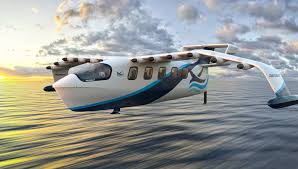
DHL Express has opened the door to a form of cargo transport that looks more like science fiction than traditional maritime logistics.
The company has signed an MoU with REGENT, maker of the all-electric Seaglider vessel, a machine designed to skim metres above the water at aircraft-like speeds.
The partnership will study how Seagliders could be threaded into DHL’s coastal and island supply chains across the Middle East from January 2026. For DHL, the question is not merely whether the craft works, but whether it can fit into the tempo and expectations of an express network.
Billy Thalheimer, REGENT’s CEO, framed the collaboration around ambition rather than novelty, “Partnering with a global logistics pioneer like DHL allows us to demonstrate how Seagliders can enhance efficiency, reduce emissions, and connect key trade routes across the Middle East and beyond.”
An experiment with regional implications
DHL’s regional operations team sees the technology less as a gadget and more as a potential tool for high-frequency coastal corridors.
Bachi Spiga, who oversees network operations across MENA, said that “REGENT’s all-electric Seaglider represents a transformative step forward in sustainable maritime transport,”
Adding that, “through this partnership, we aim to explore how this technology can enhance our regional and global operations – starting here in the Middle East, one of the world’s most dynamic logistics hubs.”
A UAE manufacturing base in the making
REGENT’s link to the Middle East runs deeper than a pilot programme. The company, backed by Abu Dhabi’s Strategic Development Fund, plans to manufacture Seagliders in the UAE before the decade closes.
That facility will sit alongside its Rhode Island plant due in 2026 and will include maintenance and parts support. For the UAE, the project adds another advanced-mobility technology to its expanding industrial base.
The region has already been testing the craft’s possibilities. Abu Dhabi’s Integrated Transport Centre signed an MoU with REGENT in 2024, and ADNOC L&S trialled the vessel for offshore crew transport earlier this year, a demanding environment that often dictates whether new maritime technologies sink or scale.
Why DHL is looking at the waterline
DHL’s own global data paints the context: the Global Connectedness Tracker shows the Middle East steadily climbing in trade intensity and route diversity.
Rising volumes in life sciences, automotive and e-commerce have made coastal logistics more important than they were a decade ago. Electric maritime craft offer an alternative that avoids runway congestion and port queues while contributing to DHL’s long-term decarbonisation targets.
Related Articles

South African table grape industry and Transnova A...
22 Oct, 2025 08:25
Spiro Raises US$100 Million in Africa’s Largest-Ev...
22 Oct, 2025 09:33
NXN and SAEED unite within Sharjah’s logistics sec...
24 Oct, 2025 07:48
TAHA Unveils HortiMarket A Digital Platform Revolu...
24 Oct, 2025 08:21
Chinese technology takes center stage at Ghana's t...
27 Oct, 2025 09:17
Kenya Airways flies first African route, from Nair...
27 Oct, 2025 09:23
Madbouly inaugurates $85mln DP World's logistics p...
27 Oct, 2025 12:56
Airbus cargo outlook shows 3.3% annual growth and ...
28 Oct, 2025 08:21
Nominations now open for the Logistics Saudi Award...
28 Oct, 2025 08:27