
Energy Other

Africa’s power play - How BTC mining turns wasted energy to light



A decade ago, the remote stretches of East Africa's Rift Valley were shrouded in darkness at night, far from the glow of distant cities. Today, that has changed due to the arrival of Bitcoin mining. Thousands of mining rigs, powered by underutilized hydro dams, geothermal steam, and solar installations, are humming where the grid has failed to reach.
The underlying economics are starkly simple. The continent possesses immense renewable energy potential, but its transmission infrastructure is poor, often leaving massive surpluses of generated power wasted. Bitcoin miners have emerged as the ideal "buyer of last resort" for this stranded energy, offering cash upfront for every electron that cannot be sold elsewhere.
Ethiopia exemplifies the large-scale model. Despite the Grand Ethiopian Renaissance Dam's 6,000-megawatt capacity, the grid can't absorb it all. By mid-2025, Bitcoin miners were consuming about 600 megawatts of this surplus, providing the state utility with over $100 million in hard currency in just ten months. This new revenue is directly funding grid expansion, bringing power to villages years ahead of schedule. Conversely, Kenya demonstrates a decentralized approach. Companies like Jack Dorsey's Gridless deploy mobile mining containers at small, rural hydro plants. They mine using surplus power that would otherwise go to waste, throttling back instantly when local demand rises, which slashes electricity costs for nearby communities by up to 60% and makes the mini-grids profitable.
This model is spreading across the continent with local variations: capturing waste methane at Nigerian oil rigs, funding rangers in the Democratic Republic of Congo's Virunga National Park, and enabling solar developers in South Africa to secure financing. While not without controversy—concerns about grid strain and future household access persist—the impact is tangible. Africa now contributes roughly 3% of the global Bitcoin network's computing power, nearly all from renewable sources, a share expected to double by 2027. Beyond the direct revenue, the infrastructure built for mining brings first-time electricity to homes, creates local technical jobs, and keeps capital circulating domestically. Bitcoin mining is not a panacea, but in regions where traditional utilities have long failed, it is converting wasted energy into both digital currency and foundational development.
Related Articles
Kuwaiti oilfield comes onstream officially after 1...
22 Sep, 2025 12:56
African Energy Week (AEW) 2025: Unlocking the Pote...
22 Sep, 2025 13:22
South Africa warns illegal car imports threaten ne...
23 Sep, 2025 06:31
South Africa Confronts EU Carbon Border Mechanism...
23 Sep, 2025 12:33
South Africa, China Deepen Investment Ties in Key ...
24 Sep, 2025 07:35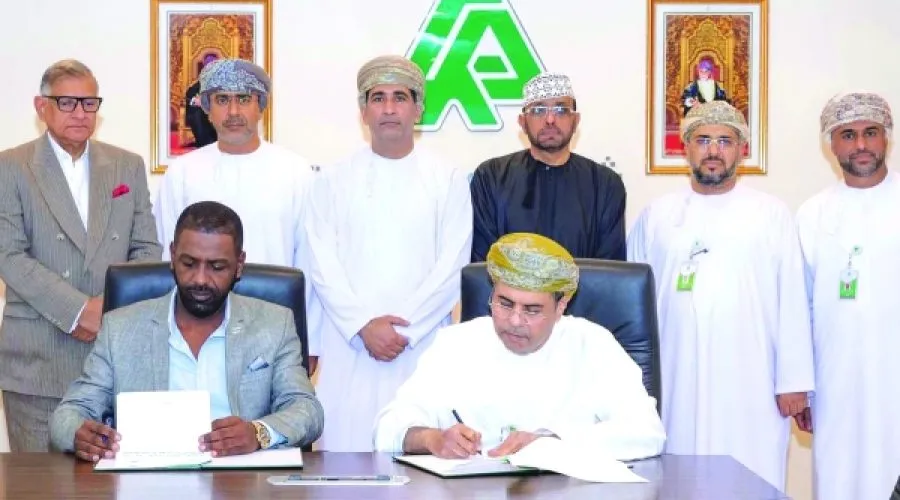
Raysut Cement’s Expansion into Libya and North Afr...
24 Sep, 2025 07:40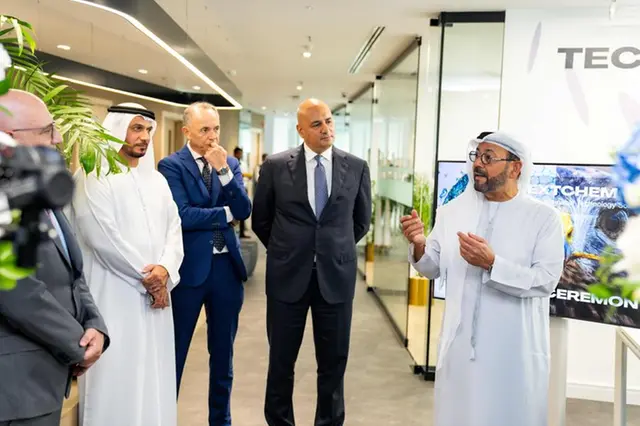
Nextchem opens regional office in Abu Dhabi...
24 Sep, 2025 08:10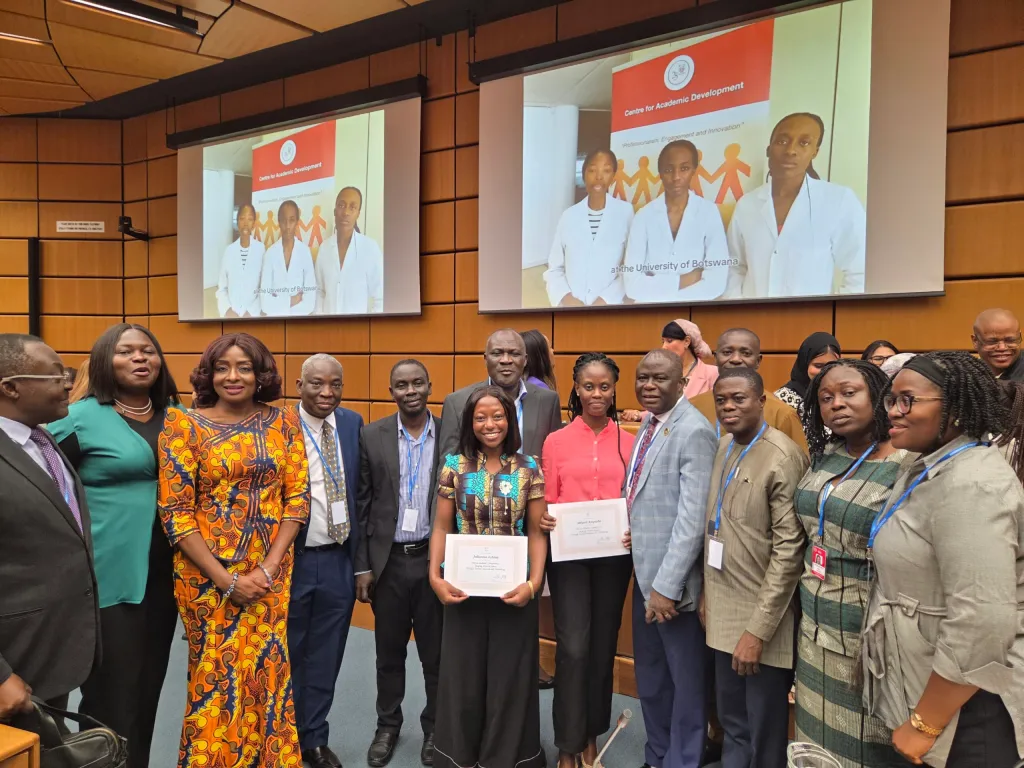
Ghanaian students win top honours in IAEA’s Female...
24 Sep, 2025 09:32
Key Sectors Linking Mauritania and Gambia...
24 Sep, 2025 09:40