Sea

APM Terminals, SCCT completes $500m expansion at East Port Said


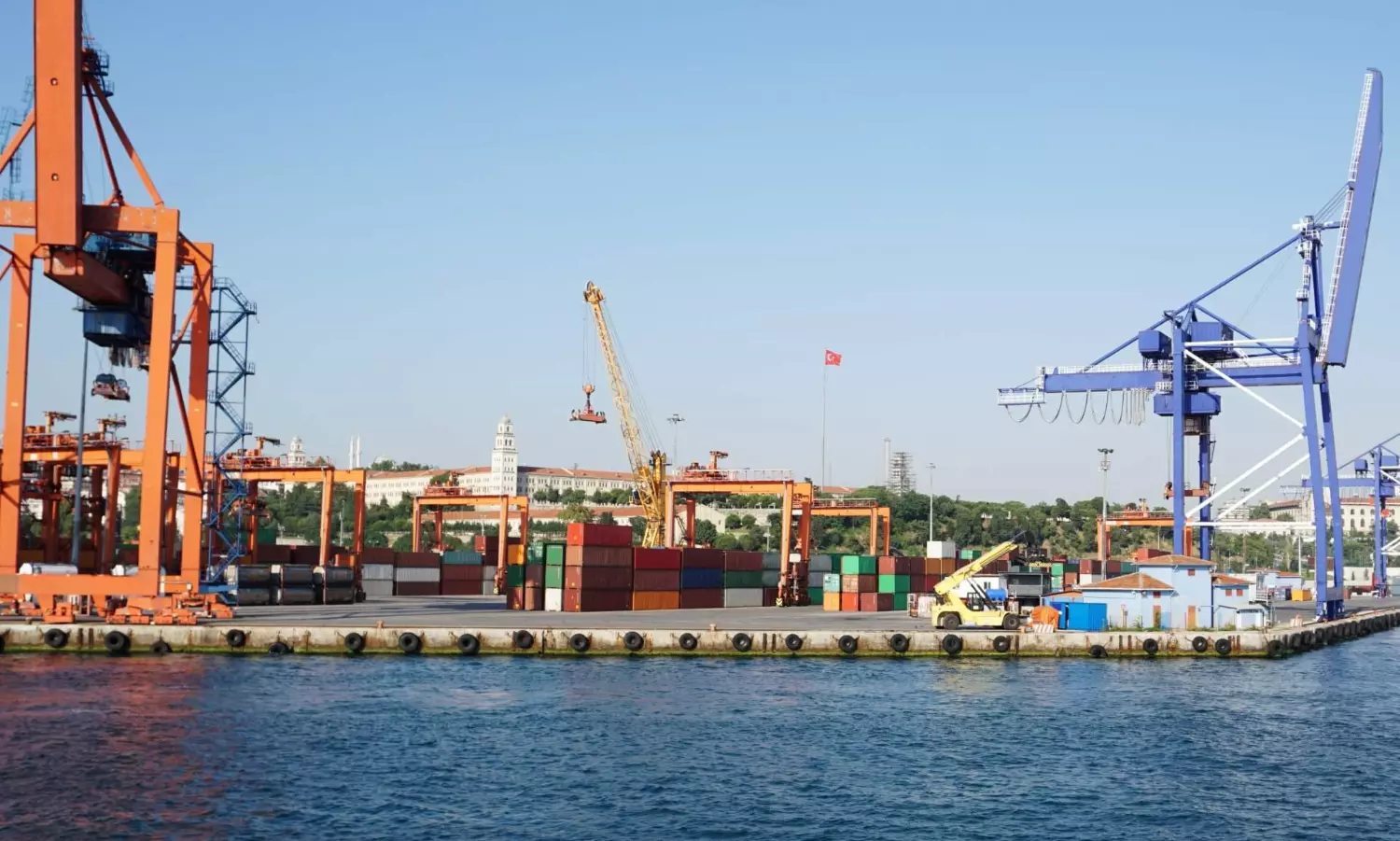
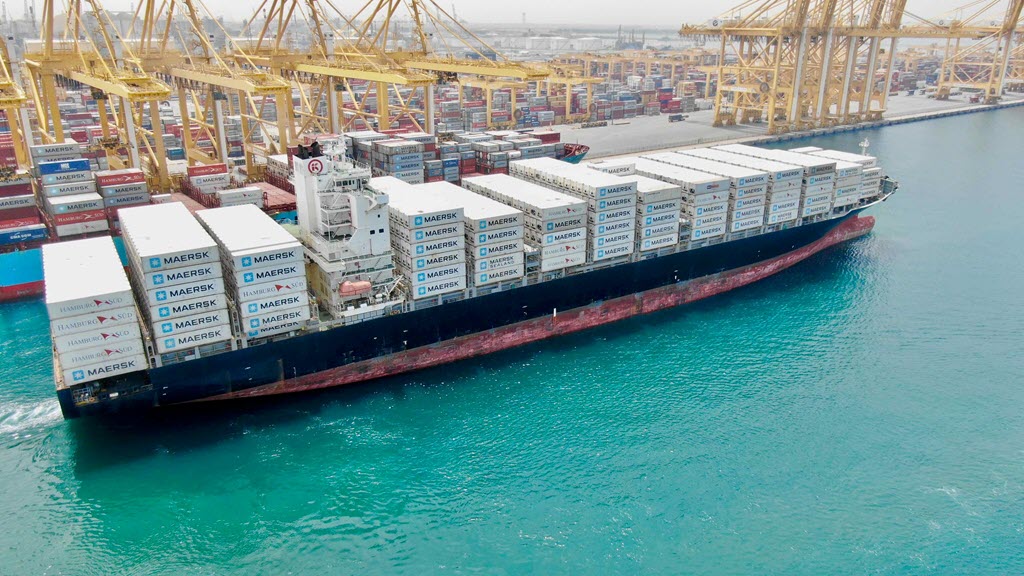
APM Terminals and the Suez Canal Container Terminal (SCCT) have officially opened a major $500 million expansion at their facility in East Port Said. This strategic investment significantly enhances the capabilities of the transshipment hub, which is critically located at the northern entrance of the Suez Canal. The expansion is designed to solidify the terminal's role as a pivotal node for global container shipping, directly servicing the busy East-West trade routes that pass through this vital maritime corridor.
The core of this expansion is a substantial increase in physical infrastructure. The project adds 955 meters of new quay wall, allowing more of the world's largest container ships to berth simultaneously. Furthermore, it provides an additional 510,000 square meters of yard space for container storage and movement. This infrastructure boost immediately increases the terminal's annual handling capacity by 2.2 million TEUs (Twenty-foot Equivalent Units), bringing its total capacity to a significant 7 million TEUs.
To operate this expanded facility efficiently, the project includes a significant investment in state-of-the-art equipment. The terminal has been equipped with 12 new quay cranes for loading and unloading ships, along with 30 electric Rubber-Tired Gantry Cranes (RTGs) for moving containers within the yard. This modern fleet is complemented by over 90 support trucks, ensuring seamless and rapid movement of cargo from ship to storage and beyond.
A key feature of the upgraded terminal is the integration of advanced digital tools to optimize performance. The use of technologies like "digital twins"—virtual models of the terminal—will allow operators to simulate, analyze, and improve operations in real-time. This focus on digitalization is crucial for supporting the rapid transshipment of containers between vessels and maintaining high service levels for global shipping lines.
The expansion also aligns with APM Terminals' broader environmental goals, particularly its commitment to achieving net zero emissions by 2040. The deployment of 30 electric RTGs, which produce zero emissions at the point of use, is a central part of this strategy. This move, alongside broader investments in battery-electric equipment and renewable energy, underscores a dedicated shift towards greener and more sustainable maritime logistics.
Beyond its operational and environmental impacts, the project delivers a substantial socioeconomic benefit to the local region. The expansion is set to create more than 1,000 new direct jobs, providing a significant boost to the local economy and offering new long-term employment opportunities for the community surrounding the port, from equipment operators to administrative and technical staff.
In conclusion, the $500 million investment transforms the SCCT into a higher-capacity, more efficient, and environmentally conscious global logistics hub. By combining expanded physical infrastructure with modern, electric equipment and sophisticated digital systems, the terminal is well-positioned to enhance global trade flows, reduce its environmental footprint, and contribute positively to regional economic development.
Related Articles
Transport & Logistics in Action – Connecting the M...
22 Oct, 2025 08:40
Appeal made for cargo harmonization across the SSA...
22 Oct, 2025 08:46
4 deals signed between Turkiye, Kuwait...
22 Oct, 2025 13:31
Beit Logistics invests $10.50mln to develop Safaga...
23 Oct, 2025 12:18
Khalifa Port rises to 39th position in Lloyd’s Lis...
23 Oct, 2025 12:24
ASCELA awarded Africa Logistics Zone Development P...
23 Oct, 2025 12:49
FG begins procurement for port modernization proje...
23 Oct, 2025 12:56
NZF delay extends unlevel playing field for EU por...
27 Oct, 2025 09:30
DP World Launches $85 Million Logistics Hub in Egy...
27 Oct, 2025 10:48