Sea

AD Ports gets loan to develop Egypt’s Safaga terminal


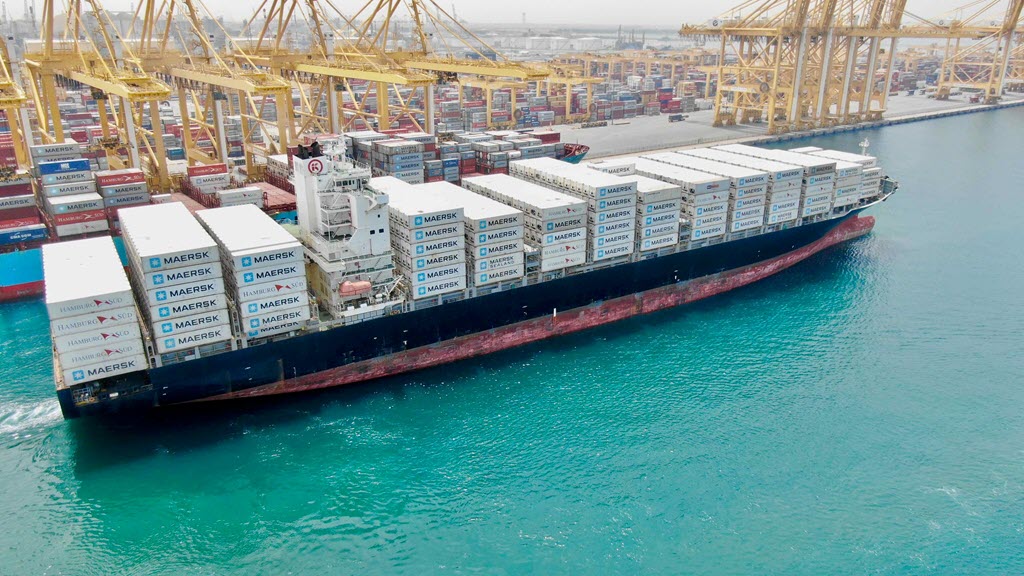
Abu Dhabi-listed AD Ports Group has secured $115 million to support the development of the Noatum Ports Safaga terminal in Egypt, as it seeks to expand critical logistics infrastructure worldwide.
The 15-year project finance facility is backed by the International Finance Corporation (IFC), a member of the World Bank Group, with participation from the National Bank of Kuwait-Egypt and other institutional investors through an IFC-managed co-lending programme, the UAE state-run Wam news agency reported.
The facility is expected to be finalised in the first quarter of 2026, subject to approvals.
AD Ports Group CEO Mohamed Juma Al Shamisi said the project finance reinforces the company’s growing presence in Egypt, a market of strategic importance to the global supply chain.
Makhtar Diop, IFC managing director, said the project will strengthen Egypt’s position as a central trade hub, reduce costs for local businesses and create high-quality jobs.
The $200 million Noatum Ports Safaga terminal is located on the Red Sea coast and is set to be the first internationally operated port terminal in the Upper Egypt region. The terminal forms part of AD Ports’ strategy to build and operate port assets across high-growth trade corridors.
The company acquired Spain-based logistics operator Noatum for AED2.5 billion ($680 million) in 2023.
AD Ports Group is developing cruise terminals in the Red Sea ports of Safaga, Hurghada and Sharm El Sheikh.
In 2025 the company expanded its portfolio through a 50-year renewable agreement to develop and operate Kezad East Port Said, a 20 square kilometre industrial and logistics park at the Mediterranean gateway to the Suez Canal.
In November AD Ports acquired a 19.3 percent equity stake in Alexandria Container & Cargo Handling Company, one of Egypt’s largest container terminal operators.
The company’s stock closed at AED5.2 on the Abu Dhabi stock exchange on Tuesday and is up 9 percent so far this year.
AD Ports has a free float of nearly 25 percent, with the remaining stake held by sovereign wealth fund ADQ.
Related Articles
Transport & Logistics in Action – Connecting the M...
22 Oct, 2025 08:40
Appeal made for cargo harmonization across the SSA...
22 Oct, 2025 08:46
4 deals signed between Turkiye, Kuwait...
22 Oct, 2025 13:31
Beit Logistics invests $10.50mln to develop Safaga...
23 Oct, 2025 12:18
Khalifa Port rises to 39th position in Lloyd’s Lis...
23 Oct, 2025 12:24
ASCELA awarded Africa Logistics Zone Development P...
23 Oct, 2025 12:49
FG begins procurement for port modernization proje...
23 Oct, 2025 12:56
NZF delay extends unlevel playing field for EU por...
27 Oct, 2025 09:30
DP World Launches $85 Million Logistics Hub in Egy...
27 Oct, 2025 10:48