Energy Other

Why Qatar must turn itself into an LNG trader


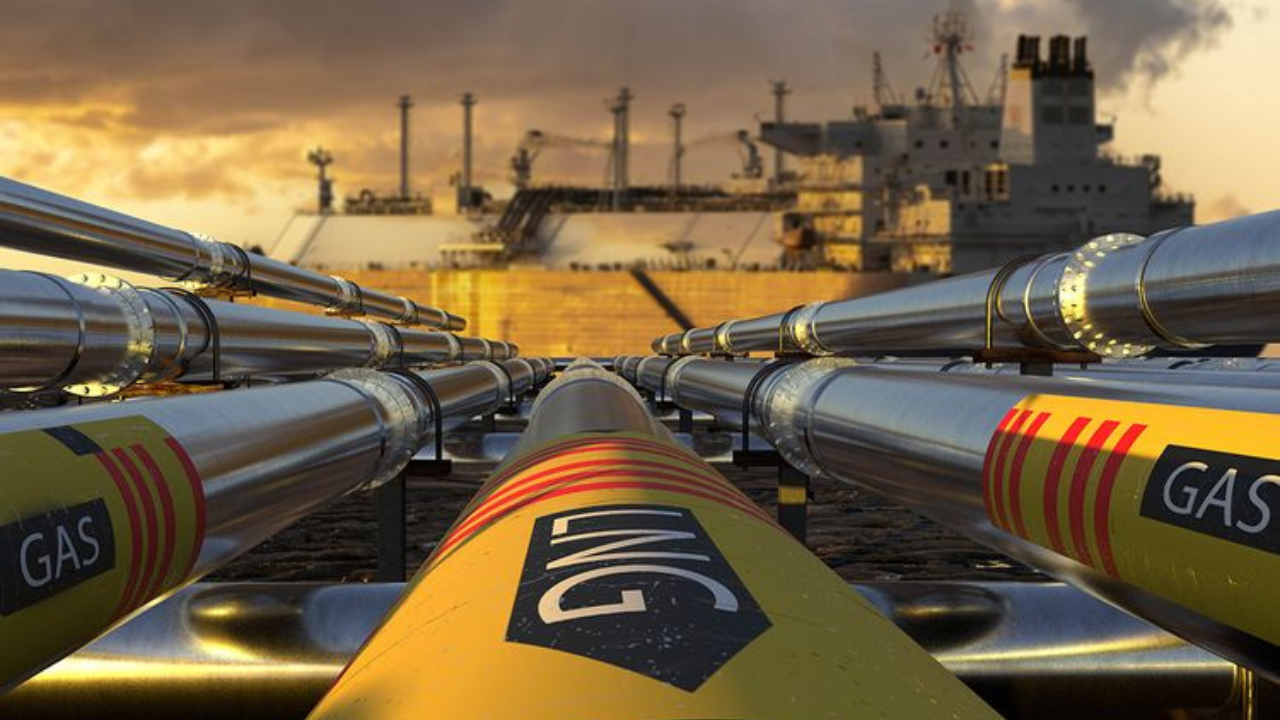
In March, attacks on Ras Laffan Industrial City caused extensive damage to the Pearl GTL plant and subsequently damaged major LNG facilities, disrupting part of Qatar’s LNG production capacity.
The country’s LNG export capacity fell by around 17 percent, or 12.8 million tonnes annually. QatarEnergy subsequently declared force majeure on gas supply contracts with four countries.
Before the conflict, around 20 percent of global LNG trade passed through the Strait of Hormuz, with Qatar accounting for a significant share of those volumes. Much of the gas is sold under long-term contracts to Asian buyers, making supply reliability central to Qatar’s reputation as one of the world’s leading LNG exporters.
To maintain supplies to customers after invoking force majeure, QatarEnergy turned to the international spot market. It spent around $1 billion purchasing LNG cargoes, primarily from Louisiana-based exporter Venture Global, for delivery to customers in Japan, South Korea, India, Bangladesh and Taiwan.
Twenty-eight of the 33 spot cargoes QatarEnergy purchased this year originated from Louisiana export terminals, according to Kpler. QatarEnergy also holds a 70 percent stake in the Golden Pass LNG export terminal in Texas alongside ExxonMobil, its long-term development partner.
This underscores the increasingly important role of US LNG in helping Doha meet contractual obligations while its own production remains constrained. It can go further.
Qatar could repair infrastructure only to find that customers have permanently reduced their dependence on Qatari gas
By replacing lost domestic supply with imported cargoes, Qatar has so far been able to minimise shortages for customers and reduce the risk of permanently ceding market share to competing exporters.
But Doha can strengthen resilience by becoming a larger LNG portfolio player, rather than relying on domestically produced gas.
QatarEnergy’s purchase of replacement cargoes from the international market during the crisis is an example of this strategy in practice. Building longer-term access to third-party LNG, acquiring stakes in overseas production and maintaining a larger portfolio of tradable cargoes would give Doha more options when domestic production is disrupted.
It would also make QatarEnergy a more globally integrated LNG portfolio player, allowing it to maintain its relationships with customers even when it cannot physically ship LNG produced in Qatar.
After all, the worst-case scenario is not simply another few months of lower exports. Qatar can repair its infrastructure only to find that some customers have permanently reduced their dependence on Qatari gas. In that scenario, Doha suffers not just a temporary revenue shock but a loss of market position at precisely the moment global LNG supply is becoming more competitive.
Asian buyers have already demonstrated that they can adapt. India has increased purchases from alternative suppliers, while South Korea can mitigate potential shortfalls through inventories and spot purchases. China, meanwhile, has been able to use its domestic supply, pipeline imports and inventories to reduce its need for spot LNG and has even resold cargoes to other Asian markets.
The problem is not simply that Qatar may lose several billion dollars in a single year. A prolonged disruption has the potential to change the economics of the country’s next phase of growth.
If the roughly $20 billion annual revenue loss persists for three years, the cumulative gross revenue shortfall would approach $60 billion before accounting for repairs, replacement cargo costs, higher financing costs or any offset from higher global LNG prices. These resources could have otherwise been available for investment, diversification and accumulation of financial assets.
The longer Qatar’s disruption lasts, the greater the incentive for customers to diversify permanently. Long-term contracts provide Qatar with considerable protection, but buyers increasingly have access to LNG from other countries.
The effect may not be an immediate loss of Qatar’s existing contracts. Instead, it could appear over several years as customers become less willing to rely on Qatar for incremental demand, demand greater contractual flexibility, or direct new purchases toward alternative suppliers.
That is particularly important because Qatar’s growth strategy depends on expanding LNG output dramatically. QatarEnergy has been targeting a substantial increase in LNG capacity over the next several years, with the North Field expansion designed to raise production far above current levels.
If customers begin treating supply from Qatar as carrying a persistent geopolitical risk premium, the economic value of that additional capacity could be lower than anticipated even after the physical infrastructure is repaired.
The crisis has exposed a hard truth for Qatar: immense financial wealth cannot fully offset strategic vulnerability. Sovereign assets, conservative fiscal management and access to global LNG markets have softened the immediate economic blow, but they cannot eliminate the risks posed by prolonged instability in the Gulf.
Giorgio Cafiero is the CEO and founder of Gulf State Analytics, a geopolitical risk consultancy based in Washington, DC. He is also an Adjunct Assistant Professor at Georgetown University and an Adjunct Fellow at the American Security Project
Related Articles
Kuwaiti oilfield comes onstream officially after 1...
22 Sep, 2025 12:56
African Energy Week (AEW) 2025: Unlocking the Pote...
22 Sep, 2025 13:22
South Africa warns illegal car imports threaten ne...
23 Sep, 2025 06:31
South Africa Confronts EU Carbon Border Mechanism...
23 Sep, 2025 12:33
South Africa, China Deepen Investment Ties in Key ...
24 Sep, 2025 07:35
Raysut Cement’s Expansion into Libya and North Afr...
24 Sep, 2025 07:40
Nextchem opens regional office in Abu Dhabi...
24 Sep, 2025 08:10
Ghanaian students win top honours in IAEA’s Female...
24 Sep, 2025 09:32
Key Sectors Linking Mauritania and Gambia...
24 Sep, 2025 09:40