Energy Other

South Africa bolsters energy security strategy with new petroleum reserves policy and biofuels push


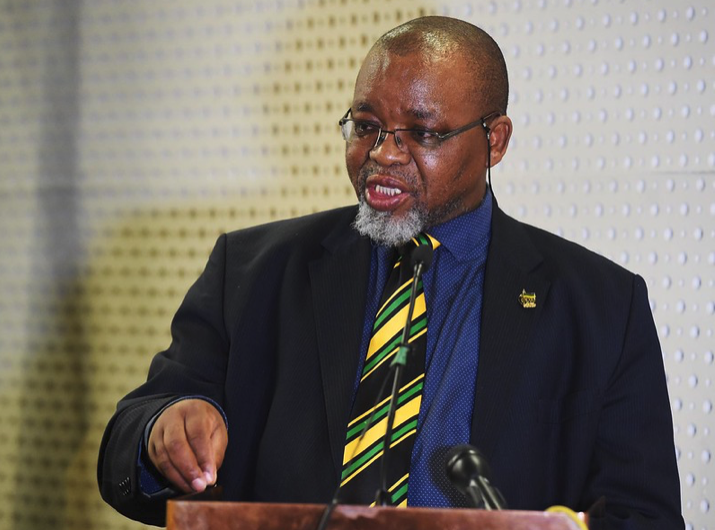
South Africa is strengthening its long term energy security through a combination of strategic fuel reserves, expanded domestic oil and gas exploration, and greater investment in alternative fuels, according to Mineral and Petroleum Resources Minister Gwede Mantashe.
Speaking at the Fuels Industry Association of South Africa Annual Imbizo in Johannesburg, Mantashe said recent geopolitical conflicts in Eastern Europe and the Middle East have highlighted the vulnerability of global energy supply chains and reinforced the need for South Africa to build greater resilience against external shocks.
He noted that disruptions to international energy markets have increased fuel price volatility and placed pressure on fuel importing countries, including South Africa. Despite these challenges, the country has maintained stable fuel supplies through close cooperation between government and the petroleum industry.
Mantashe commended industry stakeholders for ensuring sufficient fuel availability to meet domestic demand but warned that instances of fuel price increases ahead of official adjustments had undermined public confidence and damaged the sector’s reputation.
To strengthen energy resilience, the Department of Mineral and Petroleum Resources has finalised a draft Strategic Petroleum Stocks Policy, which will be submitted to Cabinet for consideration.
The policy follows a comprehensive review of South Africa’s strategic petroleum stockholding arrangements conducted in 2024. The study identified the need for stronger reserve management and increased domestic refining capacity.
Under the proposed framework, the South African National Petroleum Company will maintain strategic reserves equivalent to 60 days of net imports in both crude oil and refined petroleum products.
According to Mantashe, the initiative represents a significant step toward safeguarding the country against future supply disruptions and market instability.
The Minister also confirmed that regulations supporting the Upstream Petroleum Resources Development Act are ready for publication following extensive stakeholder consultation.
The legislation will establish a dedicated regulatory framework for the upstream petroleum sector, separate from mining regulations, with the aim of creating a more attractive environment for oil and gas investment.
Mantashe argued that South Africa can no longer remain heavily dependent on imported petroleum products and should accelerate the exploration and development of domestic hydrocarbon resources.
He said ongoing geopolitical instability has exposed the risks associated with excessive reliance on imported fuels and emphasised the need for the country to become an energy producer where commercially viable resources exist.
Alongside conventional energy development, government is pursuing a diversified energy transition strategy through the Integrated Resource Plan 2025.
The plan seeks to balance energy security, economic growth, industrial development and environmental sustainability through a broader energy mix.
Within this framework, biofuels have been identified as a major opportunity to stimulate rural economic development, support agricultural value chains and reduce greenhouse gas emissions.
Mantashe said engagement with Agriculture Minister John Steenhuisen has strengthened confidence in the availability of agricultural feedstock required to support a domestic biofuels industry.
The publication of regulated biofuels pricing last year has also provided greater regulatory certainty and is expected to encourage investment into the sector.
Government is now calling on private sector stakeholders to collaborate in scaling biofuels production and establishing a commercially sustainable industry.
Liquefied Petroleum Gas has also been highlighted as a priority alternative fuel, particularly for households affected by rising paraffin prices.
Mantashe said LPG offers a cleaner, more efficient and potentially more affordable energy source for cooking and heating. Achieving widespread adoption, however, will require substantial investment in storage facilities, distribution infrastructure and market development.
He reiterated government’s ambition to ensure every South African household has access to LPG as a viable energy option and called on industry participants to play a central role in expanding the market.
Closing the event, Mantashe urged government and industry to deepen collaboration, unlock investment opportunities and build a petroleum sector capable of supporting South Africa’s long term economic and energy security objectives.
Related Articles
Kuwaiti oilfield comes onstream officially after 1...
22 Sep, 2025 12:56
African Energy Week (AEW) 2025: Unlocking the Pote...
22 Sep, 2025 13:22
South Africa warns illegal car imports threaten ne...
23 Sep, 2025 06:31
South Africa Confronts EU Carbon Border Mechanism...
23 Sep, 2025 12:33
South Africa, China Deepen Investment Ties in Key ...
24 Sep, 2025 07:35
Raysut Cement’s Expansion into Libya and North Afr...
24 Sep, 2025 07:40
Nextchem opens regional office in Abu Dhabi...
24 Sep, 2025 08:10
Ghanaian students win top honours in IAEA’s Female...
24 Sep, 2025 09:32
Key Sectors Linking Mauritania and Gambia...
24 Sep, 2025 09:40