Energy Other

Senegal Unveils Six-Point Plan to Shield Economy from Oil Price Surge


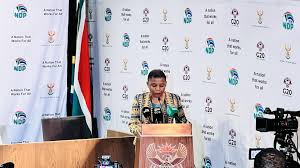
Senegal’s Prime Minister, Ousmane Sonko, on Wednesday presented a six-point action plan aimed at shielding the economy from a possible surge in oil prices linked to instability in the Middle East, government spokesperson Marie Rose Faye said after a Cabinet meeting.
Faye warned that higher oil prices could worsen Senegal’s trade balance, strain public finances, raise production costs and fuel inflation for households. She said Senegal, a “net hydrocarbon importer,” would face “direct, cumulative and multidimensional” exposure to such a shock.
The government’s response focuses primarily on energy conservation measures and an accelerated transition to renewable energy. The plan also includes targeted energy support measures for strategic sectors and vulnerable households, along with efforts to diversify sources of petroleum product imports, according to the Cabinet communiqué.
Senelec in the Spotlight
The most concrete part of the plan concerns the electricity sector. Sonko called for the preparation of an interministerial council dedicated to the performance of Senegal’s national electricity company, Senelec.
The energy minister has 30 days to submit a policy framework note to the Prime Minister’s office. Within the same timeframe, the finance minister will assess the state’s financial commitments to the sector. Senelec must also submit an operational plan addressing its technical, commercial, financial and organizational operations.
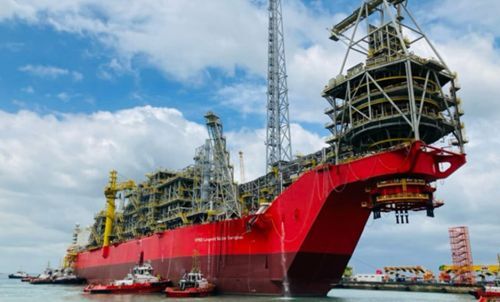
The measures come as Senegal continues to face longstanding structural vulnerabilities in its energy sector. Despite the launch of the Sangomar oil field in 2024, the country remains dependent on imports of refined petroleum products, with annual domestic consumption estimated at between 2.3 million and 2.6 million metric tons.
Between 2022 and 2024, Senegal spent more than 1.6 trillion CFA francs (about $2.6 billion) on petroleum product imports, according to figures cited by the BBC in February 2025. Energy subsidies also cost the state more than $1.3 billion in 2023, according to the International Energy Agency.
Economist Amath Ndiaye said every one-dollar increase in the price of a barrel of oil costs the state budget about $20 million.
Related Articles
Kuwaiti oilfield comes onstream officially after 1...
22 Sep, 2025 12:56
African Energy Week (AEW) 2025: Unlocking the Pote...
22 Sep, 2025 13:22
South Africa warns illegal car imports threaten ne...
23 Sep, 2025 06:31
South Africa Confronts EU Carbon Border Mechanism...
23 Sep, 2025 12:33
South Africa, China Deepen Investment Ties in Key ...
24 Sep, 2025 07:35
Raysut Cement’s Expansion into Libya and North Afr...
24 Sep, 2025 07:40
Nextchem opens regional office in Abu Dhabi...
24 Sep, 2025 08:10
Ghanaian students win top honours in IAEA’s Female...
24 Sep, 2025 09:32
Key Sectors Linking Mauritania and Gambia...
24 Sep, 2025 09:40