Energy Markets

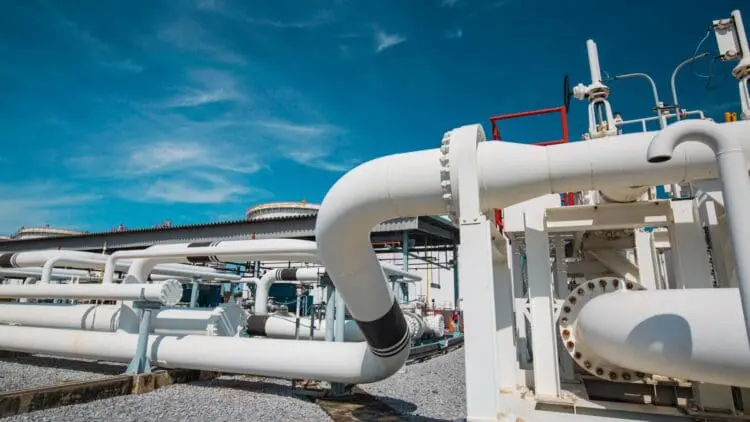
Oil prices rise 0.72 percent to $72.51 as markets shift focus to OPEC+ supply, global demand



Oil prices edged higher on Tuesday, although gains remained limited as markets shifted their focus from easing geopolitical tensions in the Middle East toward rising global supply and the outlook for demand.
Brent crude futures rose 0.72 percent to $72.51 a barrel, while U.S. West Texas Intermediate (WTI) crude gained 0.64 percent to $68.99 a barrel as of 8:25 UAE time. Both benchmarks were trading close to levels seen before the recent Iran conflict after settling near those levels on Monday. The modest recovery reflects improving confidence that crude flows through the Gulf will continue despite lingering geopolitical risks, while traders increasingly assess the impact of higher production from major exporters. Market attention has gradually shifted toward the balance between growing supply from OPEC+ producers and the pace of global demand growth during the second half of the year. Investors are also monitoring how geopolitical developments interact with broader macroeconomic conditions, including interest rates and global trade activity, both of which remain key drivers of energy demand.
Regional risks persist
President Donald Trump said on Monday that the United States would either reach an agreement with Iran or “finish the job,” renewing his warning of possible military action as Tehran continued to project defiance following the funeral of former Supreme Leader Ayatollah Ali Khamenei.
Investors have continued to closely monitor discussions between Washington and Tehran over the security of shipping through the Strait of Hormuz while assessing the recovery in Gulf oil exports. According to an Axios report citing two U.S. officials, Iran’s Revolutionary Guards fired at least two missiles on Monday night at commercial vessels transiting the Strait of Hormuz. The report said the ships sustained significant damage but there were no casualties.
Shipping activity nevertheless continued to recover. Data showed that Japanese-owned supertankers carrying Saudi Arabian crude were heading toward the Strait of Hormuz on Tuesday to exit the Gulf, joining a number of previously stranded vessels that had resumed their voyages a day earlier. The gradual normalization of maritime traffic has helped ease immediate concerns over disruptions to one of the world’s most important energy trade routes, although markets continue to price in a geopolitical risk premium.
Supply takes focus
Attention is increasingly shifting toward higher crude supply as producers continue to raise output. Reuters estimates showed that the United Arab Emirates increased crude production above 3.8 million barrels per day in June, the highest level since April 2020 and above production levels recorded before the recent Iran conflict. The increase followed the UAE’s departure from OPEC+ production quotas in May, allowing it to raise output.
Meanwhile, the Organization of the Petroleum Exporting Countries and its allies, including Russia, agreed on Sunday to raise collective production targets by a further 188,000 barrels per day from August, following similar output increases implemented in June and July. The continued supply expansion reflects the group’s strategy of gradually restoring production while monitoring global market conditions and demand growth.
Saudi Arabia also adjusted its pricing strategy by lowering the August official selling price (OSP) for its flagship Arab Light crude to Asia to $1.50 per barrel below the Oman/Dubai average. According to a Saudi Aramco pricing statement released on Monday, the reduction amounted to $11 from the previous month, representing the largest monthly cut in more than two decades. The move signals increased competition for Asian market share as producers seek to secure demand amid rising global supply.
Related Articles
Renewable Energy Storage Market 2025 Forecast - La...
21 Oct, 2025 07:12
Solar power mistake in South Africa costs homeowne...
21 Oct, 2025 07:54
An Investor’s Guide to Africa...
21 Oct, 2025 09:47
Doha Strike Shakes Global Energy Assumptions...
22 Oct, 2025 13:01
GCC and Russia Deepening ties in a multipolar Midd...
23 Oct, 2025 11:59
Tesla prepares first steps into Africa with Morocc...
23 Oct, 2025 13:29
Off-Grid Solar Energy Market to grow at 17.42 GW b...
23 Oct, 2025 13:39
Petroleum Institute Urges Early Take Off of Africa...
23 Oct, 2025 13:45
Algeria inks $5.4 billion energy pact with Saudi M...
23 Oct, 2025 14:03