Energy Other

Mozambique Plans Lower Energy, Water and Fuel Rates for Farmers


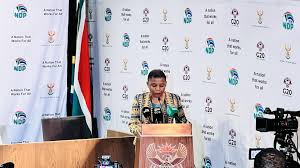
Mozambique plans to reduce energy, water and fuel costs for agricultural producers. Speaking at the 21st Annual Private Sector Conference, known as CASP, in Maputo, Agriculture Minister Roberto Albino said on Tuesday, July 14, that the president had instructed officials to finalize the measure by next week.
“To ensure producers benefit from lower energy, water and fuel rates, the president gave us until next week to settle the issue,” Albino said at the annual forum, which brings together government officials, business leaders, and domestic and international investors.
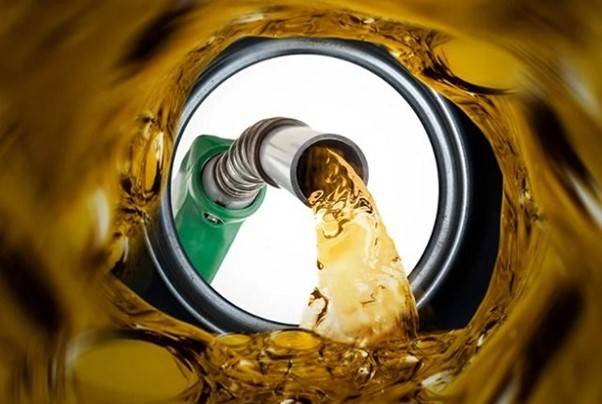
The measure would benefit both primary agricultural producers and food-processing companies. It would apply particularly to diesel, which is widely used to power irrigation systems and agricultural machinery and to transport crops. A proposal to reduce the corporate income tax burden on agricultural and agro-industrial companies by a further 10% is also under discussion, with negotiations expected in the coming days.
The minister described the current tax system as “fiscally unfair,” arguing that taxing farmers at the same rates as businesses in other sectors discourages investment in agriculture despite its strategic importance to the country.
“Facilitating access to lower energy and fuel rates, particularly for diesel, is one of the measures we are proposing to encourage greater private-sector investment in agriculture,” he added.
Mozambique remains dependent on food imports
Agriculture accounted for about 26% of Mozambique’s gross domestic product in 2025 and employed nearly 70% of its workforce, according to the World Bank. Yet the country imports about $1 billion worth of food each year, Albino said.
Pressure on the sector has increased since the Strait of Hormuz was closed in February following the conflict between the United States and Iran. Mozambique, which imports all its liquid fuels, has been hit hard by the resulting rise in global prices. This has increased costs across the agricultural supply chain, including irrigation, machinery use and crop transport, according to an April report by the United Nations Food and Agriculture Organization.
The initiative follows a tax reform introduced in 2022, when Mozambique lowered the corporate income tax rate for agricultural companies from 32% to 10%, according to the United Nations Conference on Trade and Development.
Francisco Ferreira dos Santos, president of JFS Group, one of Mozambique’s largest business conglomerates, supported the initiative and called for better coordination between the public and private sectors. Founded in 1897, JFS Group operates in several areas of the Mozambican economy.
“Our sector is deeply undercapitalized,” he said, calling for incentives commensurate with the challenges it faces.
CASP, which ran through July 15, reviewed investment projects worth a combined $1.2 billion this year, according to the Confederation of Economic Associations of Mozambique.
Related Articles
Kuwaiti oilfield comes onstream officially after 1...
22 Sep, 2025 12:56
African Energy Week (AEW) 2025: Unlocking the Pote...
22 Sep, 2025 13:22
South Africa warns illegal car imports threaten ne...
23 Sep, 2025 06:31
South Africa Confronts EU Carbon Border Mechanism...
23 Sep, 2025 12:33
South Africa, China Deepen Investment Ties in Key ...
24 Sep, 2025 07:35
Raysut Cement’s Expansion into Libya and North Afr...
24 Sep, 2025 07:40
Nextchem opens regional office in Abu Dhabi...
24 Sep, 2025 08:10
Ghanaian students win top honours in IAEA’s Female...
24 Sep, 2025 09:32
Key Sectors Linking Mauritania and Gambia...
24 Sep, 2025 09:40