Autres (mines)

Mintek revives Savmin tech to turn mine drainage into clean water


By: OrePulse
South African research organization Mintek said this week it is reviving Savmin, a chemical treatment technology first developed in 1998, in a new push to turn acid mine drainage into clean water and a salable byproduct.
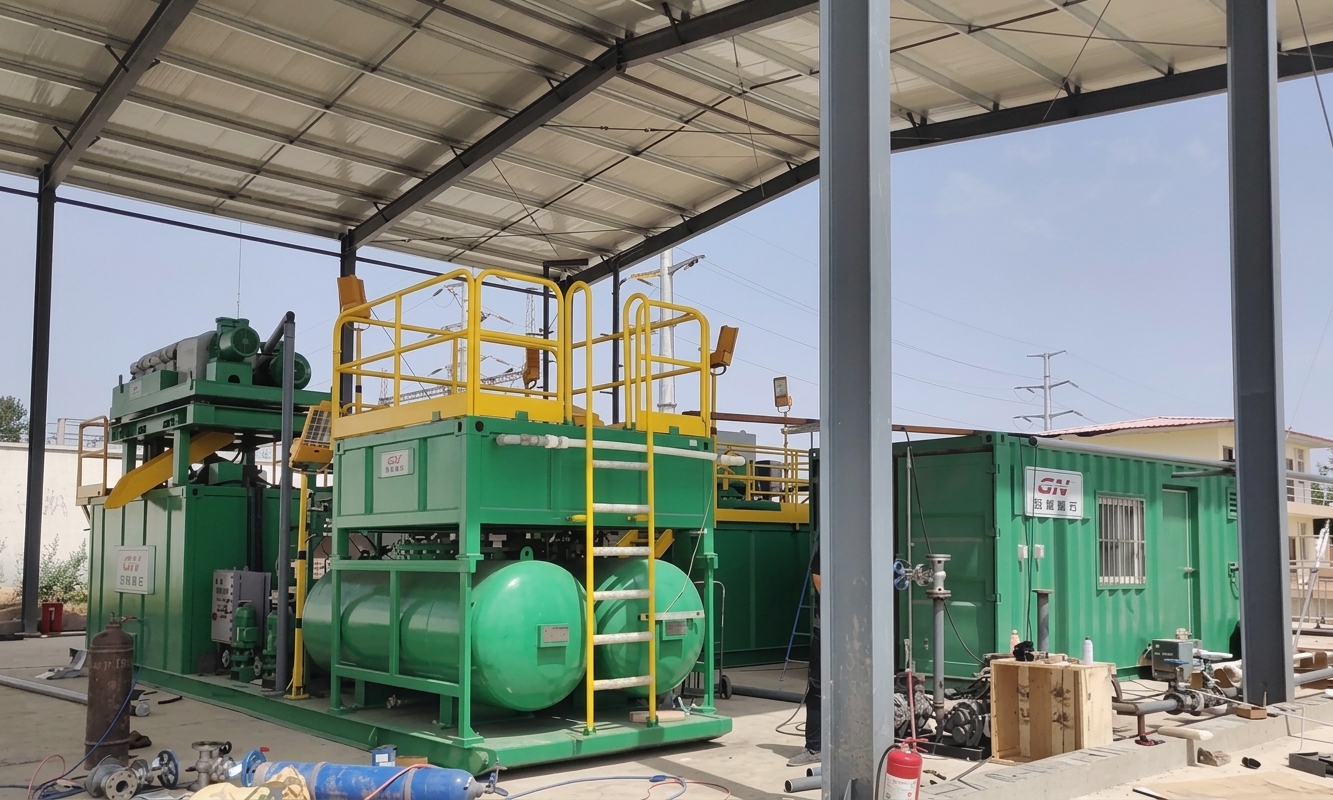
The process uses ettringite, a calcium-based mineral compound, to strip dissolved sulphate contaminants out of mine-impacted water, converting it into potable water and commercial-grade gypsum. Mintek is now building a mobile pilot plant, housed in a six-meter shipping container, designed to treat 5,000 litres of acid mine drainage a day.
Savmin's development has run in fits and starts since it was first created. An initial pilot plant built with Atomaer in 2008, using a commercially available form of aluminum oxide, failed. Mintek said it developed new intellectual property around 2010 using an amorphous form of aluminum oxide instead, and partnered with Viola Water Technologies in 2016 for further testing. Atomaer and Viola Water Technologies remain partners on the current mobile pilot.
Mintek chief executive Molefi Motuku said the water treatment work draws on the organization's capabilities "in mineral processing, hydrometallurgy, environmental technologies and process optimization to develop practical solutions" for the industry. Metallurgist Tshamano Netshikhudini said Mintek is "investing time and resources in refining Savmin technology into a zero-waste process," pointing to ambitions to eliminate residual waste streams from the treatment.
The work falls under Mintek's Integrated Solutions for Mine Impacted Water research program, which spans water treatment, water reuse efficiency, prevention of acid mine drainage at its source, and environmental monitoring.
Acid mine drainage, caused when sulphide minerals exposed by mining react with water and air to form acidic, metal-laden runoff, is one of the most persistent environmental liabilities facing South Africa's mining sector and often continues to affect water sources long after a mine has closed. A treatment process that is mobile, scalable and produces a marketable byproduct rather than waste for disposal would give mining companies and regulators a lower-cost option for addressing legacy and ongoing contamination, without the large fixed treatment plants that acid mine drainage cleanup has traditionally required.
The container-based format is designed to let the technology move between sites rather than be built as a single fixed installation, making the treatment process more adaptable to mines of different sizes and water volumes.
Articles similaires
US struggling to de-risk Congo's 'war zone mineral...
03 mars, 2026 08:03
Nigeria, AFC sign $1.3B deal set to be country's b...
03 mars, 2026 08:07
Can Africa’s mining and natural resources sector a...
03 mars, 2026 08:57
Africa in focus: Downstream value and the critical...
03 mars, 2026 11:02
Africans for Africa (AFA) advances strategic Respo...
03 mars, 2026 12:01
Zimbabwe export ban a temporary dent on lithium su...
04 mars, 2026 09:07
Can Africa’s Mining Reforms Deliver Billions in In...
04 mars, 2026 10:56
Can AI reduce drilling by a factor of five?...
04 mars, 2026 11:16
Oil climbs further as Iran targets energy faciliti...
04 mars, 2026 12:31