Energy Other

Iraq plans to end gas flaring by early 2029


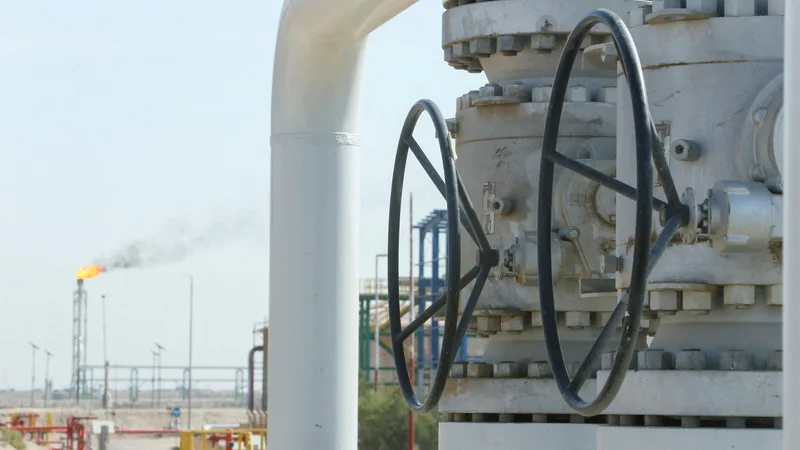
Iraq intends to end gas flaring by early 2029 and aims to eliminate gas imports as a result of ongoing projects, the oil minister said.
Projects in major gas fields such as Mansouriya and Akaz will halt the need to buy gas from abroad, Basim Khudair told the state-run Iraq News Agency.
He gave no specific timeline, but gas and electricity imports cost the Opec member country between $7 billion and $8 billion annually.
The target is to terminate gas flaring by the end of 2028 or early 2029, Khudair said.
Flaring is the burning of natural gas produced alongside crude oil when there is insufficient infrastructure to capture, process or transport it, or for safety reasons during operations. Rather than being used to generate power or sold, the gas is burned off in open flames.
Routine flaring wastes a valuable resource and emits carbon dioxide, methane and other pollutants that contribute to climate change and poor air quality. Iran, Iraq and Saudi Arabia were among the top 10 gas flaring countries in 2025, according to the World Bank Group’s annual global gas flaring tracker report.
Russia topped the list. Oman, the UAE and Qatar ranked 13th, 15th and 18th, respectively.
According to the World Bank report, flaring volumes last year almost equalled Africa’s annual gas consumption and surpassed the annual volume of liquefied natural gas transiting the Arabian Gulf.
Investments to eliminate flaring globally will need to total $70-100 billion, which is nearly twice the annual value of gas being wasted, the World Bank said.
Oil ministry spokesman Salim Al Rikabi said earlier this month that the government is carrying out several strategic projects to capture and use associated gas from oilfields.
In September 2025, US oilfield services company Baker Hughes signed an agreement with Iraq-based Halfaya Gas Company to develop a system for the recovery of flare gas at the Bin Umar plant in southeastern Iraq.
A consortium including state-owned QatarEnergy began constructing the first processing facility for associated gas from the Ratawi field in the Basra region in January last year.
Khudair said the oil ministry is conducting a study to construct a pipeline extending from Basra to Kirkuk, which will run to Ceyhan, Turkey and Banias, Syria, to diversify oil export routes.
Iraq has formed a consortium with US companies TI Capital and Chevron, and Qatar’s UCC, to develop a proposed oil pipeline to the Syrian Mediterranean port of Baniyas.
The second phase of the plan includes a study to extend the pipeline to the Jordanian port of Aqaba, the minister said.
Khudair said earlier this month that Iraq was in talks with the Organization of the Petroleum Exporting Countries to increase the nation’s oil production quota.
Opec and allied producers agreed to raise oil output for a fifth consecutive month in July, a move to defend market share despite geopolitical concerns around the US-Iran war.
Related Articles
Kuwaiti oilfield comes onstream officially after 1...
22 Sep, 2025 12:56
African Energy Week (AEW) 2025: Unlocking the Pote...
22 Sep, 2025 13:22
South Africa warns illegal car imports threaten ne...
23 Sep, 2025 06:31
South Africa Confronts EU Carbon Border Mechanism...
23 Sep, 2025 12:33
South Africa, China Deepen Investment Ties in Key ...
24 Sep, 2025 07:35
Raysut Cement’s Expansion into Libya and North Afr...
24 Sep, 2025 07:40
Nextchem opens regional office in Abu Dhabi...
24 Sep, 2025 08:10
Ghanaian students win top honours in IAEA’s Female...
24 Sep, 2025 09:32
Key Sectors Linking Mauritania and Gambia...
24 Sep, 2025 09:40