
Energy Other

Iran war escalation puts two major oil routes at risk


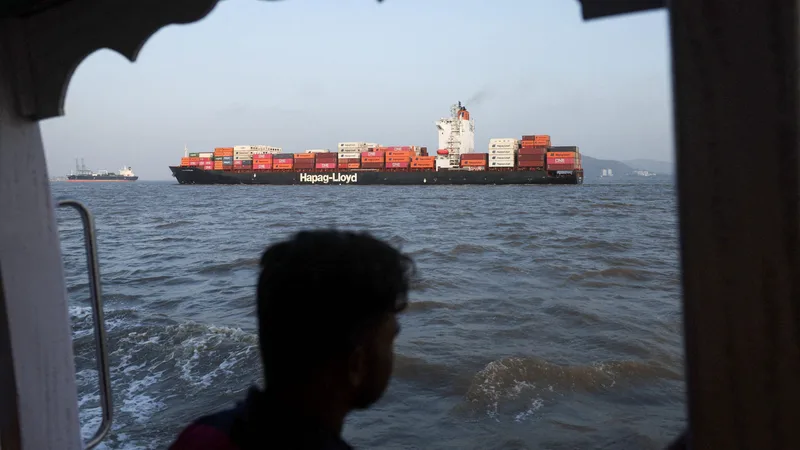
Oil prices hovered around the previous close on Friday despite fresh strikes by the US and Iran and reports that Tehran had asked the Houthi movement to prepare to shut the Red Sea export route.
Brent crude futures rose 1 percent in early trade to $85.11 a barrel and US benchmark West Texas Intermediate gained 1.2 percent to $79.93, with Brent having climbed almost 9 percent in the past week as attacks between the US and Iran escalated across the Gulf.
But by 06:15 GMT both oil grades were down on the day. Brent was fetching $83.81 and WTI $78.71.
US Central Command said it struck Iranian military sites for the sixth night in a row to “further degrade Iranian military capabilities”. Iran said it attacked US facilities in Bahrain and Kuwait early on Friday, while several explosion-like sounds were heard in the Qatari capital Doha.
The escalation in tensions has led to a slowdown in traffic through the Strait of Hormuz, a narrow channel between Iran and Oman through which about a fifth of daily oil supplies would pass before the conflict.
But further fears for global energy supplies have been raised following reports that Tehran has asked Yemen’s Houthi movement to stand ready to close the Red Sea if the US strikes Iranian power infrastructure.
US President Donald Trump earlier this week threatened to bomb bridges and power plants if Iran does not return to talks.
The two sides on June 17 signed a memorandum of understanding that gives 60 days for negotiations and is intended to result in a final peace deal.
Any closure of the entrance to the Red Sea would cut off another crucial shipping route for Gulf oil supplies and open a new front in the conflict.
The closure of the Red Sea’s Bab al Mandab strait could slow global growth sharply enough to “meet most definitions of a global recession”, Capital Economics said in a note on Thursday.
“While there would be a direct hit to Asian economies that rely heavily on oil imports from Saudi Arabia, the bigger threat to the world economy would come through higher oil prices,” the London-based consultancy said.
The Strait of Hormuz has been a major battleground since the US and Israel first bombed Iran on February 28.
Washington and Tehran have imposed their own blockades and the waterway is now divided into three sections: a northern route close to Iran, a southern route that hugs the Omani coastline and a middle lane that contains mines.
Toll systems have been discussed as a possible long-term solution to keep the strait open, but no formal agreements have emerged.
“Oil security is still a critical issue,” the head of the International Energy Agency (IEA), Fatih Birol, said on Thursday at a Council on Foreign Relations event in Washington.
“We should be worried, and I am worried, if the situation does not improve in the next few weeks.” The IEA previously called the US-Iran conflict the largest oil-supply shock in history.
Gold prices rose 0.5 percent to about $3,988 per ounce but are on track for their biggest weekly loss in six weeks, as the latest clashes in the Gulf added to fears that higher oil prices could trigger a rise in inflation and an increase in US interest rates.
Japan’s Nikkei stock average fell 4.9 percent, while South Korea’s Kospi slid 6.4 percent and the Shanghai Stock Exchange by 1.6 percent.
Related Articles
Kuwaiti oilfield comes onstream officially after 1...
22 Sep, 2025 12:56
African Energy Week (AEW) 2025: Unlocking the Pote...
22 Sep, 2025 13:22
South Africa warns illegal car imports threaten ne...
23 Sep, 2025 06:31
South Africa Confronts EU Carbon Border Mechanism...
23 Sep, 2025 12:33
South Africa, China Deepen Investment Ties in Key ...
24 Sep, 2025 07:35
Raysut Cement’s Expansion into Libya and North Afr...
24 Sep, 2025 07:40
Nextchem opens regional office in Abu Dhabi...
24 Sep, 2025 08:10
Ghanaian students win top honours in IAEA’s Female...
24 Sep, 2025 09:32
Key Sectors Linking Mauritania and Gambia...
24 Sep, 2025 09:40