Metal Markets

Gold prices retreat 0.8 percent to $4,030 as oil oil rally revives inflation fears


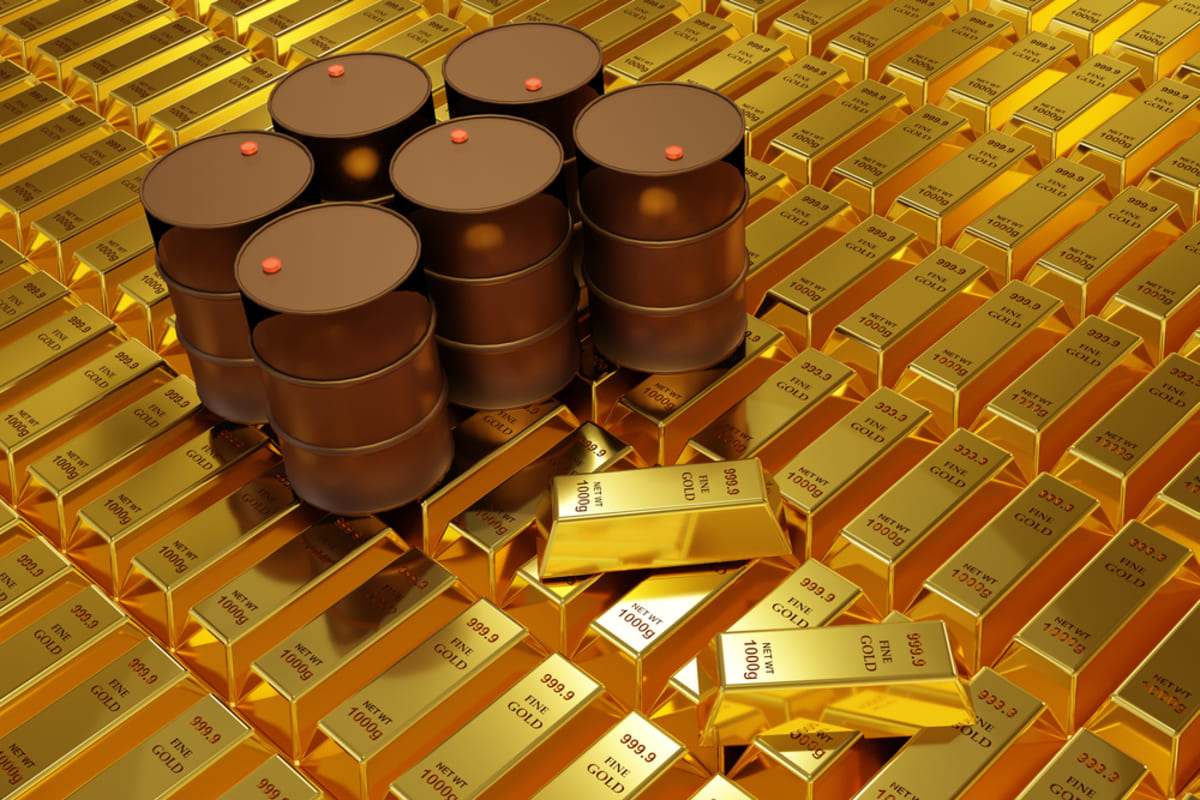
Gold prices fell on Wednesday after climbing more than 2 percent in the previous session, as rising oil prices fueled inflation concerns and uncertainty over the U.S. interest-rate outlook, weighing on non-yielding bullion.
Spot gold was down 0.8 percent at $4,030.45 per ounce as of 9:00 UAE time. U.S. gold futures for August delivery eased 0.78 percent to $4,038.02.
The reversal followed a powerful rebound on Tuesday, when gold jumped more than 2 percent to as high as $4,100.49 per ounce after recovering from a two-week low. The rally came after data showed U.S. consumer inflation slowed by more than expected in June as energy prices retreated.
Official figures from the U.S. Bureau of Labor Statistics showed that the Consumer Price Index fell 0.4 percent in June, while the energy index declined 5.7 percent, its largest monthly decrease since April 2020. Gasoline prices dropped 9.7 percent, while the index excluding food and energy was unchanged.
Those figures initially offered gold a supportive combination of softer inflation and reduced expectations of aggressive monetary tightening. Yet the relief proved short-lived as renewed geopolitical tensions pushed crude prices higher and complicated the inflation outlook once again.
Gold rates in the UAE recorded a decline across all major purities compared to the previous day. Twenty-four-carat gold decreased by AED1.00 to AED488.50 per gram, while 22-carat gold fell by AED0.75 to reach AED452.25. Similarly, 21-carat gold dropped by AED0.75 to AED433.75, 18-carat gold saw a reduction of AED0.75 to AED371.75, and 14-carat gold decreased by AED0.50 to AED290.00.
Gold’s traditional role as a refuge during periods of geopolitical instability is facing a familiar complication. The same Middle East tensions that might ordinarily support safe-haven demand are driving oil prices higher, reviving inflation concerns and strengthening the case for U.S. interest rates to remain elevated.
Fed outlook shifts
The tension between inflation protection and interest-rate pressure is now shaping gold’s near-term direction. Investors are attempting to determine whether easing consumer prices represent the beginning of a sustained improvement or merely temporary relief before higher energy costs feed back into the economy.
Top Federal Reserve officials welcomed the cooler inflation figures for June but said they would need to see more such readings before feeling confident that price pressures were genuinely easing. Their caution suggests that one favorable report may not be enough to change the broader direction of monetary policy.
The Producer Price Index, due later in the day, is expected to offer further insight into inflation. The report will be watched for evidence of whether price pressures are also easing at the producer level or whether higher input costs remain embedded within the economy.
Traders now see about a 58 percent chance of an interest-rate increase at the Federal Reserve’s September meeting, down from 76 percent before the inflation report. Markets are still pricing in about an 80 percent probability of a December increase, according to the CME FedWatch Tool.
The shift shows that softer inflation has reduced expectations of an immediate rate increase without eliminating the prospect of further monetary tightening later in the year. For gold, this leaves the outlook finely balanced between geopolitical support, inflation-hedge demand and the pressure created by elevated interest rates.
The metal’s ability to remain above the psychologically important $4,000 level may now depend on which of those forces gains control.
Precious metals diverge
Elsewhere in the precious metals market, spot silver lost 0.71 percent to $58.35 per ounce. Platinum gained 0.24 percent to $1,643.90, while palladium edged 0.08 percent higher to $1,286.00.
The mixed performance across precious metals reflects their different market drivers. Gold is particularly sensitive to U.S. interest-rate expectations, bond yields and safe-haven demand, while silver, platinum and palladium are also influenced by their industrial applications and the outlook for global manufacturing.
For gold investors, Wednesday’s decline demonstrates how quickly the market narrative can change. Softer inflation initially sent bullion above $4,100, but rising oil prices soon shifted attention back toward the possibility of renewed price pressures and tighter monetary policy.
This does not necessarily undermine gold’s longer-term defensive appeal. Instead, it reveals the competing forces currently influencing the metal. Geopolitical instability creates demand for protection, while the inflationary consequences of that same instability can increase the opportunity cost of holding bullion.
The resulting tension leaves gold caught between two versions of risk. A widening regional conflict may encourage safe-haven buying, but an extended oil rally could strengthen expectations that the Federal Reserve will keep rates higher for longer or raise them further.
That makes incoming inflation data particularly important. The Producer Price Index and future consumer inflation readings will help determine whether June’s slowdown marked a durable turning point or a temporary pause.
Until that picture becomes clearer, gold prices are likely to remain sensitive not only to developments in the Middle East, but also to every shift in oil, inflation expectations and Federal Reserve policy. The metal may still offer protection from uncertainty, but the path higher is unlikely to be straightforward.
Related Articles

Saudi Arabia champions global partnerships to powe...
21 Oct, 2025 06:51
Can Turkey Become a Rare Earth Element Power?...
23 Oct, 2025 13:24
Orion Minerals Set to Develop Secure, Responsible,...
23 Oct, 2025 14:12
Investing in Platinum Stocks...
24 Oct, 2025 06:56
Copper And Aluminum Prices Climb As Supply Worries...
24 Oct, 2025 07:09
Dubai 24-carat gold prices dip AED3.75 as global r...
24 Oct, 2025 12:06
Bauxite sales up but tariffs on Chinese metal ship...
27 Oct, 2025 13:15
Angola bids for majority stake in De Beers, source...
28 Oct, 2025 07:02
Dubai 24-carat gold price today drops AED479; glob...
28 Oct, 2025 08:15