Logistic Other

Ethiopia advances digital trade integration reforms



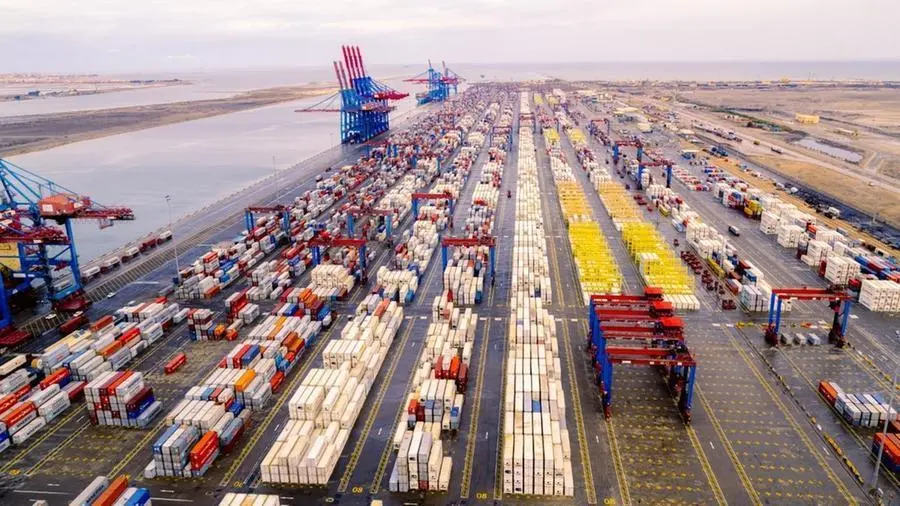
Ethiopia is advancing a comprehensive reform agenda aimed at strengthening digital trade systems and improving cross-border efficiency. The initiative reflects a broader strategy to position the country as a more competitive trade hub within East Africa. Authorities are prioritising automation, data integration, and streamlined procedures to support faster goods movement and reduced transaction costs.
According to the Ethiopian News Agency, the reforms focus on enhancing coordination among border agencies while integrating digital platforms across customs operations. This approach is expected to improve transparency and facilitate compliance for businesses engaged in international trade.
Digital systems drive efficiency gains
The adoption of digital platforms is central to Ethiopia’s trade modernisation efforts. Authorities are implementing electronic documentation and automated clearance systems to reduce processing times. As a result, traders are likely to experience fewer delays at border points, which can support increased trade volumes over time.
In addition, collaboration with development partners such as the World Bank and the African Development Bank is supporting technical upgrades and capacity building. These partnerships are helping align Ethiopia’s systems with international standards, strengthening its integration into global value chains.
Regional connectivity and trade outlook
Ethiopia’s digital trade integration reforms are also closely linked to regional economic frameworks. As a member of the COMESA, the country is working to harmonise procedures with neighbouring markets. This alignment is expected to improve trade flows across Eastern and Southern Africa, supporting regional economic growth.
Moreover, enhanced logistics systems can facilitate stronger links with partners in Asia, where demand for African goods continues to expand. Improved digital infrastructure is likely to attract investment in trade-related sectors, including logistics, manufacturing, and export services.
Looking ahead, Ethiopia’s continued investment in digital trade systems may contribute to a more resilient and diversified economy. While implementation remains ongoing, early indicators suggest that efficiency gains and improved regulatory coordination could strengthen the country’s position in regional and global trade networks.
Related Articles
South African table grape industry and Transnova A...
22 Oct, 2025 08:25
Spiro Raises US$100 Million in Africa’s Largest-Ev...
22 Oct, 2025 09:33
NXN and SAEED unite within Sharjah’s logistics sec...
24 Oct, 2025 07:48
TAHA Unveils HortiMarket A Digital Platform Revolu...
24 Oct, 2025 08:21
Chinese technology takes center stage at Ghana's t...
27 Oct, 2025 09:17
Kenya Airways flies first African route, from Nair...
27 Oct, 2025 09:23
Madbouly inaugurates $85mln DP World's logistics p...
27 Oct, 2025 12:56
Airbus cargo outlook shows 3.3% annual growth and ...
28 Oct, 2025 08:21
Nominations now open for the Logistics Saudi Award...
28 Oct, 2025 08:27