Energy Other

Demand for oil severely outstrips supply, IEA warns


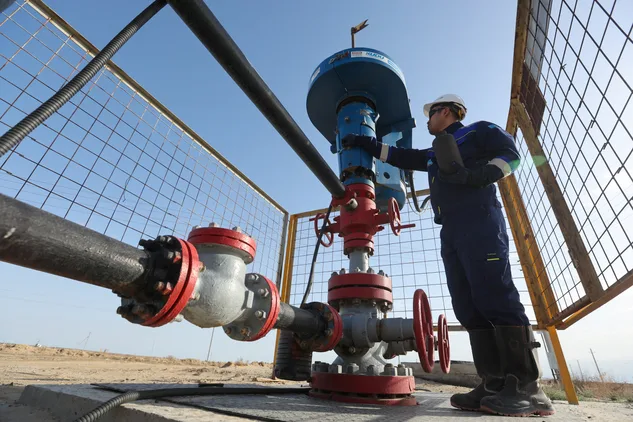
Demand will outstrip oil supply for much of this year and crude prices could spike further as the US-Israeli war with Iran continues to disrupt exports in the Gulf, the International Energy Agency (IEA) has warned.
The Paris-based group said the market would remain “severely undersupplied” until about October even if the conflict begins easing within weeks.
The world could still be short by 1.8 million barrels per day throughout the year, it estimated, a reversal from forecasts at the start of 2026 that there would be a surplus of 2.5 million bpd.
The shortfall has been triggered by the effective closure of the Strait of Hormuz through which a fifth of global oil supplies usually travelled before the war.
When oil supply falls below demand for a prolonged period, the gap is typically filled by drawing down inventories. The IEA said global oil stockpiles fell by 246 million barrels in March and April alone as countries, refiners and traders used stored crude and fuel to keep supplies flowing.
One billion barrels of oil have been lost since the start of the war on February 28, the IEA said, confirming estimates by the bosses of Shell and Saudi Aramco. This is oil that has not been produced or is floating in tankers that have not been able to pass through the strait.
“With Hormuz tanker traffic still restricted, cumulative supply losses from Middle East Gulf producers already exceed 1 billion barrels with more than 14 million barrels per day of oil now shut in, an unprecedented supply shock,” the IEA said in its monthly oil market report.
Separate analysis published by Kpler on Wednesday warned that “available capacity is running out rapidly” in parts of the market, particularly for floating storage.
The latest figures from the IEA, published in its monthly oil report, will raise further fears of slower global economic growth, persistent inflation and further pressure on consumers worldwide.
The global benchmark Brent crude was trading at around $72 a barrel before the conflict, but rose to highs of $126 in April.
A separate monthly report released by the Organization of the Petroleum Exporting Countries (Opec) said Brent crude averaged $102 in April. It is currently worth around $106 a barrel.
Tamas Varga, analyst at PVM Oil Associates, part of the TP ICAP group, said higher prices also reduced the likelihood of central banks cutting interest rates quickly.
“Central banks are in no position to cut rates; some have even increased them, which will have a tangible adverse impact on consumer spending, with all the negative consequences for oil demand,” he said.
High oil prices increase transport and manufacturing costs across the economy, pushing up inflation and raising the price of everything from flights and food deliveries to plastics and household goods.
Asian countries have borne the brunt of the oil crisis so far, as refineries in the region are usually supplied with crude from the Gulf.
But it is filtering through to countries including the US, where official statistics this week showed inflation had risen by 3.8 percent, driven higher by increased gasoline and diesel costs.
Analysts have debated whether the crisis will trigger “demand destruction” – a longer-term decrease on oil dependency rather than a temporary blip.
“It is much harder to quantify oil demand loss than supply destruction; only time will tell who is right,” Varga said.
“The undeniable fact, nonetheless, is that the longer oil prices remain comparatively expensive, the bigger loss oil demand will be forced to take – after all, the most effective cure for high oil prices is high oil prices.”
The chief financial officer of Adnoc Drilling said this week that the crisis was a call to “double down” on production.
Youssef Salem said the company was accelerating the expansion of its Gulf fleet and called for global investment in oil and gas sites. It has accelerated rig deliveries in the UAE, Oman and Kuwait since the UAE left Opec on May 1.
The UAE’s exit will allow the country to increase its energy production now it is outside the group’s quota system.
Related Articles
Kuwaiti oilfield comes onstream officially after 1...
22 Sep, 2025 12:56
African Energy Week (AEW) 2025: Unlocking the Pote...
22 Sep, 2025 13:22
South Africa warns illegal car imports threaten ne...
23 Sep, 2025 06:31
South Africa Confronts EU Carbon Border Mechanism...
23 Sep, 2025 12:33
South Africa, China Deepen Investment Ties in Key ...
24 Sep, 2025 07:35
Raysut Cement’s Expansion into Libya and North Afr...
24 Sep, 2025 07:40
Nextchem opens regional office in Abu Dhabi...
24 Sep, 2025 08:10
Ghanaian students win top honours in IAEA’s Female...
24 Sep, 2025 09:32
Key Sectors Linking Mauritania and Gambia...
24 Sep, 2025 09:40